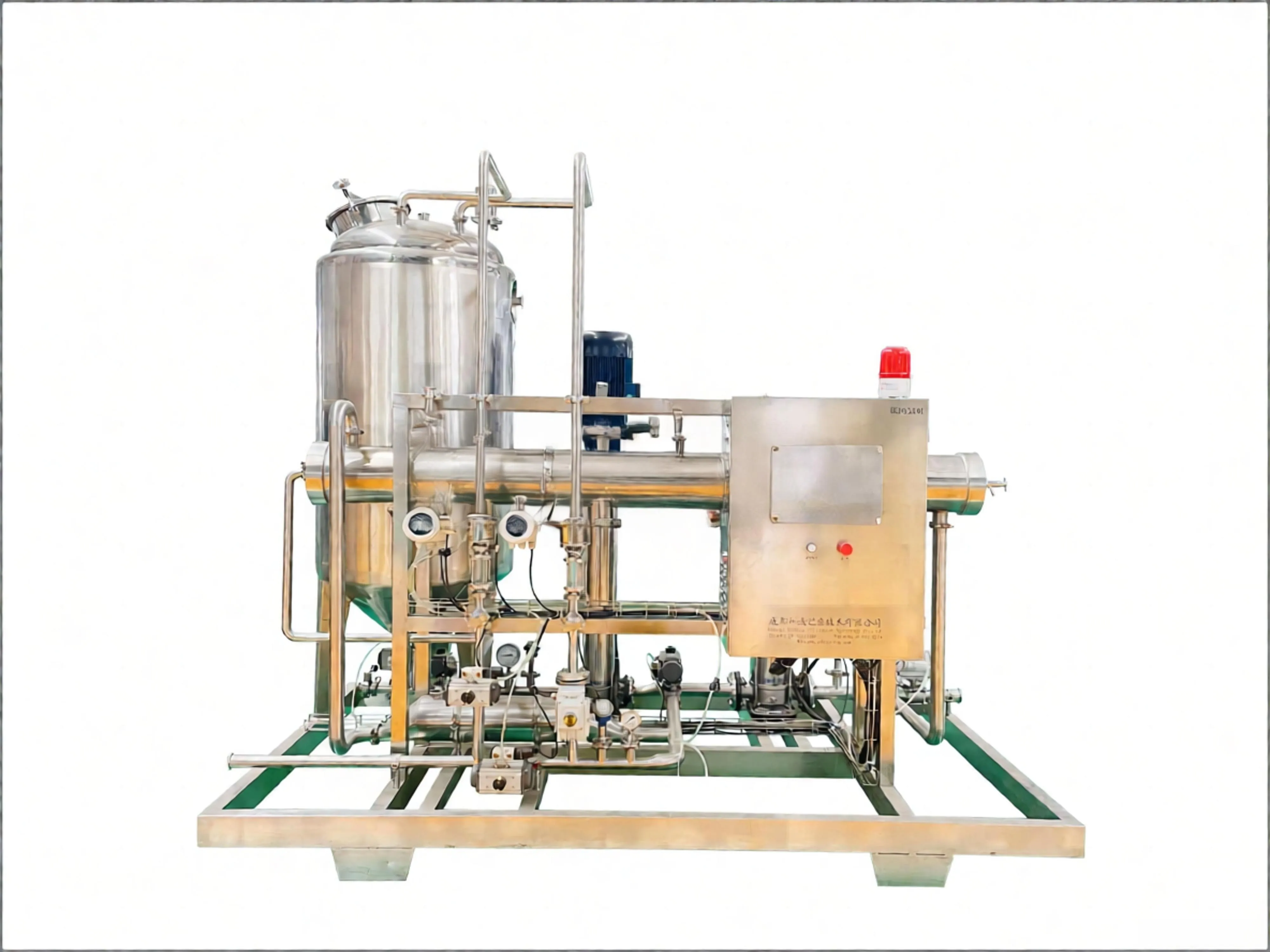
Ultrafiltration Membrane Purification & Concentration System for Icodextrin Production
Background Introduction Icodextrin is a water-soluble branched glucose polymer derived from starch, linked by α-(1→4) glycosidic bonds and less than 10% α-(1→6) glycosidic bonds, classifying it as a dextrin. Its w
more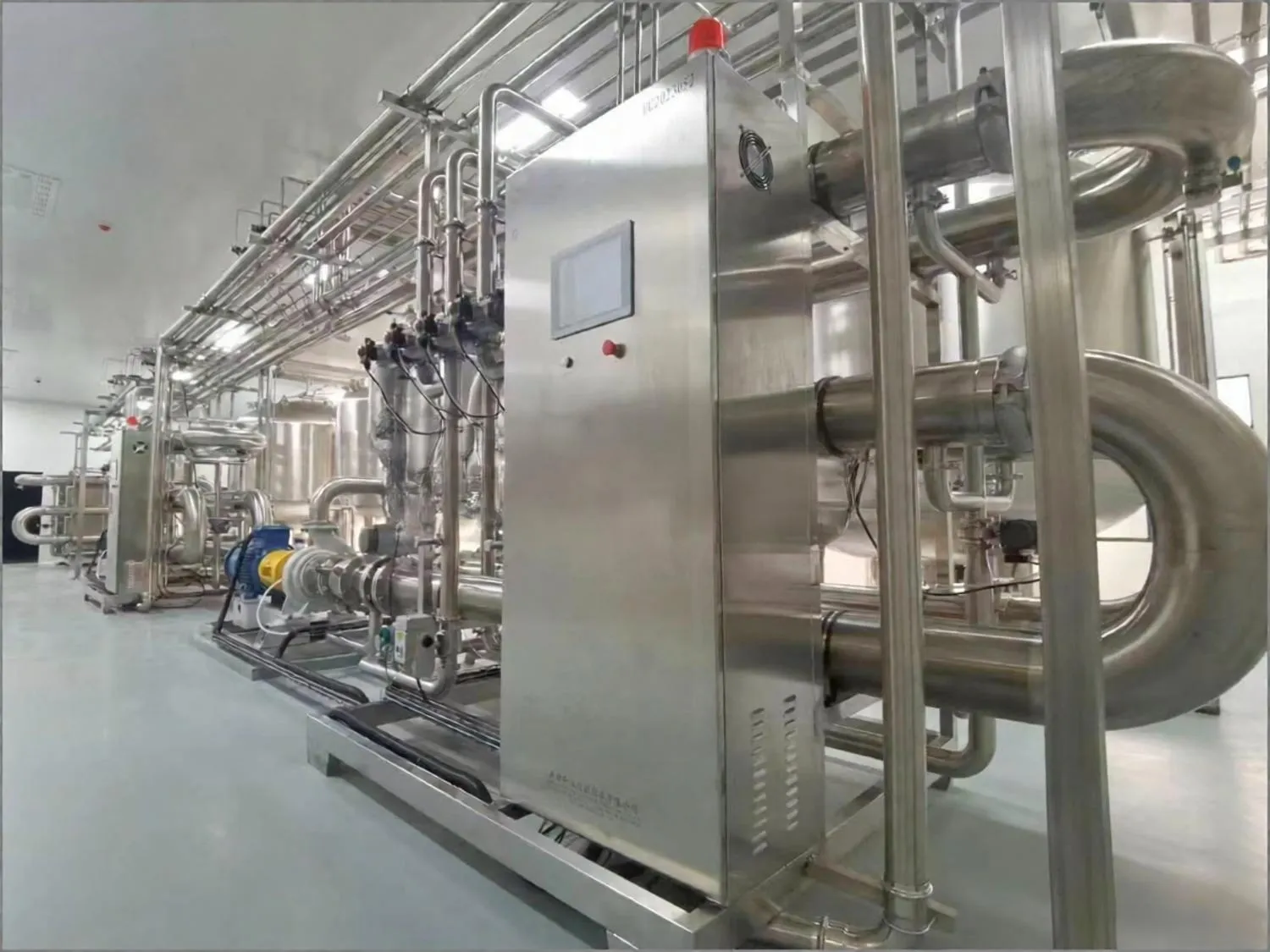
Membrane Filtration in Cheese Production: Applications, Benefits, and Practical Considerations
Membrane filtration has been a fixture in dairy processing for close to five decades. What started as a lab-scale curiosity is now standard equipment in cheese plants around the world. The basic idea is simple: push milk through a semi-permeable membrane, and different-sized molecules get held back or pass through.
more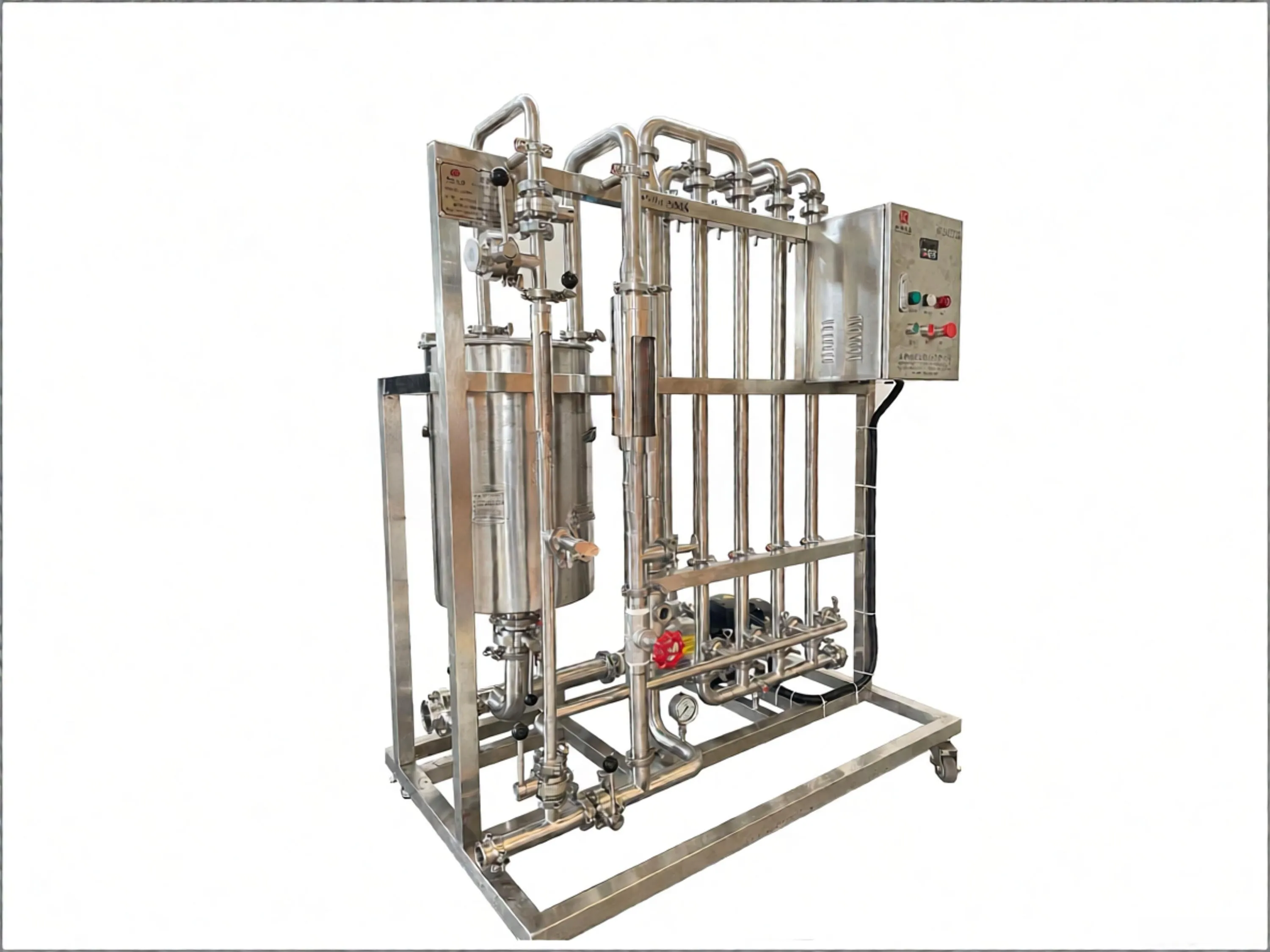
Ceramic & Special Membrane System for Homogeneous Catalyst Recovery
Background Introduction Homogeneous catalysis refers to catalytic reactions where catalysts and reactants exist in the same phase without phase boundaries. Catalysts that perform homogeneous catalysis are defined as homogeneous catalysts.
more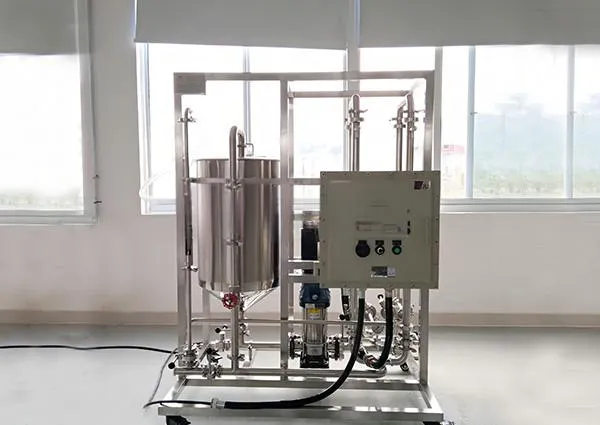
Inorganic Ceramic Membrane System for Nano Powder Washing & Purification
In the wet chemical production of nano ultrafine powder, multiple anionic and cationic impurity ions remain after synthetic chemical reactions. Residual impurities will degrade the performance of nano ultrafine powder without thorough cleaning.
more
Cross-flow Membrane Concentration System for Nano Silica Sol Solution
Background Introduction Silica solution, also known as silica sol, is an odorless and non-toxic colloidal solution. It is a dispersion of nano-scale silicon dioxide particles in water or organic solvents, featuring large specific surface area and strong adsorption capacity.
more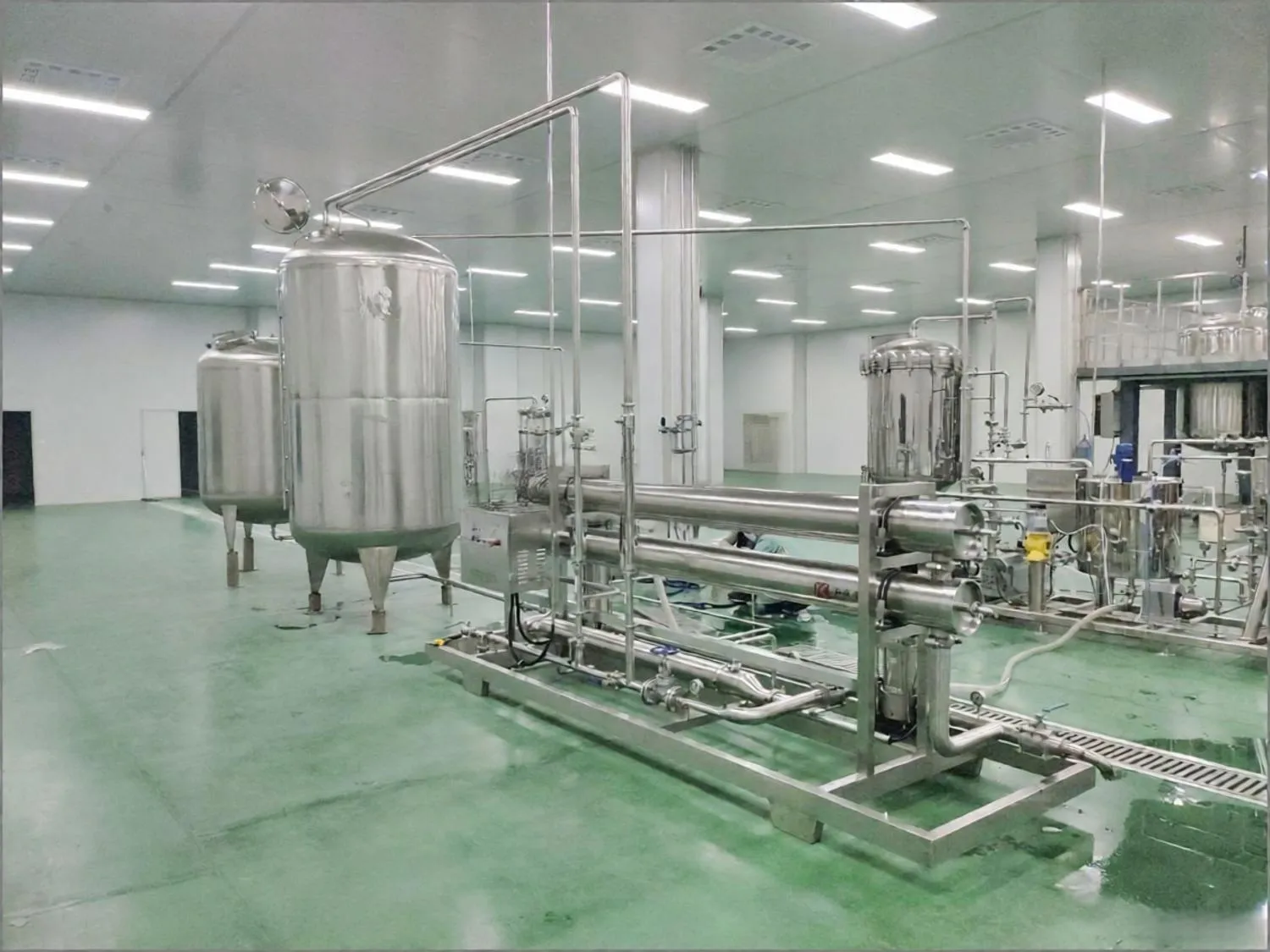
Membrane Separation & Concentration System for Enzymatic Gelatin Production
Background Introduction Gelatin is water-soluble protein derived from partial hydrolysis of animal collagen. Widely used as thickener, stabilizer and other additives, its molecular weight ranges from tens of thousands to over one hundred thousand Daltons.
more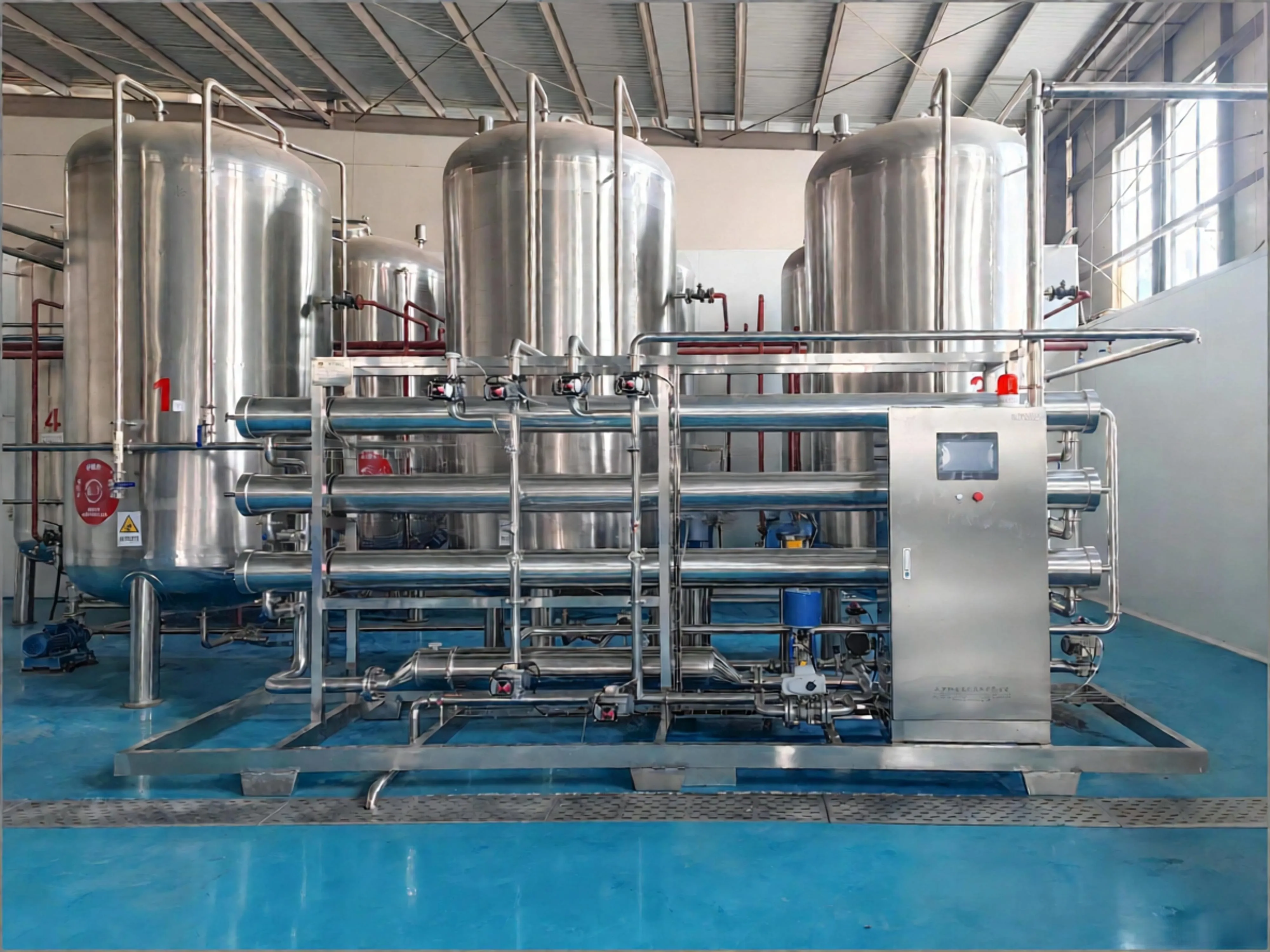
Ultrafiltration & Nanofiltration Membrane System for Peptide Extraction Desalination Purification
Background Introduction Peptides are compounds formed by linking α-amino acids via peptide bonds, serving as intermediate products of protein hydrolysis. Peptides generally contain 2 to 9 amino acid residues and are classified according to the number of amino acids: dipeptides, tripeptides, tetrapeptides, pentapeptides, etc.
more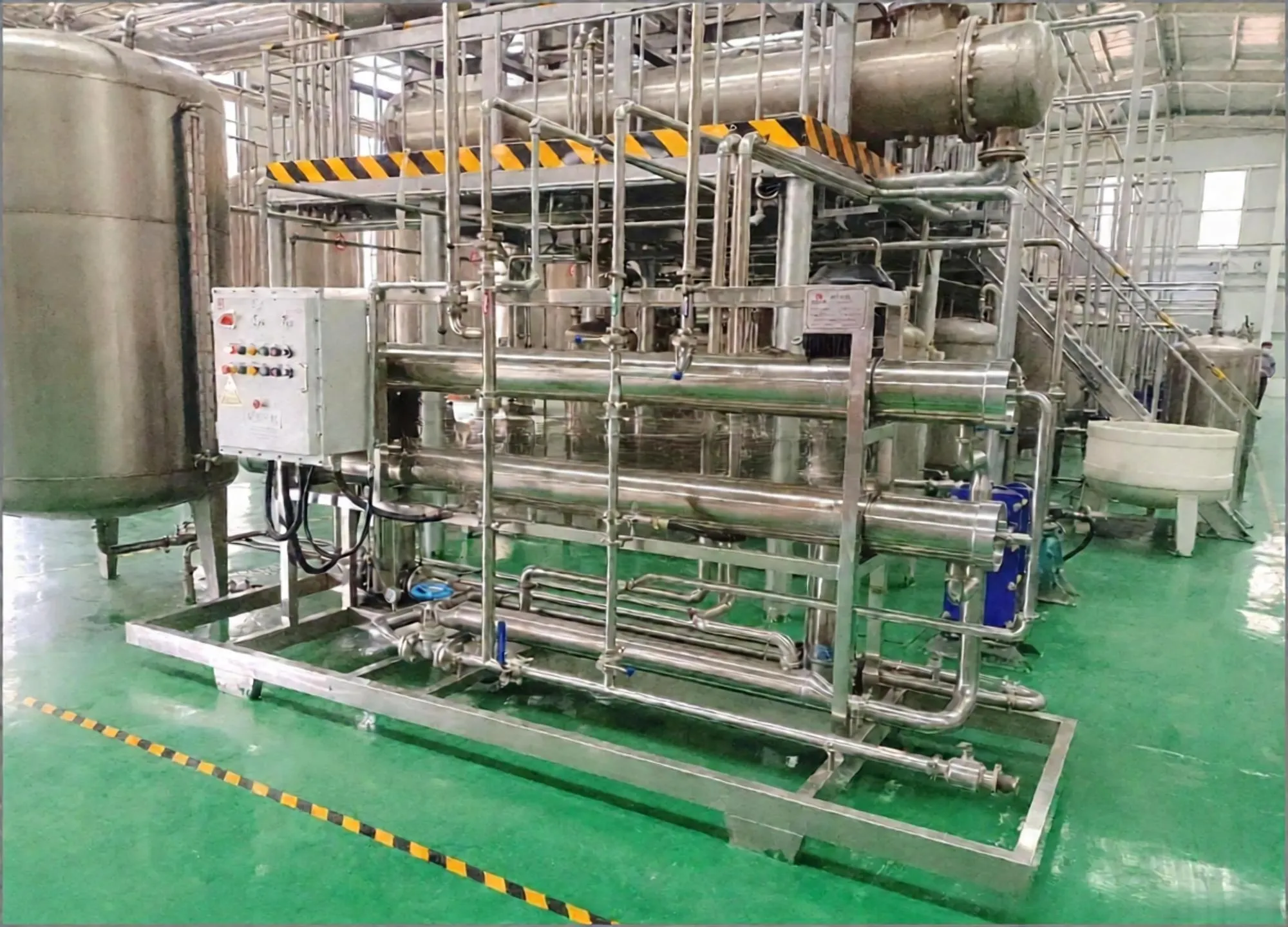
Membrane Concentration Technology for Spray-Dried Plasma Protein Powder Feed
Background Introduction Plasma protein powder is mainly applied in the feed industry and produced by plasma drying. Chemically, plasma contains 90~92% water, and the remaining 10% is dominated by solute plasma proteins, together with salts, nutrients, enzymes, hormones, cholesterol and other vital components.
more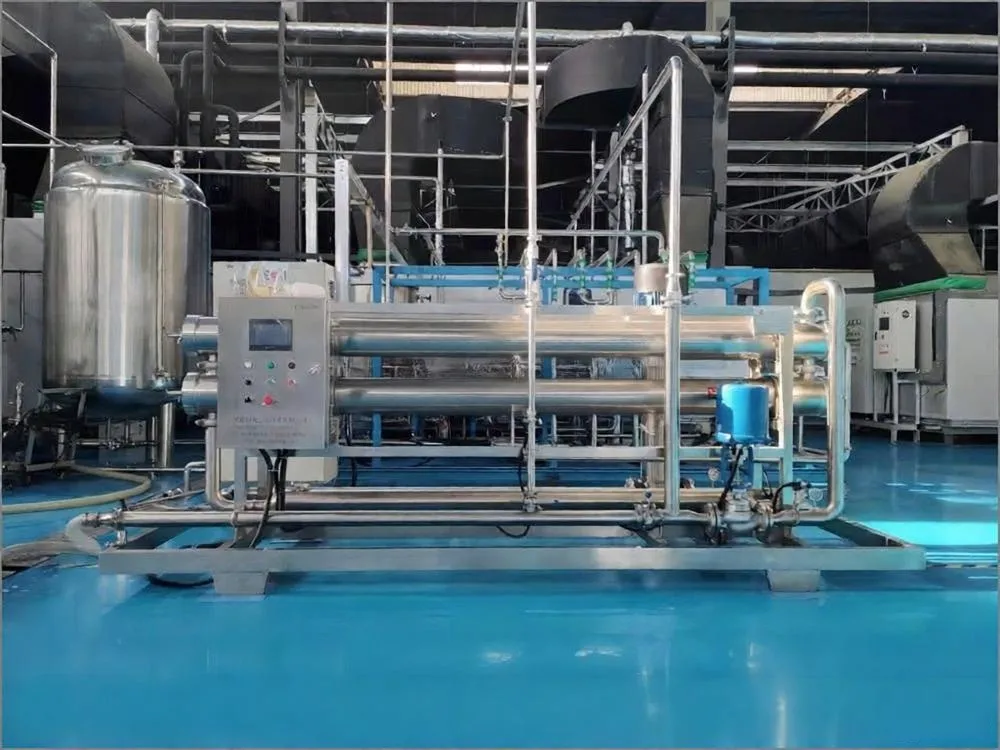
Ultrafiltration Membrane Technology for Heparin Sodium Extraction & Purification
Background Introduction Heparin sodium is the sodium salt of sulfated glycosaminoglycan extracted from porcine or bovine intestinal mucosa, belonging to glycosaminoglycans. It can prolong blood clotting time.
more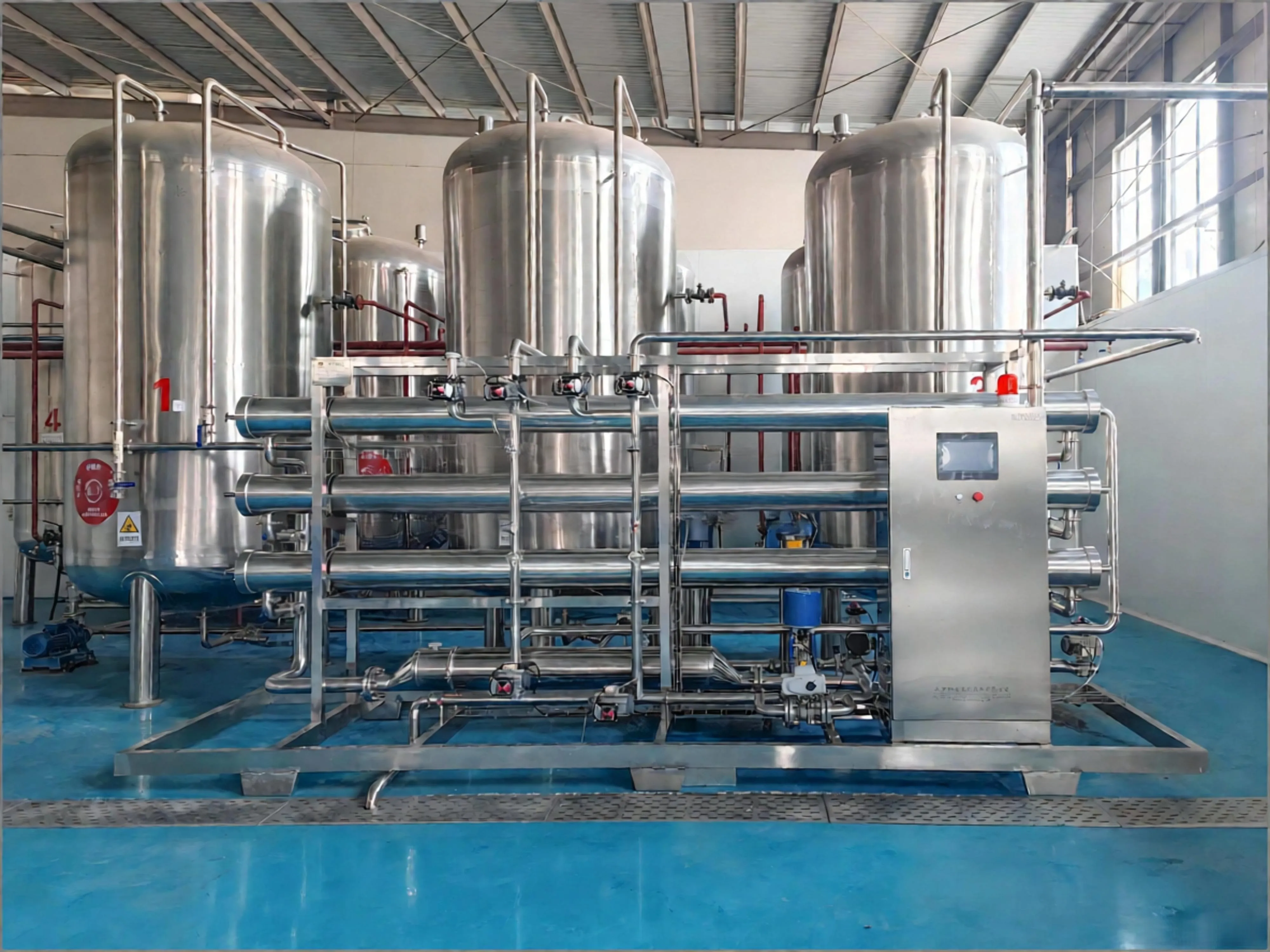
Membrane Separation Technology for Fish Collagen Extraction & Purification
Background Introduction Collagen is an extracellular protein, a fibrous protein twisted into a spiral structure by three peptide chains. As the most abundant protein in the human body, collagen accounts for more than 30% of the total body protein.
more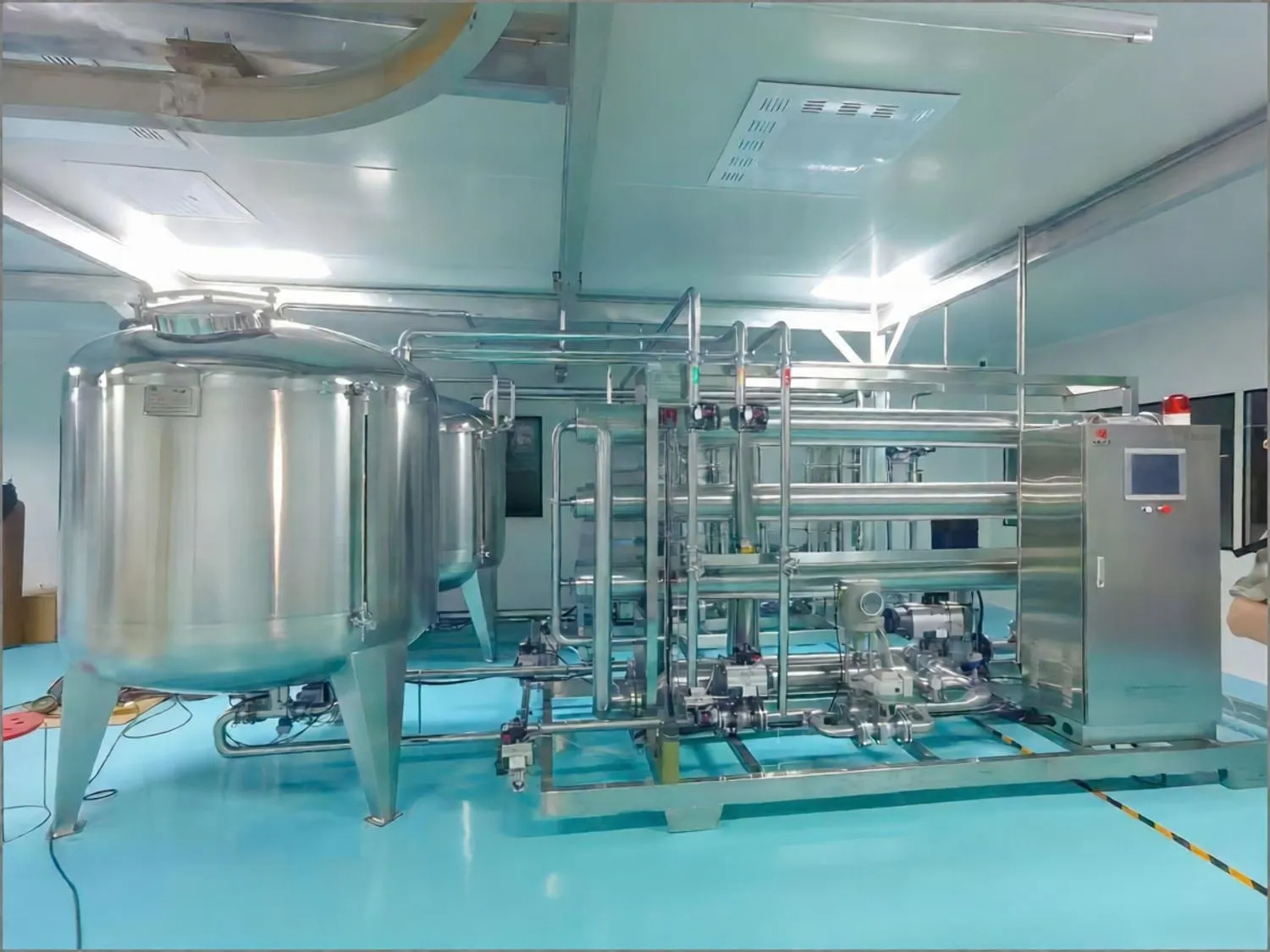
Nanofiltration Membrane Concentration Technology for Skim Milk Production
Background Introduction Studies have found that milk contains at least more than 100 chemical components, mainly including water, protein, lactose, vitamins and other substances. Skim milk is produced by removing part of the fat from regular milk, lowering the fat content to less than 0.
more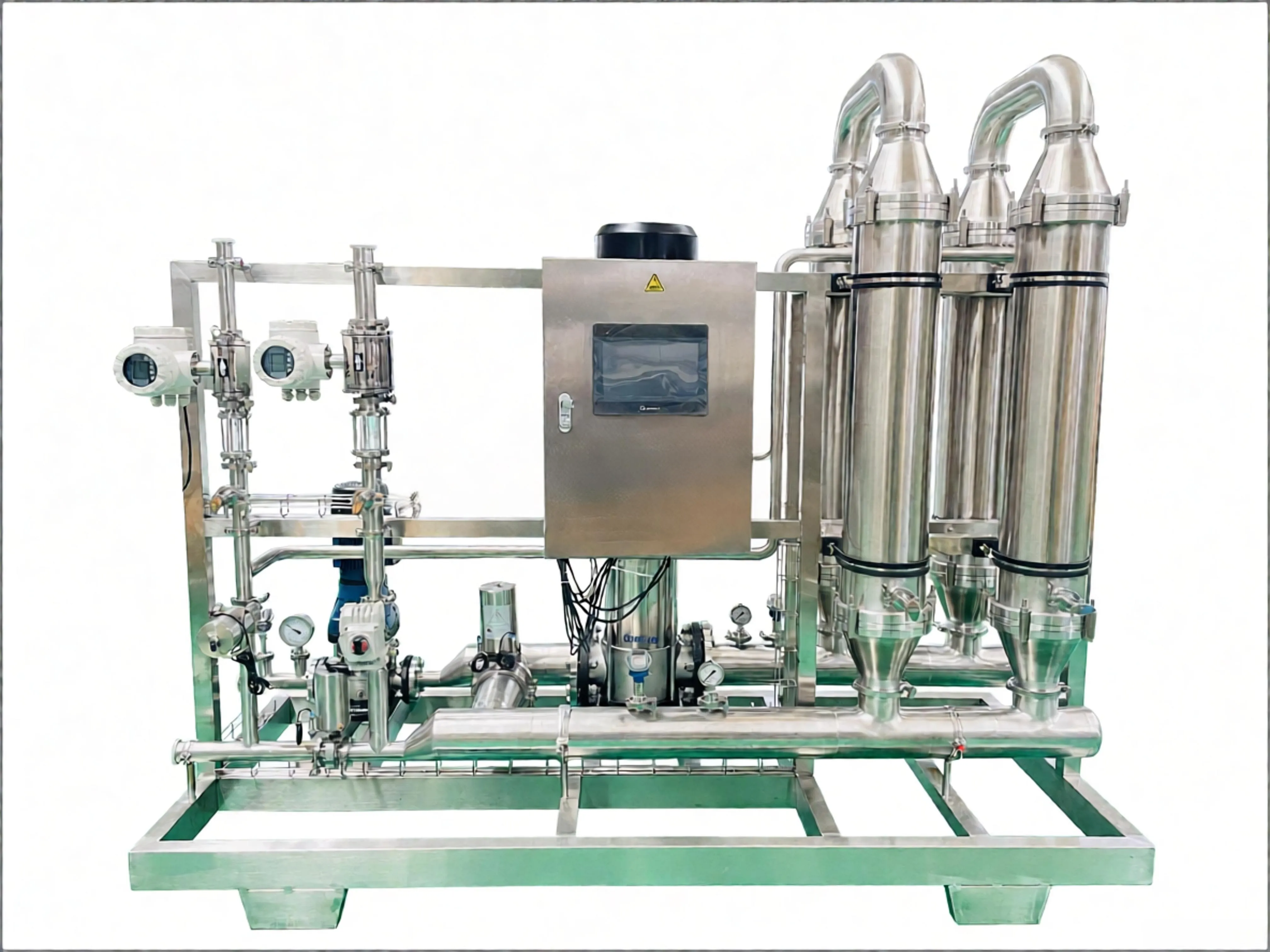
Microfiltration Membrane Separation Technology for Fresh Pasteurized Milk Production
Background Introduction Liquid milk sold on the market is mainly divided into two categories: ultra-high temperature long-life milk and low-temperature fresh milk (also known as raw fresh milk). Long-life milk generally has a long shelf life, while fresh milk has a short shelf life.
more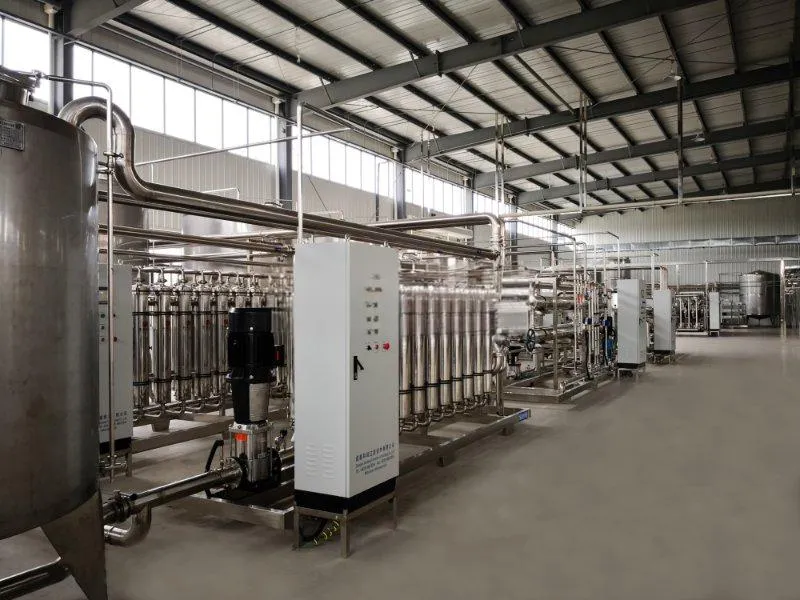
Plant Extract Ceramic Membrane Filtration & Ambient Nanofiltration Concentration System
During plant extraction, numerous impurities including plant protein, vegetable colloids, tannins, starch, fibrous residues, microbial biomass, saccharides and mineral salts leach out together with the extracting solution.
more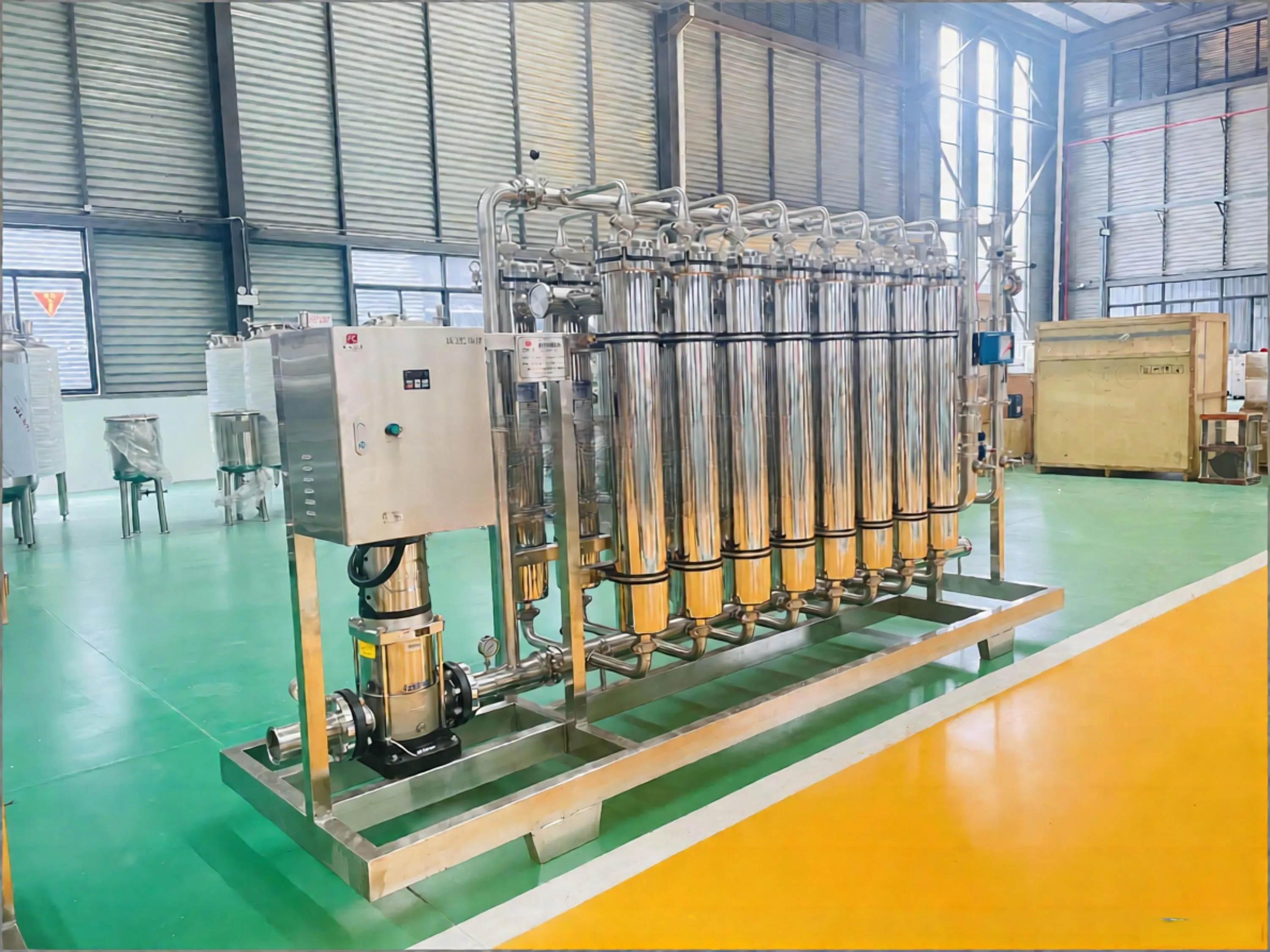
High Fructose Corn Syrup Ceramic Membrane Separation & Purification Equipment
Background Introduction High fructose corn syrup (HFCS) is a starch sweetener produced by hydrolysis and isomerization of plant starch, mainly composed of fructose and glucose. Enzymatic conversion technology is widely adopted in glucose production.
more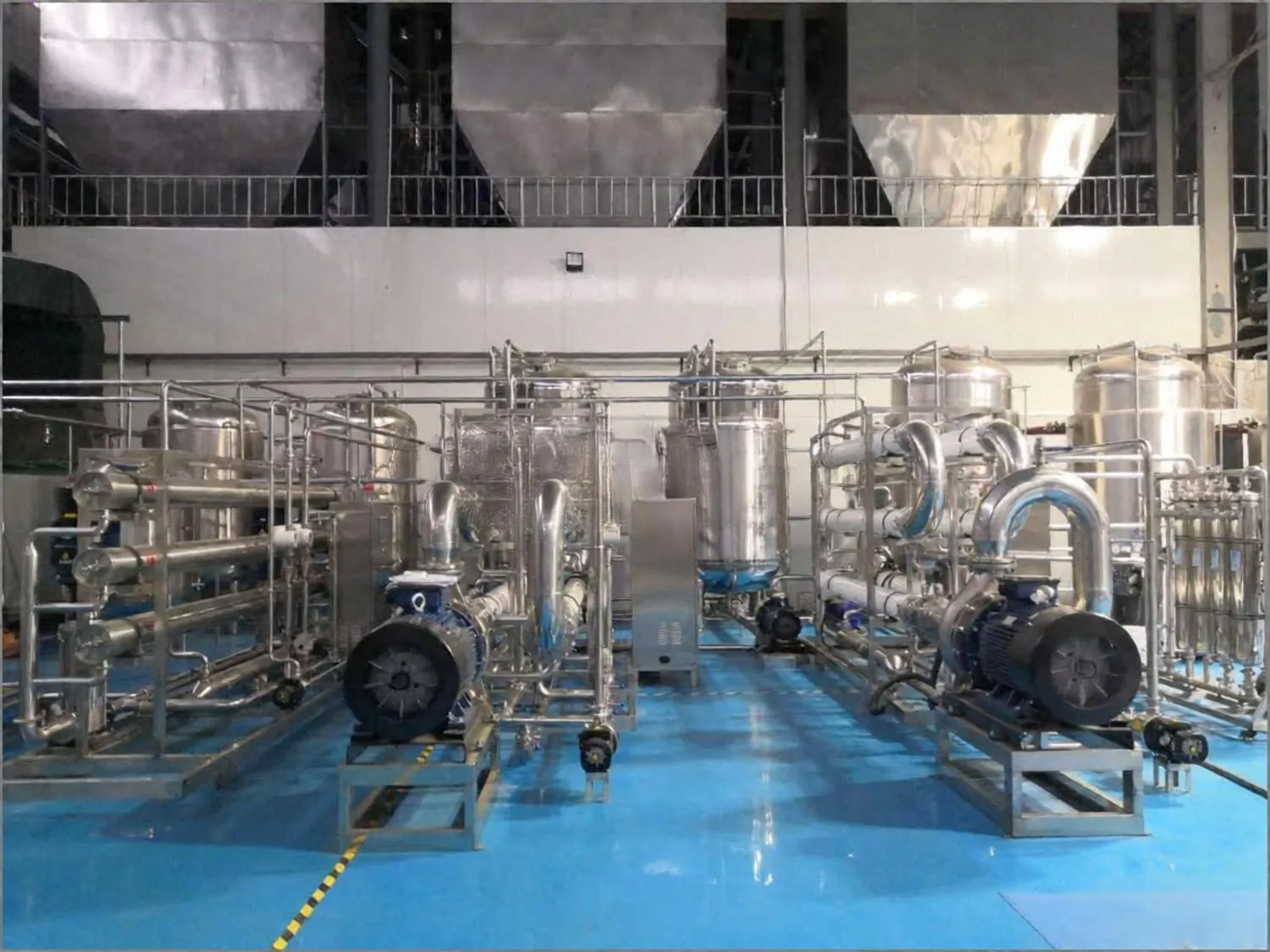
Isolated Soy Protein Ultrafiltration Membrane Separation & Low-Temperature Concentration Equipment
Background Introduction Soy protein refers to the protein contained in soybean products, with a content of more than 38%, which is 4 to 5 times that of cereal foods. As a type of plant-based protein, soy protein has an amino acid composition similar to milk protein.
more