Membrane Filtration in Cheese Production: Applications, Benefits, and Practical Considerations
Membrane filtration has been a fixture in dairy processing for close to five decades. What started as a lab-scale curiosity is now standard equipment in cheese plants around the world. The basic idea is simple: push milk through a semi-permeable membrane, and different-sized molecules get held back or pass through. The pore size determines what stays and what goes—microfiltration membranes catch bacteria and fat globules, ultrafiltration holds onto proteins, and reverse osmosis stops just about everything except water.
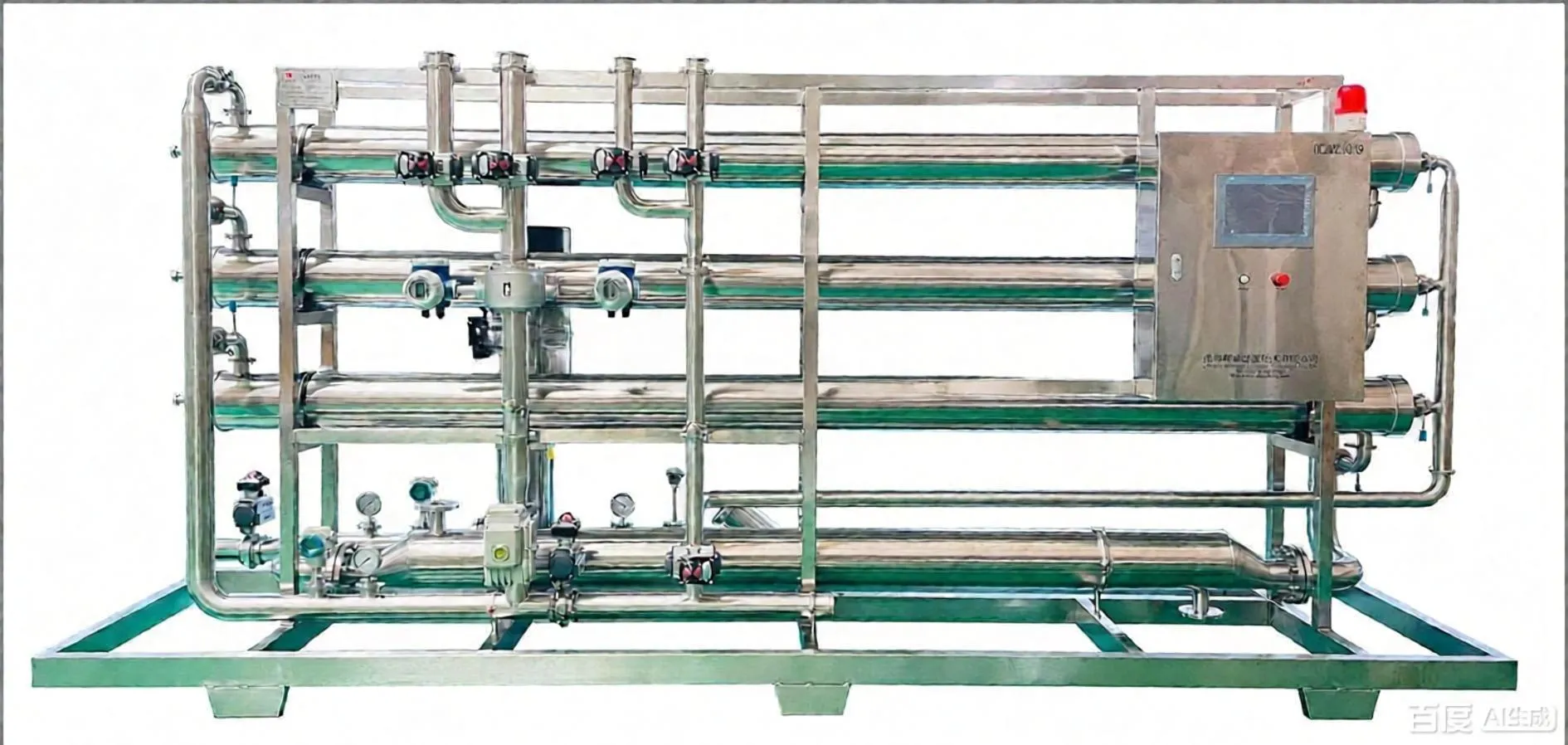
But the real story is in how cheese makers actually use this stuff day in and day out.
Protein Standardization: The Workhorse Application
This is where membrane filtration earns its keep. Milk protein content fluctuates with the seasons, what the cows ate, and a dozen other variables. One day you've got 3.2% protein, the next it's 3.5%. That kind of inconsistency drives cheese makers crazy because it throws off yield and quality.
Ultrafiltration (UF) is widely used to bump up total protein content at low concentration factors—typically less than 2×—which means more cheese per vat and a more predictable coagulation process. Microfiltration (MF) has gained ground more recently for standardizing casein specifically, the protein that actually forms the curd structure. Casein is what matters for cheese texture and yield, and MF lets you dial it in with precision.
There's a practical trade-off between the two. A 0.1-µm MF spiral-wound membrane holds onto less serum protein than a 10 kDa UF membrane, but it's more permeable—less hydraulic resistance, lower energy consumption. One study found that MF membranes delivered higher vat yield and better protein and fat recovery. But in places where electricity is cheap, UF still comes out ahead on the bottom line. The choice isn't about which technology is "better"—it's about what makes economic sense for your specific plant.
Milk protein standardization to around 4.5% provides an effective way to get more consistent cheese manufacture. You're not chasing the raw milk anymore; you're working with a predictable feedstock.
Making Specific Cheese Types
Some cheeses are practically built around membrane filtration.
White cheese has been made with ultrafiltration since the early 1970s. The milk gets fully concentrated by UF, then culture, rennet, salt, and other additives go straight into the retentate. The finished product comes out uniform and high-yielding, and you can run multiple product recipes on the same UF unit.
Cream cheese is another one. Fresh standardized milk gets fermented, then concentrated by UF to hit the right composition. The beauty of UF here is that it preserves the fat-to-protein ratio while taking out only water, minerals, and lactose. That's how you get that smooth, spreadable texture. UF units can handle everything from low-fat to full-fat recipes on the same equipment.
Micellar casein concentrates (MCC) are a newer development. Microfiltration can pull casein out of skim milk in its native, non-denatured form. These ingredients offer unique functional properties and can be used to fortify cheese milk for specific applications. For US cheese makers, MCC standardization could be a real opportunity to improve yields and throughput.
Brine Purification: Keeping the Salt Bath Clean
Cheese brine—the salty water cheeses soak in during aging—gets nasty over time. Bacteria, yeast, and mold build up, and they can migrate onto the cheese surface, messing with flavor, texture, and appearance.
The old ways of dealing with dirty brine were heat treatment, diatomaceous earth filtration, or dumping in preservatives. None of them are great. Heat changes the brine chemistry. Filter aids leave waste. Preservatives are increasingly unpopular with consumers.
Microfiltration handles it differently. It physically removes microorganisms without altering the brine's chemical composition. Pall's Microflow XL-Brine systems, for example, use hollow fiber membranes and run fully automated, no filter aids required. GEA's COLDSAN® unit claims over 99% reduction in total bacteria count with minimum loss of water and salt.
The economics make sense too. Dumping brine is expensive, and in some places it's outright illegal because of the salt content. Purification and reuse cut operating costs and improve cheese quality at the same time.
Cold Sterilization: Removing Spores Without Heat
Traditional pasteurization kills most bacteria, but spores survive. Cheese makers used to add nitrate to keep those spores from germinating and producing gas. But consumers don't want "preservatives" on the label anymore, so the industry has been moving away from nitrate.
Microfiltration offers a physical alternative. Membranes with pore sizes around 1.4 µm achieve a pasteurization effect, while 0.2 µm membranes approach sterilization. The milk never gets heated beyond what's necessary for separation, so the flavor and nutritional profile stay intact. This "cold sterilization" approach extends shelf life without compromising quality.
The Four Membrane Technologies at a Glance
Each type of membrane has its own job:
- Microfiltration (MF) – pores 0.1–10 µm. Catches bacteria, spores, fat globules. Used for brine purification, cold sterilization, casein standardization.
- Ultrafiltration (UF) – pores 1–100 nm. Retains proteins and fats. The go-to for total protein standardization and making white cheese and cream cheese.
- Nanofiltration (NF) – pores around 1 nm. Holds onto divalent ions and some lactose. Used for whey demineralization and wastewater treatment.
- Reverse Osmosis (RO) – pores under 1 nm. Stops almost everything except water. Used for milk and whey concentration.
UF and MF get the most use in cheese making. RO and NF have their place, but they're more specialized. RO concentration of cheese milk runs into trouble because it concentrates lactose along with everything else, which can push cheese acidity too high.
What the Parameters Actually Do
You don't just flip a switch and walk away. Temperature, pH, and diafiltration conditions all change what comes out the other end.
Temperature affects flux—how fast the membrane processes milk. Higher temperatures generally mean faster processing, but you're also dealing with microbial growth risks and potential protein denaturation. For micellar casein concentration, temperatures around 45–50°C are common.
pH matters because it affects mineral solubility, particularly calcium. Adjusting pH changes how much calcium stays in the retentate, which in turn affects how the milk coagulates and what kind of curd you get.
Concentration factor is another big one. Milk is often concentrated up to about 1.5×, but push it much beyond that and you start running into manufacturing challenges and cheese quality issues. The curd gets different, the texture changes, and not always for the better.
What You Actually Get Out of It
Plants that run membrane filtration see real, measurable results:
- Higher yield. More solids in the vat means more cheese per batch. One study found a 3.3% increase in cheese yield and a 14.7% increase on a dry matter basis from UF.
- Consistent quality. Standardized milk means standardized cheese, batch after batch, year-round.
- Less waste. The permeate streams that used to go down the drain now get turned into whey protein powders and isolates, which have become a substantial revenue stream for cheese manufacturers.
- Product flexibility. One UF unit can run multiple recipes—white cheese, cream cheese, different fat levels—without swapping out equipment.
What It Can't Do
Membrane filtration isn't magic. Concentrate milk too much and the cheese comes out wrong—mineral imbalances, sandy texture, off flavors. RO and NF concentrates have particular problems with elevated mineral content that affects sensory quality.
The equipment is also expensive to buy and maintain. Membranes foul, need cleaning, and eventually wear out. Energy costs vary by region, and the economic case for one technology over another depends heavily on local electricity prices.
The Bottom Line
Membrane filtration has moved from optional to essential in modern cheese production. It's not about replacing traditional methods—it's about giving cheese makers control over variables they used to have to accept. Protein standardization evens out the seasonal swings. Brine purification keeps the salt bath clean without chemicals. Cold sterilization removes spores without heat.
The technology keeps evolving too. Suppliers are pushing for better membrane materials, longer service life, lower energy consumption, and improved CIP systems. The goal isn't just better cheese—it's more cheese, more consistently, with less waste and lower operating costs.
For a cheese maker, the question isn't whether to use membrane filtration. It's which membranes, at what concentration, and how to run them for the specific cheese you're making. There's no one-size-fits-all answer. But the plants that figure out the right setup for their operation tend to stay ahead of the ones that don't.