Membrane Concentration Technology for Spray-Dried Plasma Protein Powder Feed
Background Introduction
Plasma protein powder is mainly applied in the feed industry and produced by plasma drying. Chemically, plasma contains 90~92% water, and the remaining 10% is dominated by solute plasma proteins, together with salts, nutrients, enzymes, hormones, cholesterol and other vital components.
Plasma protein is the primary solid component of plasma with a concentration of 60~80g/L. Plasma proteins cover a wide range of types with diverse functions. The conventional production of plasma protein powder relies on centrifugal separation followed by spray drying, which is characterized by high energy consumption, low yield and heavy workload. All proteins in plasma have a molecular weight above 50,000 and exist in dissolved state, while other impurities generally weigh less than 500 Daltons. This property makes plasma suitable for membrane concentration, which removes water and low-molecular-weight inorganic impurities to lower production costs, boost production efficiency and upgrade product quality.
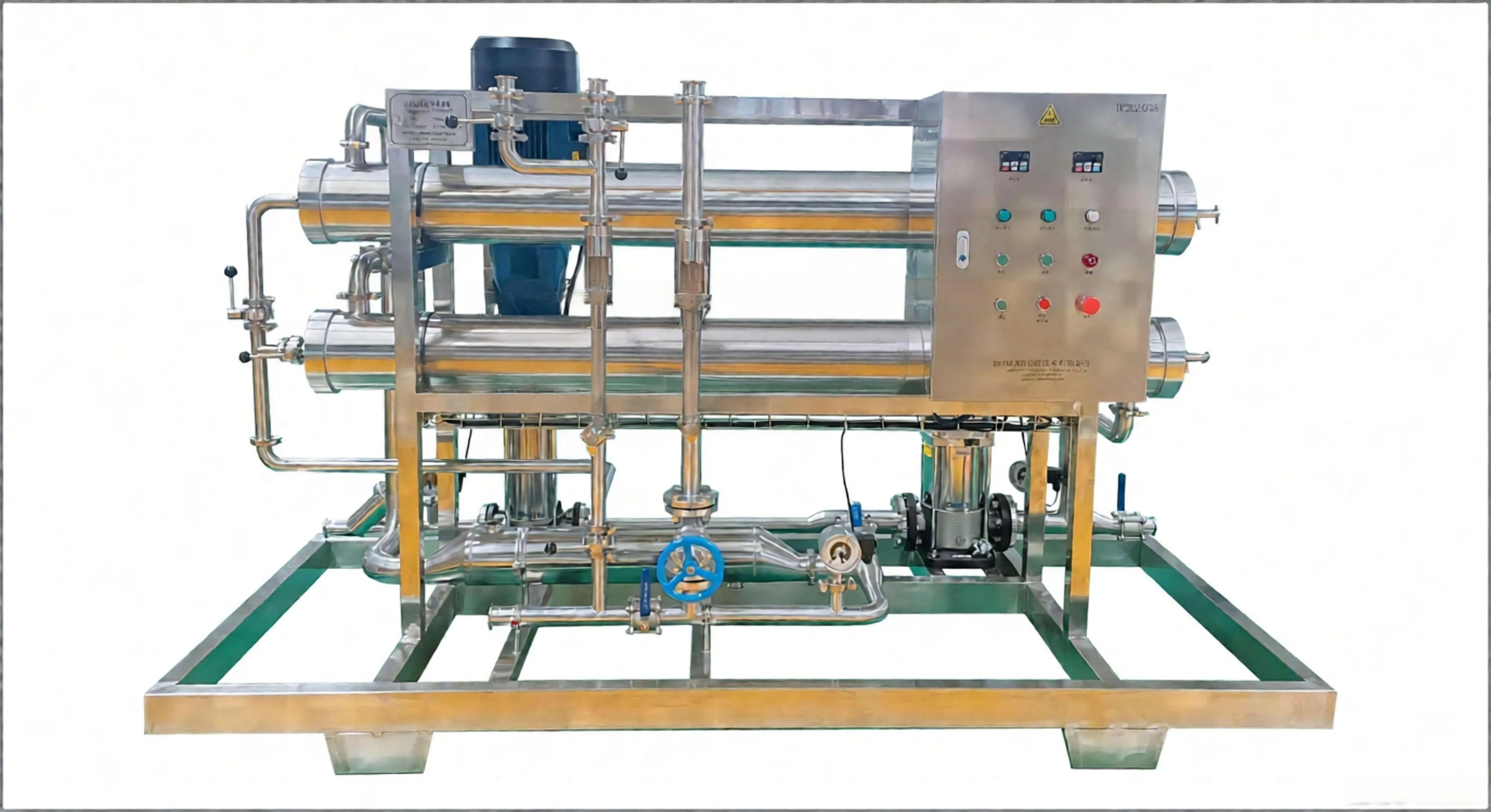
Application of Membrane Separation Technology in Plasma Protein Concentration
With years of practical experience serving animal extract manufacturers and proprietary advantages in membrane separation technology, BluewavBio designs customized membrane concentration systems tailored to plasma characteristics (total protein accounts for about 5-8% of plasma, and most of the rest is water). The membrane removes half of the water in plasma and concentrates plasma protein to around 15% before spray drying, nearly doubling production efficiency and drastically cutting power consumption of spray drying. Besides water removal, membrane concentration also eliminates partial inorganic salts in plasma, reducing inorganic salt content from roughly 12-15% to 8-10%, thereby lowering total ash content in finished plasma protein powder and improving product quality. The permeate from membrane concentration contains almost no protein and can be directly discharged or recycled for other processes.
Plasma Protein Membrane Concentration Process Flow
Plasma → Centrifugal Separation → Membrane Concentration → Spray Drying → Finished Product
Advantages of Membrane Separation Technology for Plasma Protein
- Membrane concentration concentrates plasma protein by 5 to 6 times, shortening time and energy consumption of subsequent drying processes;
- Concentration proceeds at ambient temperature to largely preserve biological activity of proteins and avoid high-temperature freezing damage to plasma;
- While dehydrating plasma, membrane concentration removes partial inorganic salts and reduces total ash content of plasma protein powder;
- Wastewater generated from membrane process features low total COD and BOD, greatly easing environmental protection burdens;
- Cross-flow operation solves membrane fouling and clogging problems, applicable to high-viscosity feedstock treatment;
- Automated and modular design cuts labor intensity, easy to integrate into existing production lines and suitable for capacity expansion;
- The whole system is constructed with sanitary-grade materials and complies with GMP standards.
BluewavBio is a professional manufacturer of membrane separation equipment with a team of senior engineers specializing in membrane engineering applications. After years of technical research and industrial practice, we have mastered advanced ultrafiltration, nanofiltration, reverse osmosis and ceramic membrane technologies. We focus on custom-designing and manufacturing lab-scale, pilot-scale and industrial membrane separation equipment for global clients. If you encounter any technical obstacles in membrane filtration, please feel free to contact us, and our professional technical team will provide dedicated technical support and solutions.