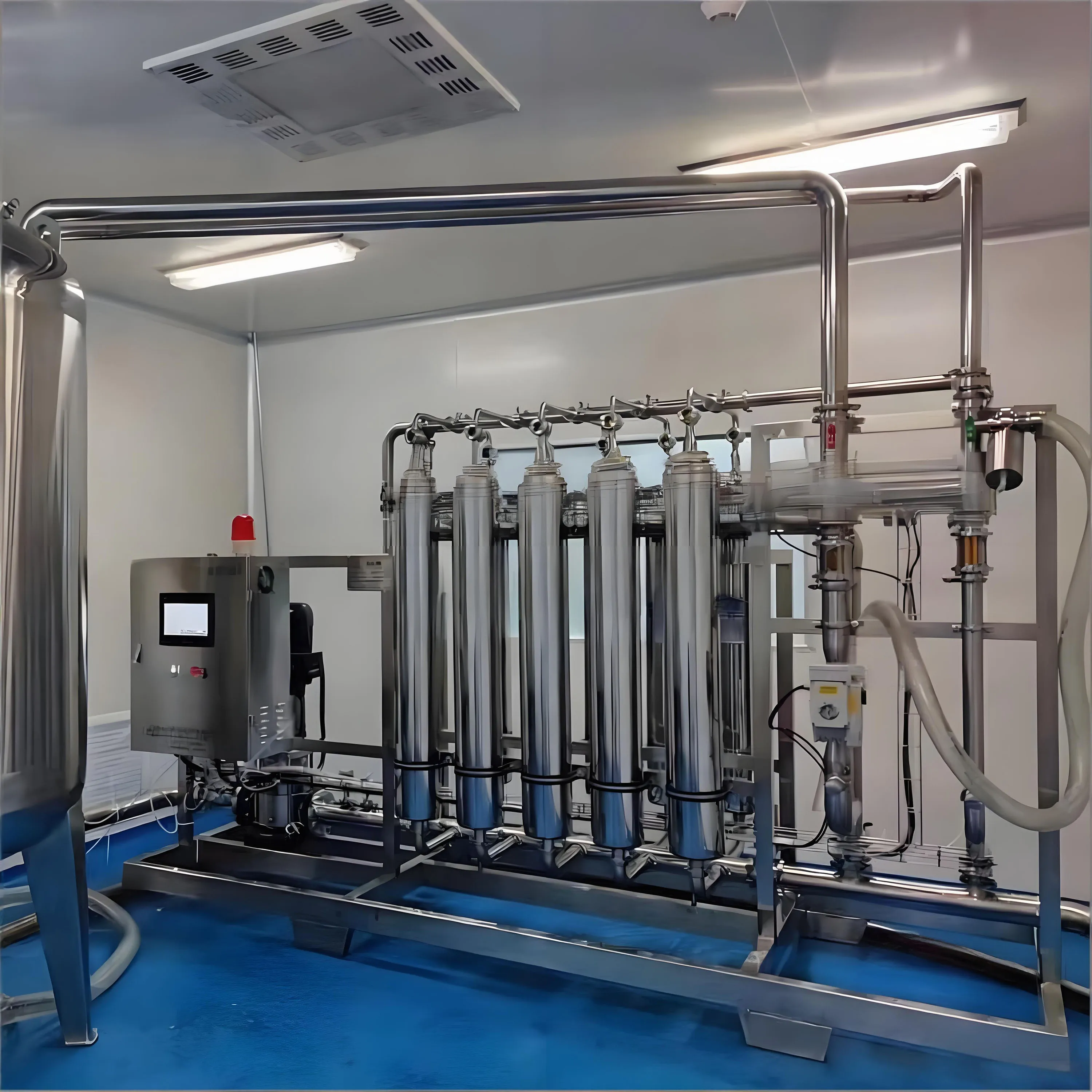
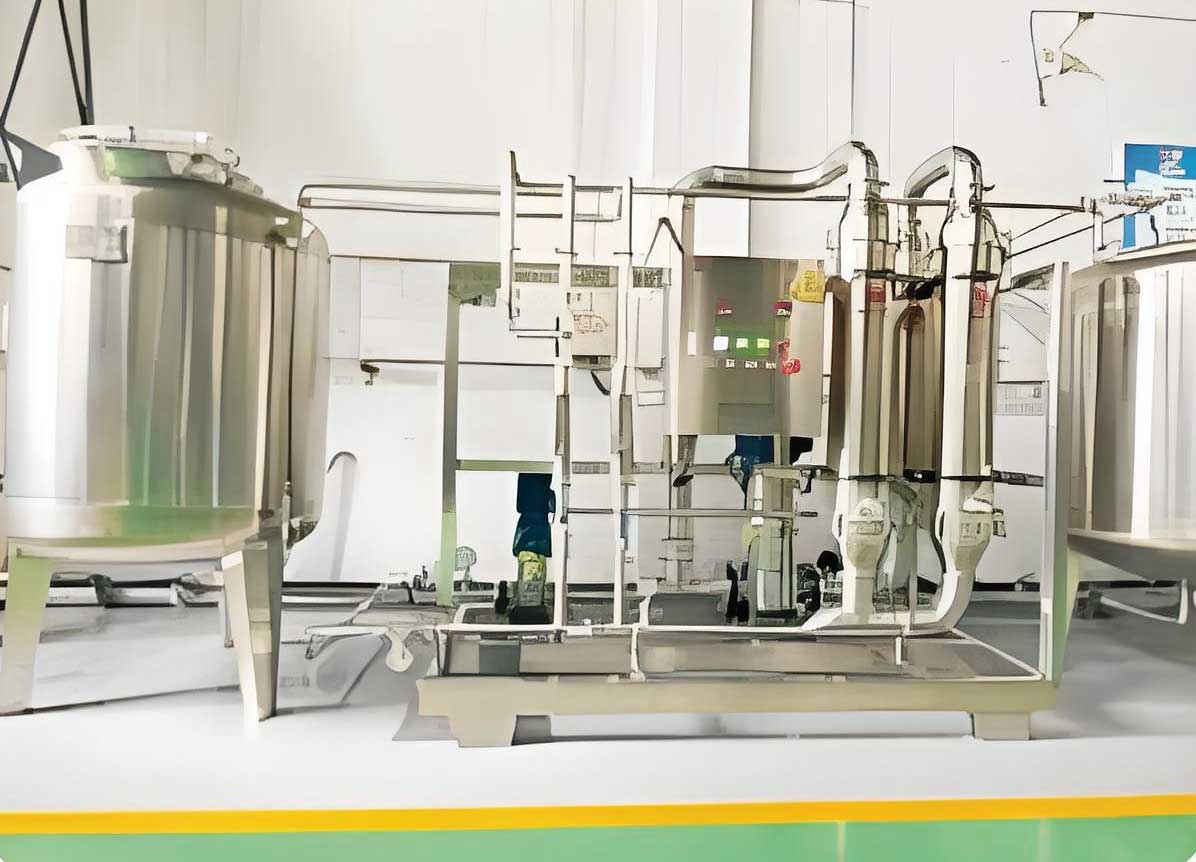
Membrane filtration system for juice production line
Superior Product Quality
High Efficiency & Integration
Energy Saving & Cost Reduction
Stable Operation & Easy Maintenance
Product Overview
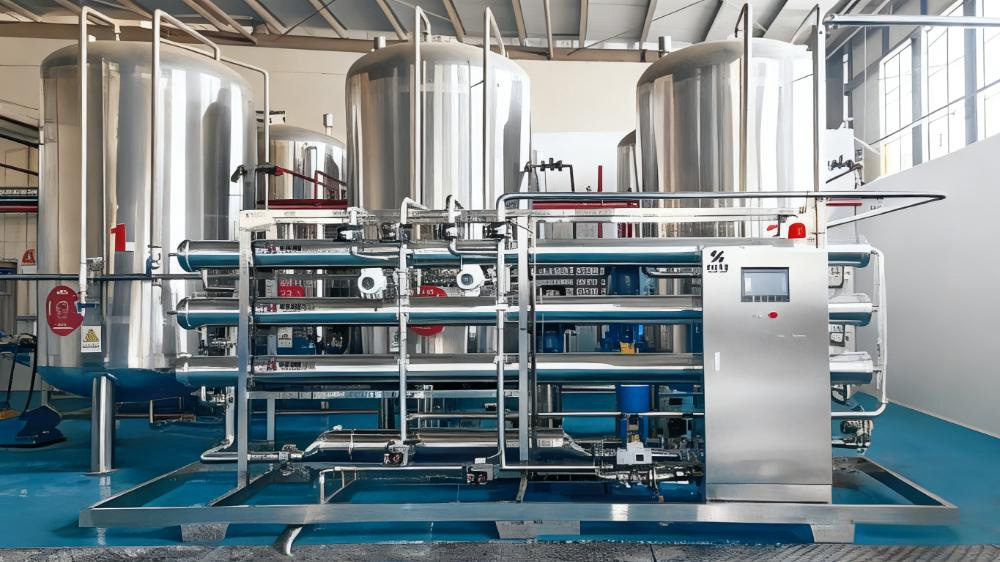
The Juice Sterilization, Clarification & Concentration System is an integrated high-efficiency processing equipment designed for fruit juice deep processing, integrating three core functions: impurity removal, sterilization, and concentration. Based on advanced membrane separation technology and low-temperature concentration technology, the system solves industry pain points such as juice turbidity, short shelf life, nutrient loss, and high transportation costs. It is widely applicable to various fruit juices (e.g., orange juice, apple juice, mango juice, dragon fruit juice) and functional fruit drinks, delivering clear, sterile, and high-concentration final products while maximizing the retention of natural flavors, vitamins, and active ingredients. As a key equipment for high-end juice production (including NFC juice and concentrated juice), it meets global food safety standards such as FDA, SC, and EU regulations.
Working Principle
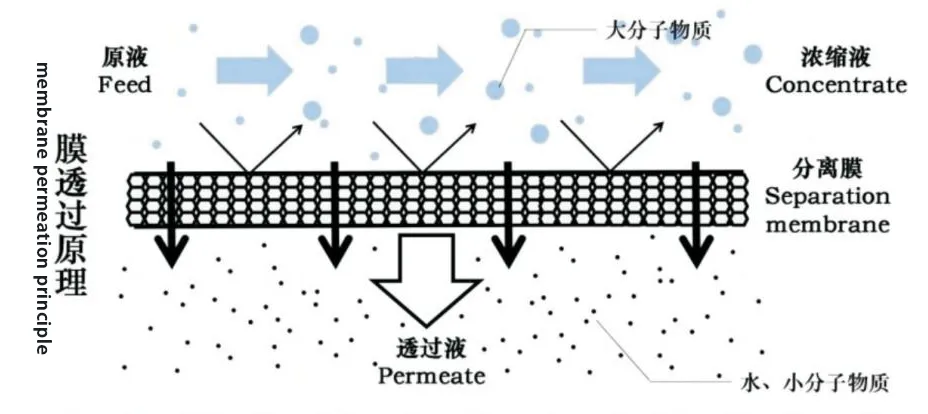
The system adopts a "membrane separation + low-temperature concentration" combined process, realizing seamless connection of clarification, sterilization, and concentration without chemical additives, ensuring pure physical processing.
1. Pretreatment Stage
Fresh fruit juice is first filtered through a 5-10μm precision pre-filter to remove large-particle impurities (e.g., pulp residues, fruit stones, suspended solids), protecting subsequent membrane elements from clogging and extending their service life.
2. Clarification & Sterilization Stage
Ultrafiltration (UF) Membrane Clarification: Equipped with ultrafiltration membranes with a molecular weight cut-off of 10,000–50,000 Da or microfiltration (MF) membranes with a pore size of 0.1–1 μm. Under low pressure (0.2–0.4 MPa) and room temperature (25–35℃), colloids (e.g., pectin, proteins), fine pulp particles, and other impurities are retained by the membrane, while small-molecule nutrients (e.g., sugars, vitamins) and water pass through, producing clear juice.
Membrane Sterilization: Synchronously achieves microbial removal via the same membrane system—bacteria (E. coli, Salmonella), yeasts, molds, and spores (size >0.01 μm) are completely intercepted, with a sterilization rate of ≥99.99%. This eliminates the need for high-temperature heat treatment, avoiding flavor deterioration and nutrient loss caused by thermal damage.
3. Concentration Stage
Nanofiltration (NF) Membrane Pre-Concentration: The clarified and sterile juice is pumped into the nanofiltration membrane module (operating pressure: 0.8–1.5 MPa). The membrane selectively retains sugars, organic acids, and flavor compounds, allowing water and small amounts of inorganic salts to pass through, pre-concentrating the juice from 10%–15% soluble solids to 25%–30%.
Vacuum Low-Temperature Final Concentration: The pre-concentrated juice enters the vacuum low-temperature concentrator (temperature: 40–60℃, vacuum degree: -0.085–-0.095 MPa) for further concentration to the target soluble solid content (65%–70%), forming high-quality concentrated juice. The combination of membrane pre-concentration and vacuum concentration reduces energy consumption by 30%–50% compared to traditional single heat concentration.
Core Components
|
Component Unit
|
Core Equipment
|
Function
|
|
Pretreatment Unit
|
5-10μm precision filter, buffer tank, feed pump
|
Remove large particles, stabilize feed flow, and protect subsequent processes
|
|
Clarification & Sterilization Unit
|
UF/MF membrane module (PVDF/PES material), circulation pump, pressure control valve
|
Achieve high-precision impurity removal and sterile filtration at room temperature
|
|
Concentration Unit
|
NF membrane module, vacuum low-temperature concentrator, heat exchanger
|
Realize low-temperature concentration, retain active ingredients, and improve concentration efficiency
|
|
Control Unit
|
PLC automatic control system, online monitors (flow, pressure, temperature, soluble solid content)
|
Automate process parameters, enable unattended operation, and ensure stable product quality
|
|
Cleaning Unit
|
CIP (Clean-in-Place) online cleaning system, acid-base reagent tanks
|
Regularly clean membrane modules and pipelines to prevent fouling and extend service life
|
Core Advantages
Superior Product Quality:
Room-temperature membrane processing minimizes the loss of heat-sensitive nutrients (e.g., vitamin C, aromatic substances) and natural flavors—nutrient retention rate ≥95%, flavor consistency with fresh-squeezed juice.
High Efficiency & Integration:
Integrates three processes into one, reducing equipment footprint by 40% compared to separate systems; continuous production design ensures a processing capacity of 50–10,000 Kg/h, adapting to both small-batch and large-scale production.
Energy Saving & Cost Reduction:
Membrane pre-concentration reduces the load of vacuum concentration, with overall energy consumption only 50%–70% of traditional thermal concentration systems; the recovered permeate (pure water) can be reused for cleaning or production, reducing water waste. Sterile & Compliant:
99.99% sterilization rate eliminates microbial contamination risks, extending the shelf life of finished juice to 12–24 months (under normal temperature storage); all parts in contact with juice are made of 304/316L stainless steel and food-grade PVDF, complying with FDA, GMP, and EU food safety standards.
Stable Operation & Easy Maintenance:
Cross-flow filtration design reduces membrane fouling; CIP online cleaning system enables automatic cleaning without disassembly, extending membrane service life to 2–3 years; PLC intelligent control simplifies operation and reduces labor costs.
Technical Parameters
|
Parameter Category
|
Specification Range
|
|
Processing Capacity
|
50–10,000 Kg/h (fresh juice input)
|
|
Clarification Membrane Type
|
UF/MF membrane (pore size: 0.1–1 μm; molecular weight cut-off: 10,000–50,000 Da)
|
|
Concentration Membrane Type
|
NF membrane (operating pressure: 0.8–1.5 MPa)
|
|
Vacuum Concentration Temperature
|
40–60℃
|
|
Final Soluble Solid Content
|
65%–70°Bx (customizable according to requirements)
|
|
Sterilization Rate
|
≥99.99% (eliminates bacteria, yeasts, molds, spores)
|
|
Operating Pressure (Clarification Stage)
|
0.2–0.4 MPa
|
|
Material in Contact with Juice
|
304/316L stainless steel, food-grade PVDF, FDA-compliant seals
|
|
Power Consumption
|
5.5–120 KW (varies by capacity)
|
|
Control System
|
PLC automatic control + touch screen operation, with online parameter monitoring
|
Application Scenarios
Fresh Fruit Juice Processing:
Clarification and sterilization of orange juice, apple juice, pear juice, etc., producing clear NFC juice with extended shelf life.
Tropical Fruit Juice Processing:
Concentration of mango juice, dragon fruit juice, passion fruit juice, etc., retaining unique flavors and reducing transportation costs.
Functional Fruit Drink Processing:
Concentration of wolfberry juice, seabuckthorn juice, blueberry juice, etc., enriching active ingredients (e.g., anthocyanins) while ensuring clarity and sterility.
Fruit Juice Beverage Base Production:
Production of high-concentration juice concentrates for blending bottled drinks, jams, fruit wines, and instant fruit powder.


Product Category
News of Product
- Membrane separation technology is driving the milk industry towards a future of high efficiency and high quality
- Application of Membrane Separation Technology in the Biopharmaceutical Industry
- What role does membrane filtration technology play in the sterilization and clarification of alcoholic beverages?
- Precise Separation, Empowering the Future: How Membrane Separation Technology is Reshaping the Modern Pharmaceutical Industry
- Membrane Separation Technology: Driving Innovation and Efficient Production in the Biopharmaceutical Industry