Membrane Separation Technology Has Become the Development Trend of the Natural Pigment Industry
With the continuous increase in global consumer demand for healthy, natural and non-toxic products, natural pigments, as green alternatives to synthetic pigments, have been increasingly widely used in the food, cosmetics, pharmaceutical and health product industries. According to industry data, the market size of natural pigments in China reached about 8.5 billion RMB in 2022, and it is expected to exceed 15 billion RMB by 2028, with a compound annual growth rate (CAGR) of more than 10%. However, most natural pigments are extracted from plants and microorganisms, and the crude extract often contains proteins, pectin, tannins, small-molecule impurities and other substances, leading to low pigment purity, poor stability and abnormal flavor, which seriously restrict their commercial application. Against this industry background, membrane separation technology, with its core advantages of high efficiency, environmental protection, low-temperature operation and high product purity, has gradually replaced traditional refining processes, become the core supporting technology in the natural pigment refining industry, promoted the industry's transformation towards greenization and high-endization, and has already become the mainstream development trend of the natural pigment industry. This article will detail the analysis of the application status, core advantages, typical cases and future development trends of membrane separation technology in natural pigment refining, helping industry practitioners fully understand the application value of this technology.
I. Core Principles of Membrane Separation Technology and Its Main Types Suitable for Natural Pigment Refining
Membrane separation technology is a physical refining technology that achieves component separation based on the "selective permeability of membranes". Without adding chemical reagents, it can accurately retain impurities and retain target natural pigment components only by relying on driving forces such as pressure and concentration difference. The whole process of low-temperature operation can maximize the protection of the activity and natural color of pigments. Compared with traditional processes such as solvent extraction, column chromatography and thermal concentration, membrane separation technology has significant advantages including simple operation, low energy consumption, environmental friendliness, no pollution and stable product quality, which perfectly meets the "green, efficient and high-quality" refining needs of natural pigments.
Membrane separation technologies suitable for natural pigment refining are mainly divided into 4 types, which accurately match the refining needs of different pigments according to separation accuracy and application scenarios, forming a multi-stage synergistic refining system:
1. Microfiltration (MF): Pretreatment and Impurity Removal to Lay a Solid Foundation for Refining
The pore size of microfiltration membranes ranges from 0.1 to 10 μm, which is mainly used in the pretreatment stage of crude natural pigment extracts. Its core function is to retain insoluble impurities such as suspended particles, plant fibers, microorganisms and macromolecular colloids in the crude extract, remove turbidity in the solution, reduce the load of subsequent refining processes, and prevent clogging of subsequent high-precision membranes, thereby extending the service life of the membranes. For example, in the pretreatment of crude extracts of curcumin and red cabbage pigment, microfiltration membranes can quickly remove plant residues, pectin precipitates and other substances from raw materials, making the crude extract clear and laying a foundation for subsequent high-precision separation.
2. Ultrafiltration (UF): Retaining Macromolecular Impurities to Improve Pigment Purity
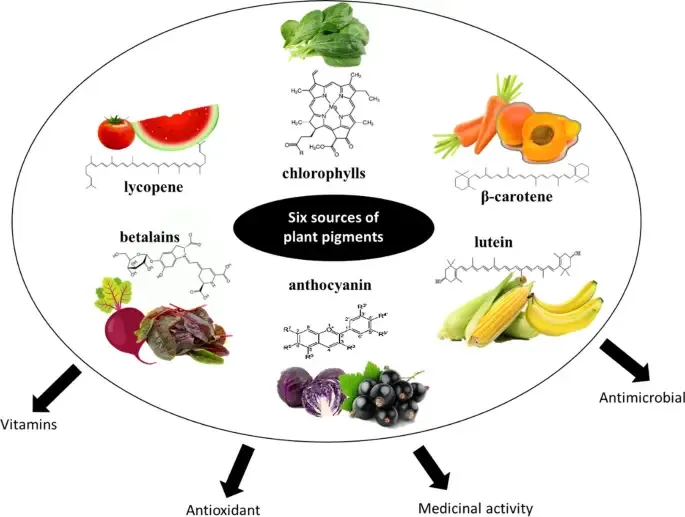
The pore size of ultrafiltration membranes ranges from 1 to 100 nm, which can accurately retain macromolecular impurities such as proteins, polysaccharides and tannins in the crude extract, while completely retaining small-molecular natural pigment molecules (such as anthocyanins and carotenoids). This technology can effectively solve the problems of "low purity and poor stability caused by macromolecular impurities" in the crude extract of natural pigments, and can also recover the remaining pigments in the supernatant, increasing the pigment yield by more than 20%. At present, ultrafiltration technology has been widely used in the refining of various natural pigments such as blueberry anthocyanins, lycopene and chlorophyll, and is a core link in the natural pigment refining process.
3. Nanofiltration (NF): Synchronous Concentration and Decolorization to Optimize Product Quality
The pore size of nanofiltration membranes ranges from 0.01 to 1 nm, between ultrafiltration and reverse osmosis, with the dual functions of "retaining small-molecular impurities" and "concentrating target components". In natural pigment refining, nanofiltration membranes can concentrate the clarified liquid treated by ultrafiltration multiple times at room temperature, increasing the pigment concentration to 20-30%, while retaining soluble impurities such as small-molecular salts and monosaccharides, and also achieving slight decolorization to remove small-molecular colored substances that affect the pigment color. For example, in the refining of gardenia yellow pigment and monascus red pigment, nanofiltration membranes can effectively remove small-molecular impurities from raw materials, improve the color purity and stability of pigments, and avoid pigment decomposition and damage caused by high-temperature concentration.
4. Reverse Osmosis (RO): Deep Dehydration and Concentration to Reduce Subsequent Energy Consumption
The pore size of reverse osmosis membranes is less than 0.001 nm, with the highest separation accuracy, mainly used in the deep dehydration and concentration stage of natural pigments. This technology can further dehydrate the pigment liquid concentrated by nanofiltration at low temperature, greatly reducing the water content of the pigment liquid, reducing the energy consumption of subsequent drying processes, and at the same time, deeply removing residual small-molecular impurities, making the pigment purity reach more than 95%. Reverse osmosis technology is especially suitable for the refining of pharmaceutical-grade and cosmetic-grade natural pigments with high purity requirements, such as astaxanthin and lutein.
II. Practical Application Cases of Membrane Separation Technology in Natural Pigment Refining
With its advantages of "precision separation, greenness and high efficiency", membrane separation technology has been widely used in the refining of various natural pigments from plant and microbial sources. According to their molecular characteristics and refining needs, different pigments adopt the "multi-stage membrane separation synergy" method to achieve quality upgrading. The following are 3 typical application cases to intuitively show the application effect of this technology:
1. Application in Anthocyanin Refining (from Blueberries and Purple Sweet Potatoes)
Anthocyanins are natural water-soluble pigments widely present in blueberries, purple sweet potatoes and grape skins, with antioxidant, eye-protecting and other effects. However, the crude extract contains a large amount of polysaccharides, proteins and tannins, which easily lead to pigment oxidation, degradation and dark color. After refining by the "microfiltration + ultrafiltration + nanofiltration" three-stage membrane separation process, multiple optimizations can be achieved: microfiltration removes suspended impurities, ultrafiltration retains macromolecular polysaccharides and proteins, and nanofiltration concentrates anthocyanins and removes small-molecular impurities. The purity of the final anthocyanin product is increased from less than 30% of the crude extract to more than 90%, the retention rate of active components is as high as 98%, and there is no chemical reagent residue. The yield is increased to more than 85%, far exceeding the yield of about 60% of the traditional solvent extraction process. This process has been adopted by many domestic natural pigment enterprises, significantly improving the market competitiveness of anthocyanin products.
2. Application in Carotenoid Refining (from Carrots and Tomatoes)
Carotenoids (such as lycopene and β-carotene) are fat-soluble natural pigments with antioxidant, vitamin A supplementation and other effects. The traditional refining process adopts solvent extraction + thermal concentration, which easily leads to pigment oxidation, decomposition and excessive solvent residues. The "microfiltration + ultrafiltration + reverse osmosis" three-stage membrane separation process is adopted, with the whole operation at low temperature below 30 ℃, which can effectively protect the active structure of carotenoids: microfiltration removes raw material residues, ultrafiltration retains fat-soluble macromolecular impurities, and reverse osmosis achieves deep dehydration and concentration. The final product purity reaches more than 95%, the solvent residue fully meets international food safety standards, and the energy consumption is only 1/3 of that of the traditional thermal concentration process. A well-known chemical enterprise has improved the membrane pore size distribution and surface modification technology, making the purification yield of carotene reach more than 95%, which is much higher than 60% of the traditional adsorption method.
3. Application in Curcumin Refining (from Ginger)
Curcumin is a natural fat-soluble pigment extracted from ginger, which is widely used in food coloring and pharmaceutical fields. However, its crude extract contains a large amount of starch, cellulose and protein, leading to uneven product color and poor stability. The "microfiltration + ultrafiltration" two-stage membrane separation process is adopted: microfiltration removes starch and plant residues, and ultrafiltration retains proteins and macromolecular polysaccharides. The purity of the refined curcumin is increased from 25% of the crude extract to more than 88%, with uniform color, significantly improved thermal stability and light stability, and it can extend the product shelf life without adding stabilizers, fully meeting the high-quality requirements of the food and pharmaceutical industries.
III. Core Advantages of Membrane Separation Technology Compared with Traditional Natural Pigment Refining Methods
Traditional natural pigment refining methods (such as solvent extraction, column chromatography, thermal concentration and plate-and-frame filtration) have many drawbacks, including chemical reagent residues, damage to pigment activity, high energy consumption, low yield and high environmental pressure, which are difficult to meet the current industry's development needs of "green, high-end and large-scale". The application of membrane separation technology has completely solved these industry pain points, and its core advantages are mainly reflected in the following 5 aspects, which are also in line with the global development trend of green manufacturing:
1. Green and Environmentally Friendly, No Chemical Residues, in Line with Health Needs
Membrane separation technology is a physical separation process that does not require the addition of organic solvents, acids, alkalis and other chemical substances throughout the process, fundamentally avoiding the impact of chemical reagent residues on the quality of natural pigments. At the same time, there is no discharge of wastewater, waste gas or waste residue, which meets environmental protection regulations and green production requirements. In addition, membrane modules can be reused through cleaning and maintenance, with a solvent recovery rate of ≥80%, which further reduces environmental pressure and production costs, and perfectly matches the core positioning of natural pigments as "natural and non-toxic".
2. Low-Temperature Operation, Retaining Pigment Activity and Natural Color
Most natural pigments (such as anthocyanins and carotenoids) are temperature-sensitive. The traditional thermal concentration process (temperature ≥80℃) easily leads to oxidation and decomposition of pigment molecules, lightening of color and reduction of activity. Membrane separation technology operates at room temperature or low temperature (20-45℃) throughout the process, which can maximize the protection of the active structure and natural color of natural pigments, making the products more market-competitive, especially suitable for the refining of heat-sensitive natural pigments.
3. High Separation Accuracy, Dual Improvement of Product Purity and Stability
Membrane separation technology can achieve precise separation according to the differences in molecular weight and polarity between natural pigment molecules and impurity molecules, effectively removing various impurities such as proteins, polysaccharides, tannins and small-molecular salts in the crude extract, and greatly improving the pigment purity (usually by more than 50%). At the same time, the removal of impurities can significantly improve the thermal stability, light stability and storage stability of natural pigments, solving the problem of "easy pigment degradation and short shelf life" in traditional processes. Some refined pigments can meet long-term storage needs without adding stabilizers.
4. Low Energy Consumption, Reducing Enterprise Production Costs and Improving Benefits
The traditional thermal concentration process requires a lot of heat energy, and energy consumption accounts for more than 30% of the production cost. Membrane separation technology only relies on pressure as the driving force, and its energy consumption is only 1/3 to 1/5 of that of the traditional thermal concentration process, which can greatly reduce the energy consumption cost of enterprises. In addition, the membrane separation process is simple to operate, can realize automatic and modular design, has low labor intensity, is convenient to embed into the original production line, is suitable for large-scale amplification production, and at the same time reduces manual cost input, further improving the production efficiency and market competitiveness of enterprises.
5. Simple Operation, Easy Large-Scale Promotion, Adapting to Industry Development
Membrane separation equipment has a compact structure, small floor space, simple operation process, can realize continuous production, does not require complex process control, and is easy to popularize and apply on a large scale. Whether it is the process upgrading of small and medium-sized natural pigment enterprises or the construction of large-scale production lines of large enterprises, membrane separation technology can be flexibly adapted. Moreover, it can customize personalized multi-stage membrane separation processes according to the refining needs of different pigments, adapting to the refining needs of various natural pigments from plant, animal and microbial sources.
IV. Application Difficulties and Solutions of Membrane Separation Technology in Natural Pigment Refining
Although membrane separation technology has significant advantages in natural pigment refining, it still faces some difficulties in practical industrial application, restricting its further promotion. Combined with industry practice experience, the following are the core difficulties and corresponding solutions to help enterprises break through technical bottlenecks:
1. Core Difficulty: Membrane Fouling, Leading to Decreased Membrane Flux and Shortened Service Life
The crude extract of natural pigments has complex components, including proteins, polysaccharides, pectin and other macromolecular substances, which are easy to adsorb on the membrane surface to form a fouling layer, leading to decreased membrane flux, reduced separation efficiency, increased membrane cleaning frequency, shortened membrane service life and increased enterprise production costs. This is the main application difficulty of membrane separation technology in natural pigment refining at present.
Solution: Adopt a comprehensive scheme of "pretreatment optimization + membrane modification + regular cleaning". In the pretreatment stage, maximize the removal of macromolecular impurities in the crude extract through microfiltration, centrifugation and other methods to reduce the source of membrane fouling; modify the membrane surface (such as using high-performance membrane materials such as polyethersulfone and polyvinylidene fluoride) to improve the anti-fouling performance and hydrophobicity of the membrane and reduce impurity adsorption; regularly adopt a combination of physical cleaning (backwashing, air washing) and chemical cleaning (mild acid-base solution) to remove the fouling layer on the membrane surface, restore membrane flux and extend the service life of the membrane (usually up to 1-2 years).
2. Core Difficulty: Insufficient Separation Efficiency of High-Concentration Pigment Liquid
When the natural pigment liquid is concentrated to a certain concentration (such as pigment content ≥20%), the viscosity of the solution will increase significantly, leading to decreased membrane flux and separation efficiency, making it difficult to achieve further concentration and refining, and affecting product quality and production efficiency.
Solution: Optimize membrane separation process parameters, such as appropriately increasing operating pressure (controlled at 0.3-0.8MPa), adjusting feed flow rate to reduce concentration polarization; adopt the "multi-stage nanofiltration + reverse osmosis" synergistic process to achieve segmented pigment concentration, avoiding the limitations of a single membrane separation process; introduce an intelligent control system to monitor and adjust process parameters in real time to ensure stable separation efficiency.
3. Core Difficulty: High Cost of Membrane Materials, Unaffordable for Small and Medium-Sized Enterprises
High-performance separation membranes (such as nanofiltration membranes and reverse osmosis membranes) are mostly dependent on imports, and the initial investment cost of membrane materials and equipment is relatively high. Some small and medium-sized natural pigment enterprises are unable to bear the cost of technology upgrading due to limited funds, which restricts the large-scale promotion of membrane separation technology.
Solution: On the one hand, domestic scientific research institutions and enterprises should increase independent research and development efforts to develop low-cost and high-performance domestic membrane materials to replace imported membranes, reducing the cost of membrane materials (at present, the cost of domestic membranes has been reduced by more than 30% compared with imported membranes); on the other hand, encourage enterprises to adopt the mode of "membrane leasing" and "process outsourcing" to reduce initial investment pressure. At the same time, the government should increase policy support and financial subsidies for green technology upgrading to help small and medium-sized enterprises achieve process upgrading and promote the technological progress of the entire industry.
V. Future Development Trends of Membrane Separation Technology in the Natural Pigment Refining Industry
With the continuous expansion of the global natural pigment market (it is expected that the market size of natural pigments in China will exceed 20 billion RMB by 2025), the increasing stringency of environmental protection regulations and the continuous improvement of consumers' requirements for product quality, membrane separation technology will be more widely used in the natural pigment refining industry. In the future, it will develop towards the direction of "high efficiency, low cost, intelligence and multi-functionality". The specific trends are as follows:
1. Accelerated R&D of New Membrane Materials, with Anti-Fouling and High Performance as the Core Direction
In the future, the R&D of membrane materials will focus on "anti-fouling, high performance, low cost and degradable", focusing on the development of new composite membranes and modified membranes (such as graphene-modified membranes and ceramic membranes) to further improve the separation accuracy, anti-fouling performance and service life of membranes, and reduce the cost of membrane materials. For example, ceramic membranes have the advantages of high temperature resistance, anti-fouling and long service life, and will gradually replace traditional organic membranes, being applied in the refining of high-viscosity and high-pollution natural pigments, especially suitable for the production of high-end pharmaceutical-grade and cosmetic-grade pigments.
2. Synergy of Membrane Separation Technology with Other Technologies to Achieve Whole-Process Optimization
A single membrane separation technology is difficult to meet the refining needs of high-end natural pigments. In the future, it will develop towards synergistic processes such as "membrane separation + ultrasonic extraction", "membrane separation + microwave extraction" and "membrane separation + microencapsulation", realizing the whole-process optimization and upgrading of "extraction - refining - preservation". For example, ultrasonic extraction can improve the extraction rate of natural pigments, membrane separation can achieve precise refining, and microencapsulation can further improve the stability of pigments. The synergy of the three can greatly improve the product quality and market competitiveness of natural pigments, driving the industry towards high-end transformation.
3. Popularization of Intelligent Membrane Separation Equipment to Improve Production Efficiency and Stability
With the popularization of the Industry 4.0 concept, the future membrane separation equipment will develop towards intelligence and automation. By integrating sensors and intelligent control systems, it can realize real-time monitoring and automatic adjustment of process parameters such as membrane flux, operating pressure and temperature, reduce manual intervention, and improve production efficiency and the stability of product quality. At the same time, intelligent equipment can realize real-time monitoring and automatic cleaning of membrane fouling, further extending the service life of membranes, reducing enterprise production costs, and adapting to large-scale and standardized production needs.
4. Continuous Expansion of Application Scenarios to Adapt to High-End and Diversified Needs
With the continuous expansion of the application of natural pigments in high-end fields such as cosmetics, pharmaceutical health products and infant food, the requirements for pigment purity, activity and safety will be further improved. Membrane separation technology will extend to these high-end fields with its advantages of precise separation, greenness and high efficiency. For example, in the refining of cosmetic-grade anthocyanins and pharmaceutical-grade astaxanthin, membrane separation technology can achieve the refining goal of "high purity, no residue and high activity", meeting the application needs of high-end fields. At the same time, membrane separation technology will gradually be applied in the refining of new natural pigments (such as microbial-derived pigments and algal pigments), expanding application scenarios and promoting the diversified development of the natural pigment industry.
5. Improvement of Industry Standardization to Promote the Standardized Application of Technology
At present, there is no unified industry standard for the application of membrane separation technology in natural pigment refining, leading to uneven process parameters and product quality among different enterprises. In the future, industry associations and scientific research institutions will jointly formulate application standards of membrane separation technology in natural pigment refining, clarifying the selection of membrane materials, the control of process parameters and the requirements of product quality, promoting the standardized and standardized application of membrane separation technology, improving the product quality and market competitiveness of the entire natural pigment industry, and helping Chinese natural pigment products enter the international market.
VI. Conclusion
As a green, efficient and precise physical separation technology, membrane separation technology perfectly meets the development needs of the natural pigment refining industry for "green, high-quality and large-scale". It not only solves the industry pain points of "chemical residues, activity damage, high energy consumption and low purity" in traditional refining processes, but also can significantly improve the product quality of natural pigments, reduce production costs, reduce environmental pressure, and promote the transformation of the natural pigment industry towards high-endization and greenization.
With the R&D of new membrane materials, the popularization of intelligent equipment and the synergistic application of membrane separation technology with other technologies, membrane separation technology will be more widely and deeply applied in the natural pigment refining industry, becoming the core supporting technology of the natural pigment refining industry. For natural pigment enterprises, accelerating the application and process upgrading of membrane separation technology is the key to improving core competitiveness and seizing the development opportunities of the natural pigment market. In the future, with the improvement of industry standards and continuous technological innovation, membrane separation technology will further empower the high-quality development of the natural pigment industry, help global consumers obtain safer, healthier and more natural pigment products, and promote the in-depth implementation of the green manufacturing concept in related fields such as food, cosmetics and pharmaceuticals.