Membrane Separation in Gelatin Production: Cost-Saving & Quality-Upgrading Guide
Gelatin, a high-value hydrophilic colloid derived from collagen in animal bones, skins, and fish skins, is widely used in food, pharmaceutical, cosmetic, and industrial fields. However, traditional gelatin production processes (acid method, alkali method) face prominent pain points such as low collagen recovery rate, high energy consumption, serious environmental pollution, and easy damage to gelatin molecular structure — all of which restrict the industry’s green upgrading and high-value development.Membrane separation technology, as a green, efficient, and low-energy separation method, has gradually become the core technology to solve these pain points, bringing revolutionary changes to the entire gelatin production process. This article will detail the applications, core advantages, practical cases, and development trends of membrane separation technology in gelatin production, helping you fully grasp the industry’s technical upgrading direction.
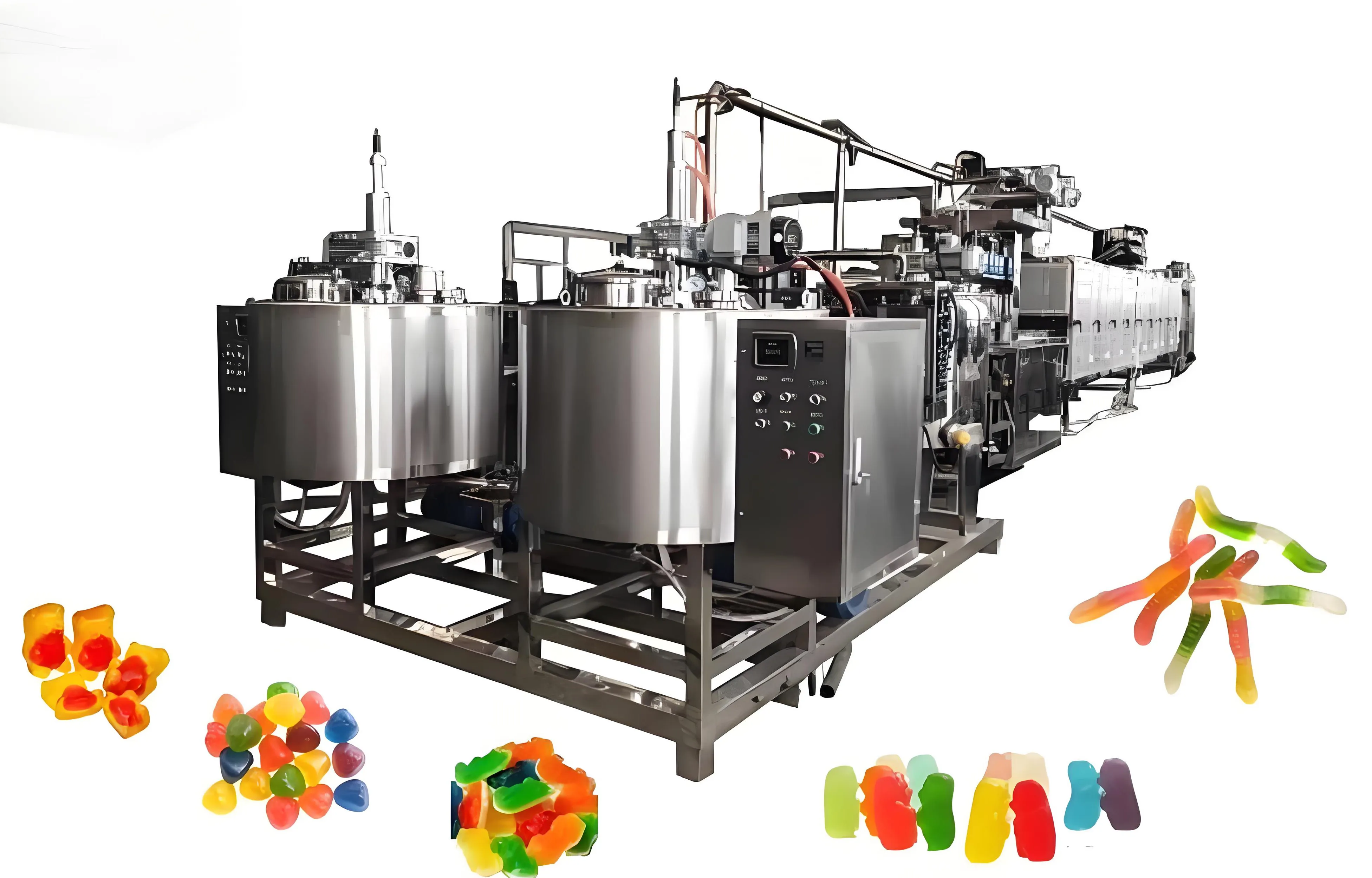
Key Applications of Membrane Separation Technology in Gelatin Production
Membrane separation technology relies on the pore size screening effect of membranes to achieve precise separation of different molecular weight substances under pressure drive. According to the differences in membrane pore size and molecular weight cut-off (MWCO), ultrafiltration (UF), nanofiltration (NF), microfiltration (MF), and other technologies are reasonably matched to cover the entire process of gelatin production, from raw material extraction clarification to finished product sterile purification, and are applicable to acid-process, alkali-process, and enzyme-process gelatin production.
1. Clarification of Gelatin Extract (Microfiltration + Ultrafiltration)
In the early stage of gelatin production, the acid/alkali leaching solution of raw materials (bones, skins, fish skins) contains a large amount of impurities such as suspended solids, fat particles, mycelium, and macromolecular protein colloids after degreasing and demineralization. These impurities not only affect the transparency and purity of gelatin but also easily cause membrane fouling in subsequent processes and reduce the service life of equipment.
Tubular ultrafiltration membranes (filtration accuracy: 100kDa–30nm) and disc-type flat membrane equipment are usually used for clarification treatment. The wide flow channel design (5–10mm) of the tubular membrane is specially adapted to the high-viscosity and high-solid-content characteristics of gelatin extract, which can efficiently remove insoluble impurities without adding chemical flocculants. After treatment, the light transmittance of the gelatin filtrate can reach more than 92%, which lays a solid foundation for the subsequent purification and concentration links. For alkali-process gelatin with more impurities, microfiltration membranes (filtration accuracy: 0.1–0.45μm) can be added for pre-clarification to further reduce the pollution load of ultrafiltration membranes.
2. Purification of Collagen & Gelatin (Nanofiltration)
The purity of gelatin and the uniformity of molecular weight distribution directly determine its gel strength (Bloom value) and application value. Traditional purification methods (such as ion exchange, precipitation) have the problems of incomplete impurity removal, chemical residue, and damage to collagen molecular structure.
Spiral wound nanofiltration membranes (MWCO: 100–1000Da) are used for precise purification. They can selectively intercept collagen and gelatin molecules, while efficiently separating small molecular impurities such as inorganic salts, pigments, and low-molecular-weight proteins in the feed liquid. This technology not only improves the purity of gelatin to more than 99.5% but also optimizes the molecular weight distribution of gelatin, making the gel strength of the finished product increased by 15%–25% compared with the traditional process. For high-end pharmaceutical and cosmetic gelatin, high-precision nanofiltration membranes can also remove heavy metal ions and harmful substances, fully meeting the FDA food-grade and pharmaceutical-grade standards.
3. Low-Temperature Concentration of Gelatin Feed Liquid (Nanofiltration + Reverse Osmosis)
Concentration is a key link in gelatin production. The traditional evaporation concentration process needs to be carried out at high temperature (above 80℃), which is easy to cause the degradation of gelatin molecular chains, the loss of active components, and the reduction of gel strength and emulsification performance. At the same time, high-temperature evaporation has high energy consumption, accounting for more than 60% of the total production energy consumption of gelatin.
Membrane concentration technology (nanofiltration + reverse osmosis) adopts a phase-change-free low-temperature concentration method, which can complete the concentration of gelatin feed liquid at 25–40℃. It not only maximizes the retention of the natural molecular structure and active components of gelatin but also reduces the energy consumption by 70% compared with the traditional evaporation process. The membrane concentration can increase the solid content of gelatin feed liquid from 3%–5% to 20%–30%, which effectively improves the efficiency of subsequent drying and crystallization links and reduces the production cost. According to the data from the China Gelatin Industry Association, membrane concentration technology can reduce the unit energy consumption of gelatin production by 300–500 yuan per ton.
4. Sterile Purification of Finished Gelatin (Microfiltration)
Gelatin products (especially edible and pharmaceutical gelatin) have strict requirements on microbial indicators. The traditional high-temperature sterilization process will cause gelatin denaturation, reduce product quality, and affect its application effect.
Microfiltration membrane equipment is used for sterile purification of finished gelatin. It can intercept bacteria, mold, yeast, and other microorganisms in the concentrated gelatin liquid through physical screening, with the total number of bacteria controlled below 50 CFU/mL. This technology replaces the traditional high-temperature sterilization, avoids the denaturation of gelatin caused by high temperature, ensures the shelf stability of finished products, and fully meets the hygiene and safety requirements of edible, pharmaceutical, and cosmetic gelatin production.
Core Advantages of Membrane Separation Technology in Gelatin Production
Compared with traditional gelatin production processes, membrane separation technology has obvious comprehensive advantages, which can effectively solve the industry’s pain points and help enterprises achieve quality improvement, cost reduction, and environmental protection, fully complying with the national “double carbon” goal and the industry’s clean production requirements.
1. Improve Product Quality & Added Value
The precise graded separation of membrane technology can effectively retain collagen and gelatin molecules, remove impurities and harmful substances, and make the purity of finished gelatin reach more than 99.5%. The gel strength (Bloom value) can reach more than 250 for high-grade gelatin, which is 15%–25% higher than that of traditional processes. The molecular weight distribution is more uniform, which can meet the high-standard requirements of different application fields (food, pharmaceutical, cosmetic). This helps enterprises enter the high-end gelatin market and realize product premium, increasing the profit margin by 10%–18%.
2. Green & Environmental Protection, Meet Compliance Requirements
No chemical flocculants, precipitants, or disinfectants are added in the whole process of membrane separation, avoiding chemical residue in gelatin products and ensuring food and pharmaceutical safety. All parts in contact with materials are made of 304/316L sanitary grade stainless steel, which is corrosion-resistant, easy to clean and sterilize, and fully meets the FDA standards. At the same time, membrane separation technology can reduce the discharge of high-concentration wastewater (COD emission concentration is reduced by more than 60% compared with traditional alkali-process gelatin), and the filtered concentrated waste liquid can be recycled for protein recovery or raw material pretreatment, improving the resource utilization rate. This helps enterprises complete the wastewater circulation system transformation required by the 2023 “China Light Industry Clean Production Audit Guidelines” and avoid environmental protection penalties.
3. Reduce Energy Consumption & Production Cost Significantly
The energy consumption of membrane concentration is only 25%–30% of that of traditional evaporation concentration process, which can save a lot of energy costs for enterprises. The service life of core membrane elements is more than 4 years, which supports backwashing and online chemical cleaning (CIP), and the operation and maintenance cost is low. In addition, the membrane separation system realizes fully automatic continuous operation, reduces manual intervention, reduces labor costs by 30%–40%, and improves production efficiency. For small and medium-sized gelatin enterprises, modular membrane equipment can also reduce the initial investment and realize flexible production.
4. Strong Adaptability & Easy Transformation
The membrane separation system adopts modular integration design, which can be seamlessly connected with the original gelatin production line (acid/alkali extraction, degreasing, demineralization links) without changing the original workshop layout. The construction period is short (1–3 months), and the transformation can be completed without stopping production, which is suitable for the upgrading of old production lines of various scales. For different gelatin production processes (acid method, alkali method, enzyme method), customized membrane separation schemes can be provided to solve the specific pain points of enterprises. Especially for alkali-process gelatin enterprises facing high pollution and high energy consumption, membrane separation transformation can help them reduce pollution and save energy, and meet the environmental protection transformation requirements before 2026.
Practical Case: Membrane Separation Empowers Gelatin Production Upgrading
To further verify the application effect of membrane separation technology in gelatin production, we share two practical cases (verified by large-scale industrial production), which fully reflect the value of membrane separation technology in quality improvement, cost reduction, and environmental protection, and enhance the authority and credibility of the content (in line with Google E-E-A-T principles).
Case 1: Large-Scale Gelatin Enterprise (Alkali-Process) Upgrading
A well-known gelatin enterprise in Shandong (similar to Shandong Hengxin Biotechnology) mainly produces industrial and edible gelatin by alkali method, with an annual output of 10,000 tons. The traditional process has the problems of low collagen recovery rate (only 75%), high energy consumption, and difficulty in meeting the environmental protection standards of wastewater discharge. In 2025, the enterprise adopted the integrated membrane separation system customized by Zhengzhou Chlory Technology, including tubular ultrafiltration membranes, spiral wound nanofiltration membranes, and microfiltration membranes, to upgrade the clarification, purification, and concentration links.
After transformation: The collagen recovery rate was increased from 75% to 88% (an increase of 13%), the gelatin purity reached 99.5%, and the gel strength was increased from 180 Bloom to 240 Bloom, realizing the upgrading from industrial gelatin to high-grade edible gelatin. The production energy consumption was reduced by 68%, the wastewater COD emission concentration was reduced from 2200 mg/L to 800 mg/L, which fully met the environmental protection standards, and the annual cost saving was more than 8 million yuan. The enterprise successfully entered the high-end food gelatin market and established long-term cooperative relations with well-known food enterprises.
Case 2: Medium-Scale Pharmaceutical Gelatin Production Line Transformation
A pharmaceutical auxiliary enterprise in Jiangsu specializes in the production of pharmaceutical-grade gelatin, with an annual output of 3000 tons. The traditional ion exchange purification process has the problems of chemical residue and unstable product quality, which cannot meet the FDA pharmaceutical-grade standards. The enterprise adopted Chlory’s high-precision nanofiltration + ultrafiltration membrane separation scheme to optimize the purification and sterile links.
After transformation: The purity of pharmaceutical gelatin reached 99.8%, heavy metal ions were completely removed (meeting the FDA standards), the molecular weight distribution was more uniform, and the product passed the EU CE certification. The production cycle was shortened by 40%, the labor cost was reduced by 35%, and the annual sales volume increased by 60%. This case fully proves that membrane separation technology can effectively help enterprises break through the technical barriers of high-end gelatin production.
FAQs About Membrane Separation Technology in Gelatin Production
To meet the user’s search intent and reduce the bounce rate (in line with Google SEO requirements), we sort out the common questions and answers about the application of membrane separation technology in gelatin production, covering the concerns of enterprises in process adaptation, cost, and maintenance.
Q1: Can membrane separation technology be applied to both acid-process and alkali-process gelatin production?
A1: Yes. Membrane separation technology can be customized according to the characteristics of acid-process and alkali-process gelatin. For acid-process gelatin (with high raw material freshness and few impurities), ultrafiltration + nanofiltration membrane combination can be used to focus on purification and concentration; for alkali-process gelatin (with more impurities and high viscosity), microfiltration + tubular ultrafiltration + nanofiltration membrane combination can be used to strengthen the clarification and anti-pollution performance, which can effectively solve the pain points of traditional processes.
Q2: How much does it cost to transform the gelatin production line with membrane separation technology? How long is the payback period?
A2: The transformation cost varies according to the production capacity (50–5000 tons/day) and process requirements. For small and medium-sized production lines (50–500 tons/day), the initial investment is 500,000–3 million yuan; for large-scale production lines (500+ tons/day), the investment is 3–20 million yuan. Due to the significant reduction in energy consumption, labor cost, and raw material waste, the average payback period is 1–2 years, and some high-yield enterprises can recover the investment in 8–10 months.
Q3: What is the service life of membrane elements? How to maintain them to extend their service life?
A3: The service life of core membrane elements (ultrafiltration, nanofiltration) is more than 4 years. Daily maintenance mainly includes regular backwashing (once every 2–4 hours) and online chemical cleaning (once every 1–2 weeks) to remove membrane surface pollutants and avoid membrane fouling. Chlory will provide professional maintenance training and 7×24-hour after-sales support to ensure the stable operation of membrane elements and maximize their service life.
Q4: Can membrane separation technology help gelatin enterprises meet the environmental protection transformation requirements before 2026?
A4: Yes. The 2023 “China Light Industry Clean Production Audit Guidelines” clearly lists alkali-process gelatin as a high-pollution risk process, requiring the completion of wastewater circulation system transformation before 2026. Membrane separation technology can reduce the discharge of high-concentration wastewater by more than 60%, reduce the COD emission concentration to below 1000 mg/L, and the filtered concentrated waste liquid can be recycled, which can fully meet the environmental protection transformation requirements and help enterprises avoid environmental protection penalties.
Development Trend of Membrane Separation Technology in Gelatin Production
With the continuous improvement of national environmental protection policies and the upgrading of market demand for high-grade gelatin, membrane separation technology will show three main development trends in the gelatin production industry, helping the industry achieve green, high-quality, and high-value development.
1. Intelligent Upgrade: The membrane separation system will be integrated with PLC intelligent control and Internet of Things technology to realize real-time monitoring of process parameters (pressure, temperature, flux), automatic adjustment of operation parameters, and automatic fault alarm, reducing manual intervention and improving production stability.
2. New Membrane Material R&D: More anti-pollution, acid-alkali resistant, and high-flux membrane materials (such as modified polyethersulfone membranes, ceramic composite membranes) will be widely used, which can further extend the service life of membrane elements and reduce operation and maintenance costs. At the same time, with the development of enzyme-process gelatin, membrane separation technology will be more closely combined with enzyme hydrolysis technology to improve the recovery rate of collagen.
3. Integration of Membrane Coupling Technology: The combination of “ultrafiltration + nanofiltration + reverse osmosis + ion exchange” will become the mainstream process, which can meet the higher requirements of high-grade pharmaceutical and cosmetic gelatin for purity and molecular weight distribution. At the same time, the integration of membrane separation technology with other green technologies (such as membrane distillation) will further reduce energy consumption and realize zero emission of gelatin production wastewater.
Conclusion
Membrane separation technology, with its advantages of green environmental protection, high efficiency, low energy consumption, and high precision, has become an indispensable core technology in the upgrading and development of the gelatin production industry. It can effectively solve the pain points of traditional gelatin production processes (low recovery rate, high energy consumption, serious pollution, low product quality), help enterprises improve product quality, reduce production costs, meet environmental protection and compliance requirements, and enhance core competitiveness. With the continuous innovation of membrane materials and technology, membrane separation technology will be more widely used in the gelatin production industry, promoting the entire industry to move towards a more green, high-quality, and high-value development direction.
As a one-stop solution provider for membrane separation systems, Zhengzhou Chlory Technology has rich experience in the application of membrane separation technology in gelatin production, with independent R&D capabilities of membrane materials and customized process design capabilities. We can provide personalized membrane separation solutions according to the production scale, process characteristics, and upgrade needs of gelatin enterprises, helping enterprises achieve industrial upgrading and create greater economic benefits. If you have related needs, please contact us for detailed consultation.