Isolated Soy Protein Ultrafiltration Membrane Separation & Low-Temperature Concentration Equipment
Background Introduction
Soy protein refers to the protein contained in soybean products, with a content of more than 38%, which is 4 to 5 times that of cereal foods. As a type of plant-based protein, soy protein has an amino acid composition similar to milk protein. Except for slightly lower methionine content, it is rich in all other essential amino acids, making it a complete plant protein.
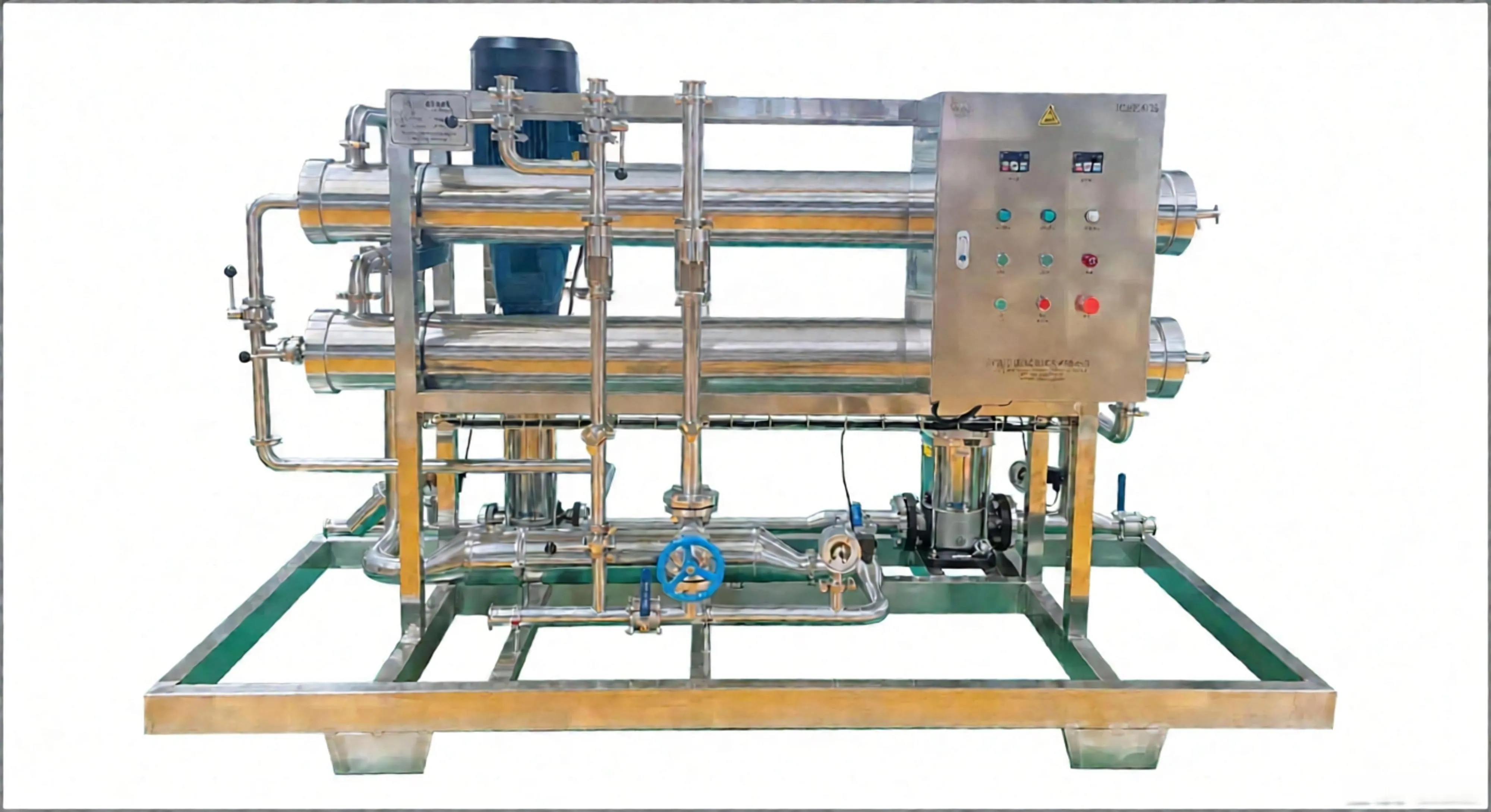
Application of Membrane Separation Technology in Soy Protein Production
With years of practical experience serving plant protein extraction manufacturers and core advantages in membrane separation technology, BluewavBio has successfully deployed membrane separation technology into soy protein production workflows.
We select appropriate membrane materials and membranes with different molecular weight cut-offs according to the molecular weight, molecular shape of soy protein and compatibility between membranes and soy protein. Ultrafiltration separation and purification are performed on crude soy protein extract to remove unwanted small molecular permeates and obtain qualified purified soy protein liquid. The refined liquid is further concentrated to target concentration via ultrafiltration and then discharged for spray drying to produce powdered isolated soy protein. The finished soy protein boasts excellent sensory properties, high protein content and superior solubility.
Soy Protein Membrane Separation Process Flow
Crude soy protein extract → Centrifugal separation → Membrane purification separation → Membrane concentration → Spray drying → Soy protein powder
Advantages of Soy Protein Membrane Separation Technology
- High-precision membrane separation thoroughly removes macromolecular tannins, pectin, pigments, foreign particles and various microorganisms that impair product quality, delivering stable finished product performance;
- Separation and concentration operate under ambient temperature, so the biological activity of protein remains nearly intact;
- Membrane dehydration simultaneously removes small-molecule inorganic salts to lower the ash content of final products;
- Membrane concentration consumes merely 30% energy of traditional thermal concentration, greatly cutting operational costs for manufacturers;
- Membrane-concentrated protein liquid features smaller volume, reducing energy consumption of the subsequent spray drying process;
- Automatic and modular design minimizes labor intensity, allows seamless integration into existing production lines and supports large-scale industrial scaling;
- The entire system is constructed with sanitary-grade materials and complies with GMP standards.
Related Application Fields
Mulberry leaf protein, forage leaf protein, soy protein, pea protein, etc.