Background Introduction
Veterinary Chinese patent medicines refer to proprietary Chinese medicines used for the clinical treatment of animal diseases in veterinary practice. They are usually composed of multiple Chinese medicinal materials with specific preventive, therapeutic or health-care effects. Chinese medicinal ingredients are chemically complex, including active components, inactive components and even toxic components. Most veterinary Chinese patent medicines are compound preparations. Retaining, further separating, purifying and concentrating active ingredients is a key research direction for improving the efficacy of veterinary Chinese patent medicines.
In the traditional extraction process of Chinese herbal medicines, processes such as water extraction and alcohol precipitation, alcohol extraction and water precipitation combined with single-effect, multi-effect concentration and vacuum reduced-pressure concentration are commonly adopted to separate, purify and concentrate extracts to obtain target active ingredients and finished products. However, traditional processes feature low filtration precision and cannot effectively remove inactive components, resulting in excessive impurities in extracts. In addition, the large volume of extracts leads to long concentration cycles. High-temperature operation causes massive decomposition of heat-sensitive active ingredients, ultimately deteriorating product quality. Therefore, energy-saving and high-quality production in the veterinary pharmaceutical industry is urgently required.
Disadvantages of Traditional Filtration and Concentration Processes for Veterinary Chinese Patent Medicines
(1) Low filtration precision fails to remove inactive components effectively, resulting in low medication safety, low filtrate clarity and frequent secondary precipitation;
(2) High consumption of filter materials, complicated operation and high labor intensity;
(3) Large volume of extracts leads to long thermal concentration cycles and low production efficiency;
(4) Large-scale thermal concentration consumes massive steam energy with high energy consumption;
(5) Severe ethanol loss during thermal concentration of ethanol extracts increases production costs.
Application of Membrane Separation Technology in Veterinary Chinese Patent Medicine Production
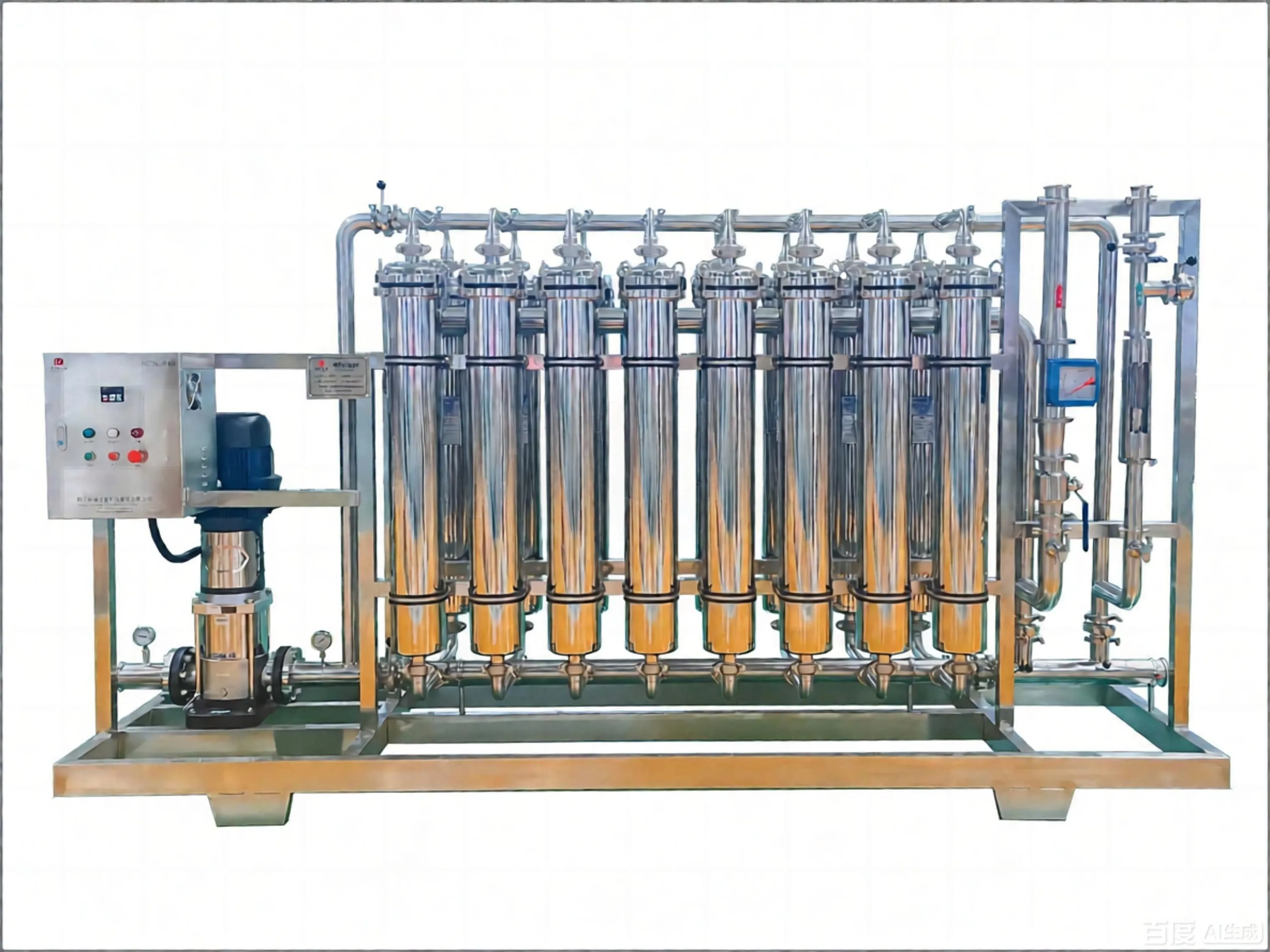
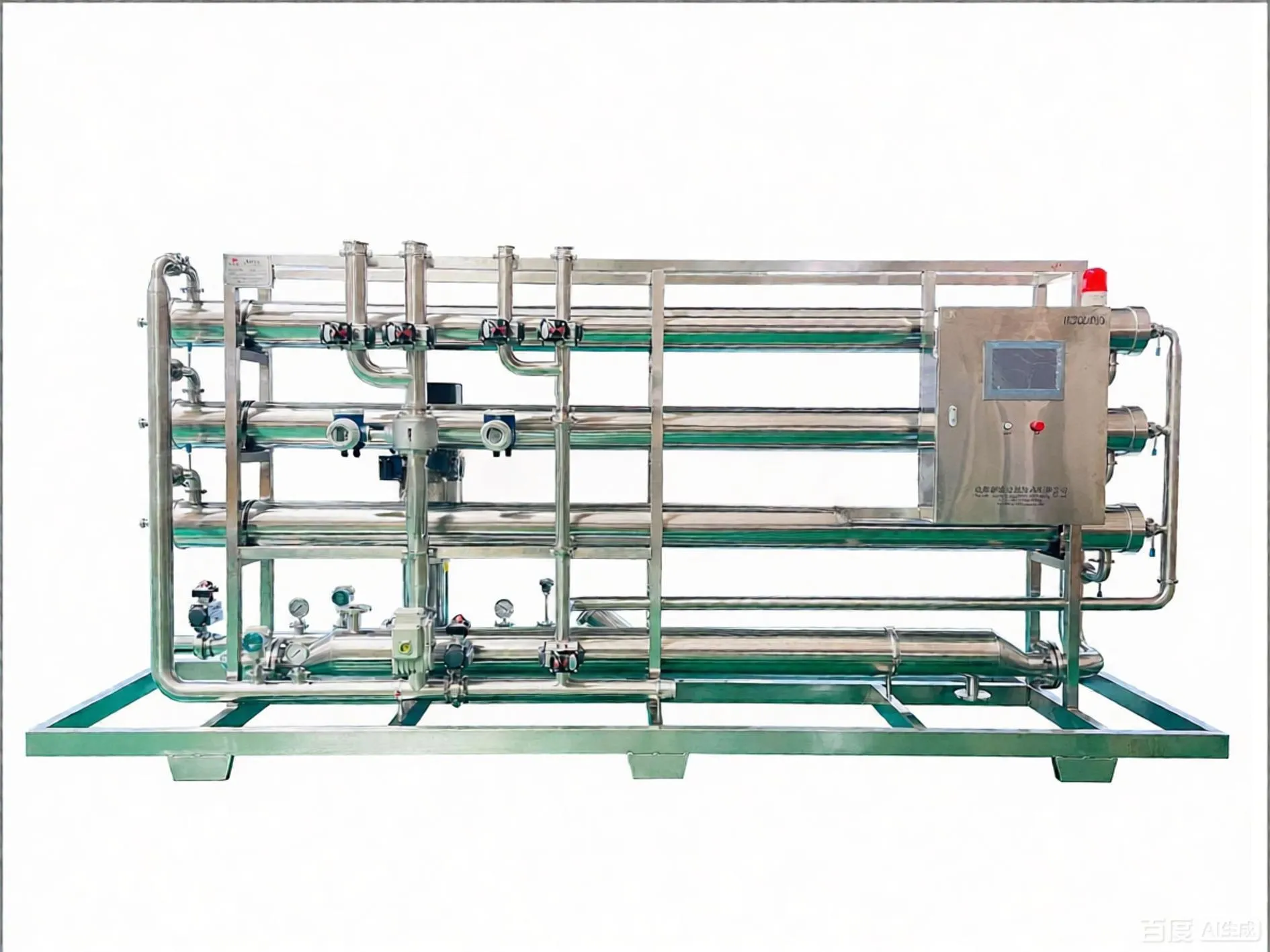
With years of practical experience serving pharmaceutical enterprises and professional advantages in membrane separation technology, BluewavBio has successfully applied membrane separation technology to the production process of veterinary Chinese patent medicines. The precise interception performance of ultrafiltration membranes separates macromolecular impurities from Chinese medicine extracts, ensuring the clarity of terminal preparations, improving product quality and extending shelf life. Furthermore, nanofiltration or reverse osmosis (RO) membranes are adopted for solvent removal and normal-temperature concentration of extracts, enabling ethanol recovery and cost reduction. At present, membrane separation technology has been widely applied in Chinese medicine preparation production.
Based on the characteristics of medicinal liquid materials, membrane separation technology selects separation membranes with different pore sizes and corresponding operating parameters according to molecular weight, molecular structure, liquid temperature, concentration, pH value and viscosity to achieve stable and consistent filtration and separation effects for different products. Following the selective sieving principle of membranes, it intercepts macromolecular impurities while allowing active Chinese medicine ingredients to pass through, so as to improve product quality.
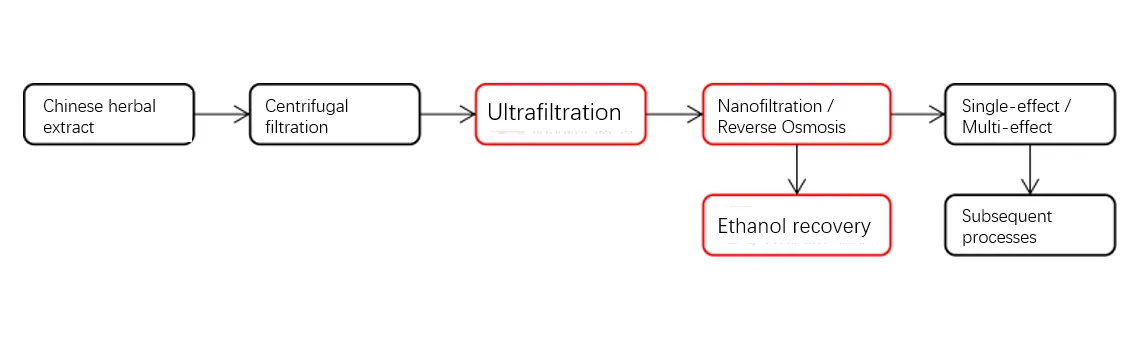
Membrane Separation Process Flow Chart for Veterinary Chinese Patent Medicines
Process Brief Introduction
Chinese medicine extracts are processed via membrane clarification filtration and normal-temperature membrane concentration to produce Chinese medicine oral liquids. Alternatively, membrane-concentrated liquids can undergo minor thermal concentration and drying to prepare solid preparations. This technology delivers high product quality, saves approximately 80% of energy consumption, reduces production costs and enhances product market competitiveness.
Advantages of Membrane Separation Technology for Veterinary Chinese Patent Medicines
(1) Adopts world-class nano membrane materials. Ultrafiltration membranes deliver strong selective separation and thorough impurity removal, producing high-clarity filtrate. It protects subsequent concentration membranes, stabilizes concentration effects and extends the service life of concentration membranes;
(2) Concentration membranes effectively retain target components and achieve concentration via solvent removal. Concentrated liquids can be directly recycled or discharged, saving water resources and reducing environmental pressure;
(3) Membrane concentration is conducted at normal temperature, reducing the decomposition loss of active ingredients caused by high temperature and ensuring stable product yield;
(4) The cost of membrane concentration is only about 1/5 of traditional thermal concentration, greatly reducing enterprise production costs;
(5) It is a pure physical process without chemical reactions, retaining complete medicinal ingredients, significantly improving product quality and enhancing veterinary medication safety;
(6) A wide range of optional membrane pore sizes and materials are available for targeted selection according to specific product properties;
(7) The membrane system features a high degree of automation controlled by PLC and frequency converters with simple operation;
(8) The entire equipment is made of sanitary-grade materials, complying with GMP certification standards.