Tea Polyphenol Membrane Separation & Low Temperature Concentration Technology
Background Introduction
Tea Polyphenols (abbreviated as GTP) are the general term for catechins, flavonoids, phenolic acids and anthocyanin compounds in tea, accounting for about 15%-25% of the dry weight of tea leaves. As an important natural antioxidant, tea polyphenols possess multiple health benefits including cardiovascular disease prevention and anti-cancer effects. Therefore, tea polyphenols extracted from summer and autumn tea are widely processed into health care products and pharmaceutical raw materials on the market. Many tea polyphenol tablets are commercially available for the auxiliary prevention of hypertension, hyperlipidemia and hyperglycemia.
Traditional extraction processes for tea polyphenols mainly include solvent extraction, ion precipitation and resin adsorption methods.
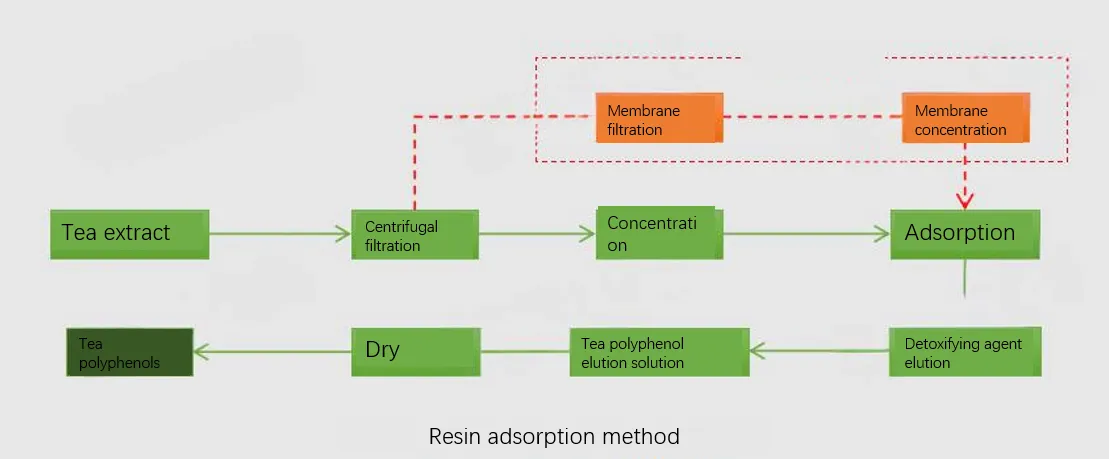
- Process flow of traditional resin adsorption method: Tea extract → Filtration → Adsorption column adsorption → Eluent elution → Recovery of tea polyphenol eluent → Drying → Tea polyphenols
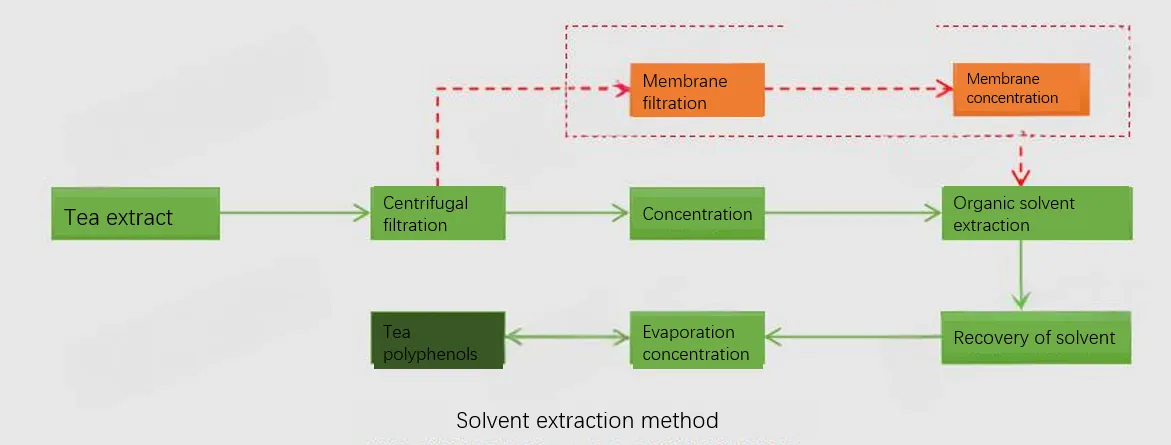
- Process flow of traditional solvent extraction method: Dry tea leaves → Leaching → Filtration → Concentration → Organic solvent extraction → Solvent recovery → Drying → Tea polyphenols
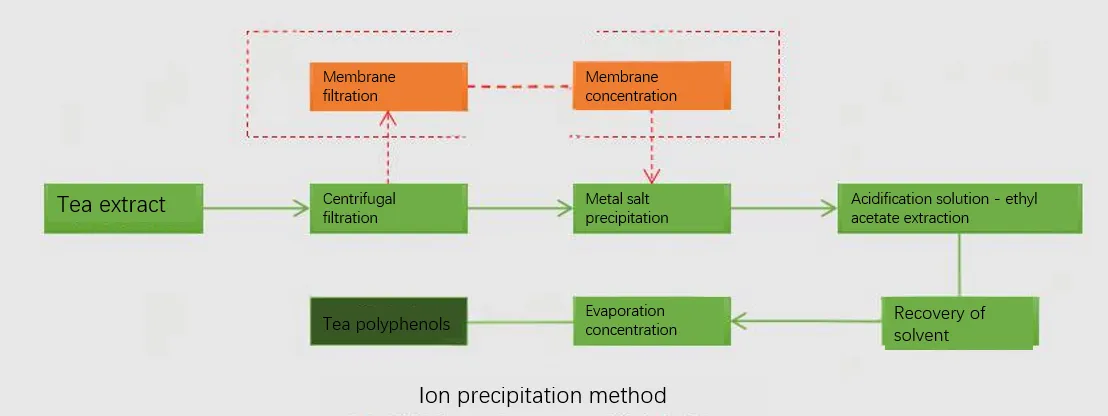
- Process flow of traditional ion precipitation method: Dry tea leaves → Leaching → Filtration → Metal salt precipitation → Ethyl acetate extraction of acidified liquid → Solvent recovery → Drying → Tea polyphenols
All three conventional processes have prominent drawbacks such as low tea polyphenol extraction yield, large solvent consumption, excessive residual solvents and severe environmental pollution.
Application of Membrane Separation Technology in Tea Polyphenol Production
With over 10 years of practical experience serving tea deep processing enterprises and proprietary advantages in membrane separation technology, BluewavBio has successfully integrated membrane separation technology into tea polyphenol production lines. Combined with low-temperature extraction technology, this process effectively prevents oxidative loss of active ingredients and boosts total yield. In the pre-treatment stage, ultrafiltration membranes purify crude tea extracts, while nanofiltration and reverse osmosis membranes perform low-temperature concentration of refined liquid to upgrade the purity and content of finished tea polyphenols.
When matched with the resin adsorption process, membrane technology extends resin service life, cuts eluent consumption and elevates adsorption efficiency. For solvent extraction and ion precipitation processes, it increases tea polyphenol extraction rate and reduces overall solvent dosage.
BluewavBio has accumulated abundant mature project cases in the tea deep processing industry, covering Yunnan, Guangxi, Guizhou, Sichuan and other provinces nationwide!
Process Flow Chart
Advantages of Membrane Concentration Technology for Tea Polyphenol Production
- Filtration membranes feature high separation precision, effectively removing macromolecular impurities such as proteins, polysaccharides and colloids to enhance the purity of tea polyphenol extracts;
- Combined membrane separation concentration and low-temperature extraction technology avoids oxidation degradation of active substances and improves product yield;
- Low-temperature membrane concentration delivers high interception rate of tea polyphenols. The permeate can be recycled, cutting wastewater discharge and water consumption costs;
- When applied to resin adsorption processes, it prolongs resin service cycles, reduces eluent dosage and improves adsorption efficiency;
- For solvent extraction and ion precipitation workflows, it raises tea polyphenol extraction rate and lowers solvent consumption;
- Adopts advanced modular design for easy filter element replacement and simple operation;
- Equipped with online regeneration cleaning and sewage discharge units to reduce labor intensity, cut production costs and improve overall productivity;
- The whole set of equipment is constructed with sanitary-grade materials and complies with GMP certification standards.