Ultrafiltration (UF) & Microfiltration (MF) Membrane Systems: The Core of Industrial Wastewater Reuse Solutions
Water scarcity, stricter environmental regulations, and rising operational costs have made wastewater reuse a strategic imperative for industries worldwide. At the heart of modern, efficient reuse strategies lie Ultrafiltration (UF) and Microfiltration (MF) membrane systems. As a leading provider of advanced membrane technology, Chlory delivers robust, high-performance UF/MF solutions designed to unlock the full potential of industrial wastewater, transforming it from a liability into a valuable, reusable resource.
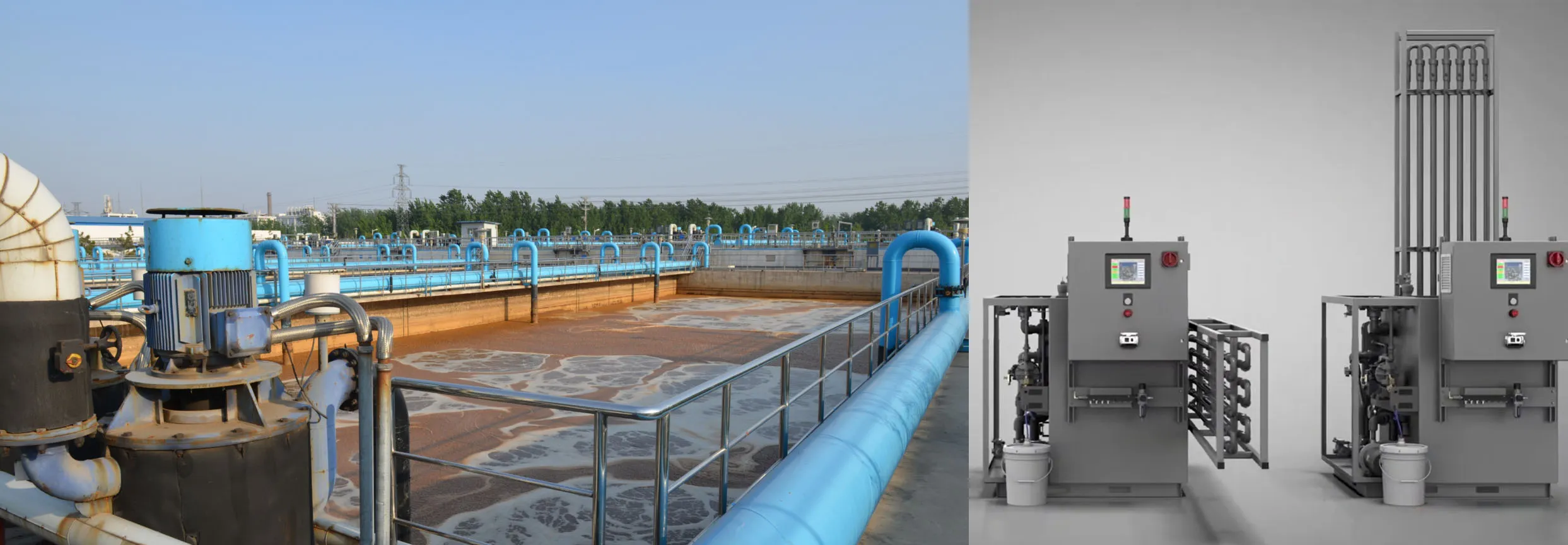
What are UF and MF Membranes? The Precision Filtration Difference
Membrane filtration is a physical separation process that uses semi-permeable membranes to remove contaminants from water. UF and MF are pressure-driven technologies defined by their pore size, making them highly effective for removing suspended and colloidal matter.
- Microfiltration (MF): Pore size ranges from 0.03 to 10 μm. Effectively removes suspended solids (SS), bacteria, algae, and large colloidal particles.
- Ultrafiltration (UF): Pore size ranges from 0.002 to 0.1 μm. Removes all MF-filtered contaminants plus viruses, macromolecules, and finer colloids, producing a higher-quality filtrate.
Both technologies operate on a cross-flow filtration principle, where feedwater flows tangentially across the membrane surface. This creates a shearing action that prevents the buildup of filtered solids (fouling), ensuring continuous, efficient operation—far superior to traditional dead-end filtration for industrial applications.
Why UF/MF is Indispensable for Industrial Wastewater Reuse
Traditional wastewater treatment methods (e.g., sedimentation, sand filtration) often fail to meet stringent reuse standards, especially for water destined for high-purity applications or as pretreatment for Reverse Osmosis (RO) systems.
Key Benefits of Chlory's UF/MF Systems:1. Superior Pretreatment for RO: UF/MF produces a consistent, high-quality filtrate (low SDI, turbidity < 0.1 NTU) that protects expensive RO membranes from fouling, scaling, and chemical degradation. This dramatically extends RO membrane life and reduces cleaning frequency by up to 70%.
2. High Reuse Rates & Water Savings: Enables recovery of 75–95% of wastewater for reuse in cooling towers, boiler feed, process water, and irrigation. This drastically reduces reliance on freshwater sources and lowers intake costs.
3. Regulatory Compliance & Discharge Reduction: Meets strict local and international discharge standards by removing pollutants like oil/grease, heavy metals, and suspended solids. Reduces or eliminates discharge fees and environmental penalties.
4. Cost-Effective Operation: Lower energy consumption compared to thermal evaporation. Reduces chemical usage for coagulation/flocculation. Minimal maintenance with automated backwashing and cleaning cycles.
5. Robust Performance in Challenging Conditions: Chlory's advanced membrane materials (e.g., modified PVDF, hydrophilic coatings) are engineered for excellent chemical resistance, pH tolerance (2–12), and temperature stability, handling high-turbidity, oily, and chemically aggressive wastewaters effectively.
Debunking the Myth: UF/MF for Oily Wastewater
A common misconception is that membranes cannot handle oily wastewater. Chlory's specialized composite membranes (hydrophobic polymer with hydrophilic inorganic fillers and anti-fouling coatings) are specifically designed to separate oil-water emulsions and free oil, resisting fouling and maintaining stable flux even in high-FOG (Fats, Oils, Grease) environments.
Core Selection Criteria for UF/MF Systems
Choosing the right system is critical for long-term success. Key factors include:
- Membrane Material: Prioritize chemically resistant, hydrophilic, and durable materials (e.g., PVDF, PES).
- Pore Size: Match to target contaminants (MF for larger particles, UF for finer filtration).
- Flux Rate: Balance productivity with fouling resistance.
- Chemical Compatibility: Ensure tolerance to cleaning chemicals and wastewater composition.
- Backwash & Cleanability: Automated backwashing and CIP (Cleaning-in-Place) capabilities reduce downtime.
Chlory: Your Trusted Partner for UF/MF Membrane Solutions
With extensive experience in membrane technology innovation and industrial wastewater treatment, Chlory provides end-to-end UF/MF solutions:
- Custom Engineering: Tailored system design for specific wastewater characteristics and reuse goals.
- High-Quality Membranes: Proprietary anti-fouling membrane elements for long life and stable performance.
- Complete System Integration: Skid-mounted units with automated controls, pretreatment, and post-treatment options.
- Expert Support: Comprehensive installation, commissioning, training, and after-sales service.
Conclusion
In an era of increasing water scarcity and environmental accountability, UF/MF membrane systems are no longer optional—they are essential for sustainable industrial wastewater management. By partnering with Chlory, industries can unlock reliable, cost-effective, and high-yield wastewater reuse, ensuring regulatory compliance, significant cost savings, and a reduced environmental footprint.
Contact Chlory today to discuss how our advanced UF/MF membrane systems can transform your wastewater into a valuable resource.