Membrane Separation Technology for Plant Extraction: Applications, Advantages, and Industry Outlook
With the rise of the global natural health industry, plant extracts, as core raw materials for functional foods, biomedicine, and cosmetics, have seen a surge in market demand, with a global compound annual growth rate (CAGR) exceeding 15%. Traditional plant extraction processes mostly rely on thermal evaporation, centrifugal filtration, alcohol precipitation, and other methods, which generally suffer from pain points such as loss of heat-sensitive components, insufficient product purity, high energy consumption, and heavy environmental pressure, making it difficult to meet the dual demands of the high-end market for extract quality and green production. Membrane separation technology, with its core advantages of physical sieving, low-temperature operation, and high efficiency and energy saving, is gradually replacing traditional processes, becoming the core driving force for the upgrading of the plant extraction industry, and also a key focus for industry practitioners and researchers.
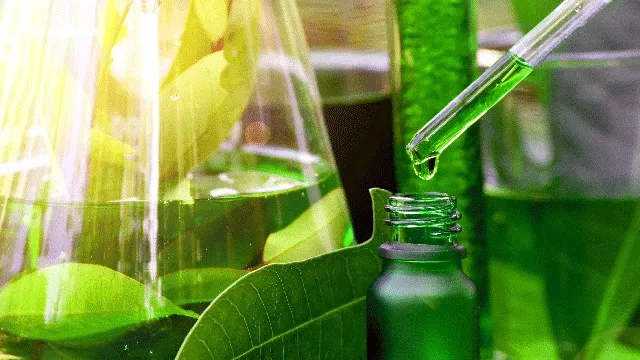
Core Principles of Membrane Separation Technology and Common Types for Plant Extraction
Membrane separation technology is a physical process that achieves the separation and enrichment of target components and impurities in plant extracts based on the selective permeability of membranes under driving forces such as pressure and concentration difference. It does not require the addition of chemical reagents throughout the process, thus maximizing the retention of natural active components in plants. Membrane separation technologies suitable for plant extraction scenarios are mainly divided into 5 types, each with targeted functions, which can be used alone or combined to form a multi-stage process chain:
1. Microfiltration (MF): Core of Pretreatment and Impurity Removal
Microfiltration membranes have a pore size range of 0.1-10μm, mainly used for the pretreatment of crude plant extracts. They can efficiently remove suspended particles, fibers, microorganisms, and macromolecular suspensions, increasing the light transmittance of the extract to more than 90% and laying a foundation for subsequent purification processes. Compared with traditional plate and frame filtration, microfiltration can reduce the pollution of subsequent membrane modules by impurities, extend the service life of equipment, and is widely used in the preliminary treatment of traditional Chinese medicine and fruit and vegetable extracts.
2. Ultrafiltration (UF): Precise Retention of Macromolecular Impurities
Ultrafiltration membranes have a molecular weight cut-off (MWCO) range of 5-100kDa, which can specifically remove macromolecular impurities such as proteins, pectin, tannins, and polysaccharides from plant extracts, while retaining small-molecule target active components (such as saponins, polyphenols, and alkaloids). In the purification of gastrodin and the treatment of ginkgo biloba extracts, ultrafiltration technology can significantly improve the separation efficiency of subsequent processes and help initially increase the purity of target components.
3. Nanofiltration (NF): Targeted Enrichment of Target Components
Nanofiltration membranes have a MWCO of 200-1000Da, with dual functions of separation and concentration. They can directionally retain target components in plants such as flavonoids, anthocyanins, and curcumin, while removing small-molecule inorganic salts and water, with a concentration multiple of 5-8 times. In the refining of natural pigments, nanofiltration technology can increase the product color value by more than 35% while avoiding component degradation caused by high-temperature concentration.
4. Reverse Osmosis (RO): Deep Dehydration and Concentration
Reverse osmosis membranes have extremely dense pores (molecular cut-off of about 100Da), which can achieve deep dehydration of plant extracts, increase the solid content to more than 30%, and greatly reduce the energy consumption of subsequent drying processes. Studies have shown that when reverse osmosis technology is used for the concentration of artichoke extracts, 10bar is the optimal operating pressure, which can efficiently enrich inulin while retaining bioactive components such as polyphenols.
5. Ceramic Membranes: Adaptation to Harsh Working Conditions
Ceramic membranes are made of inorganic ceramics, with high temperature resistance, acid and alkali resistance, and organic solvent resistance. They can withstand temperatures above 100℃, facilitating steam sterilization, and have a service life of 3-5 years. In the production of stevia extracts, ceramic membranes can efficiently remove impurities such as starch and colloids, improve the purity of stevioside, reduce the bitter taste of products, and adapt to large-scale industrial production.
Core Application Scenarios of Membrane Separation Technology in Plant Extraction
Relying on customized membrane materials and process design, membrane separation technology has been widely adapted to plant extraction needs in various fields such as traditional Chinese medicine, natural pigments, fruits and vegetables, and plant essential oils, solving core industry pain points and implementing multiple large-scale application cases.
1. Purification and Concentration of Traditional Chinese Medicine Extracts
Traditional Chinese medicine extracts contain complex active components. Traditional alcohol precipitation processes consume large amounts of solvents and cause significant component loss, while membrane separation technology can achieve integrated "low-temperature purification + high-efficiency concentration" treatment. In the extraction of ginsenosides, the combination of ultrafiltration and nanofiltration can increase the purity of ginsenosides from 75% to more than 95% and reduce solvent usage by 70%; in the treatment of honeysuckle extracts, multi-stage membrane separation processes can meet relevant traditional Chinese medicine standards while retaining flavonoid active components.
2. Refining of Natural Pigments
Natural pigments such as curcumin and anthocyanins are highly heat-sensitive, and traditional processes easily lead to color deterioration and insufficient purity. Membrane separation technology can complete refining and concentration at room temperature. For anthocyanin extraction, the reverse osmosis pre-concentration + nanofiltration refining process can achieve an anthocyanin retention rate of ≥96% and improve product stability; after refining curcumin through nanofiltration membranes, the purity can reach 98% with a significant improvement in color.
3. Extraction of Functional Components from Fruits and Vegetables
Components such as polyphenols, vitamins, and polysaccharides in fruits and vegetables are easily damaged by high temperatures, and membrane separation technology can achieve non-destructive extraction. In the concentration of blueberry and wolfberry extracts, membrane separation processes can increase the solid content to more than 20%, completely retaining the original flavor and active components of fruits and vegetables; reverse osmosis concentration technology applied to artichoke extracts can effectively enrich inulin, providing high-quality raw materials for functional food production.
4. Separation and Purification of Plant Essential Oils
Plant essential oil extraction is prone to mixing with impurities and odors, affecting product quality. Membrane separation technology can accurately remove impurities and improve aroma purity. In the treatment of peppermint and rose essential oils, multi-stage membrane separation processes can remove fat-soluble impurities and odors, optimize the taste and aroma of essential oils, and help products enter the high-end market.
Core Advantages of Membrane Separation Technology Compared with Traditional Processes
Compared with traditional plant extraction processes such as thermal evaporation, centrifugation, and alcohol precipitation, membrane separation technology has significant advantages in component retention, production efficiency, and environmental protection and energy saving due to its physical separation characteristics, becoming the core choice for industry upgrading.
- Low-Temperature Component Preservation: The entire operation temperature is ≤45℃, avoiding the degradation of heat-sensitive components such as flavonoids, polysaccharides, and anthocyanins caused by high temperatures. The retention rate of active components is as high as 98%, and the bioavailability is increased by 40%, far exceeding the 70% retention rate of traditional processes.
- High-Efficiency Purification to Improve Product Quality: Through precise molecular sieving, the impurity removal rate is ≥95%, and the product purity can be increased to more than 95%, solving the problem of insufficient purity in traditional processes and meeting the needs of the high-end market.
- Energy Saving and Cost Reduction: Energy consumption is reduced by 60%-70% compared with traditional thermal concentration, accounting for only 8%-15% of traditional processes. The solvent recovery rate is ≥80%, and the tonnage treatment cost is reduced by 50%, greatly improving the economic benefits of enterprises.
- Environmental Protection to Meet Dual Carbon Goals: Pure physical separation without adding chemical reagents eliminates solvent residues and pollution. The wastewater reuse rate is ≥80%, and COD emissions are reduced by ≥90%, helping enterprises obtain green factory certification.
- Intelligent Adaptation for Large-Scale Production: Adopting PLC automatic control, it can be remotely adjusted, with convenient operation and reduced labor costs; the modular design of equipment covers a processing capacity of 50L/h to 50 tons/hour, adapting to the full scenario from laboratory pilot tests to industrial mass production.
Challenges and Solutions of Membrane Separation Technology in Plant Extraction
Despite its significant advantages, membrane separation technology still faces challenges such as membrane fouling, high equipment costs, and insufficient technical adaptability in large-scale applications. The industry has formed targeted solutions to promote the implementation and popularization of the technology.
1. Core Challenges
Membrane fouling is the most prominent problem. Plant extracts have complex components, and substances such as colloids and proteins are likely to accumulate on the membrane surface to form a cake layer, leading to a decrease in membrane flux and affecting separation efficiency. Secondly, the high price of imported membrane materials and the initial equipment investment cost put pressure on small and medium-sized enterprises. In addition, different plant extracts have large differences in molecular weight and viscosity, resulting in insufficient adaptability of general-purpose membrane processes.
2. Solutions
To address membrane fouling, membrane flux can be restored by optimizing pretreatment processes, adopting cross-flow filtration mode, combined with regular chemical cleaning and online regeneration. For cost issues, the performance of domestic membrane materials has been continuously improved, approaching the international advanced level, which can replace imported products and reduce equipment investment costs. For adaptability issues, enterprises can provide customized services, designing membrane pore sizes and process parameters according to the characteristics of extracts to achieve precise separation.
Industry Outlook of Membrane Separation Technology in Plant Extraction
With the continuous heating of the natural health industry, the market demand for plant extracts will continue to grow, and membrane separation technology is developing towards intelligence, integration, and greenization. In the future, the development of new membrane materials (such as nanocomposite membranes and functional ceramic membranes) will further improve separation efficiency and membrane life; the integrated application of membrane technology with supercritical extraction, biological fermentation, and other technologies will realize the upgrading of the entire plant extraction process; at the same time, the in-depth application of intelligent control technology will realize remote monitoring and automatic parameter optimization of the membrane separation process, improving production efficiency.
In addition, with the advancement of the "dual carbon" goal, green production has become an industry consensus. The energy-saving and environmental protection advantages of membrane separation technology will be further highlighted, gradually replacing traditional high-pollution processes and covering more plant extraction scenarios. It is estimated that by 2025, the application ratio of membrane separation technology in the concentration of plant extracts in China will increase to more than 70%, and the market scale will exceed 6 billion yuan, injecting new momentum into the high-quality development of the plant extraction industry.
Conclusion
Taking physical separation as the core, membrane separation technology solves the pain points of active component loss, insufficient purity, high energy consumption, and high emissions in traditional plant extraction. With the advantages of low-temperature component preservation, high-efficiency purification, energy saving, and environmental protection, it has become the core supporting technology for the modernization of traditional Chinese medicine and the production of natural health products. From laboratory pilot tests to industrial mass production, and from single membrane processes to integrated solutions, membrane separation technology is gradually adapting to plant extraction needs in various fields, driving the industry towards efficient, green, and high-value transformation. In the future, with technological innovation and cost optimization, membrane separation technology will be more widely applied in the field of plant extraction, unlocking the pure power of natural plants and helping the upgrading of the global health industry.