Ceramic Membranes for Water Treatment: High Performance, Long Life & Low Costs
In the global pursuit of clean water solutions, microfiltration (MF) and ultrafiltration (UF) have emerged as cornerstone technologies in water treatment. These processes rely on semipermeable membranes to trap contaminants, but the choice of membrane material—paired with pore size design—directly impacts performance, operational efficiency, and long-term costs. For industries and municipalities seeking a reliable, cost-effective solution,ceramic membranesstand out as a game-changer, offering unmatched durability, high filtration efficiency, and reduced operating expenses.
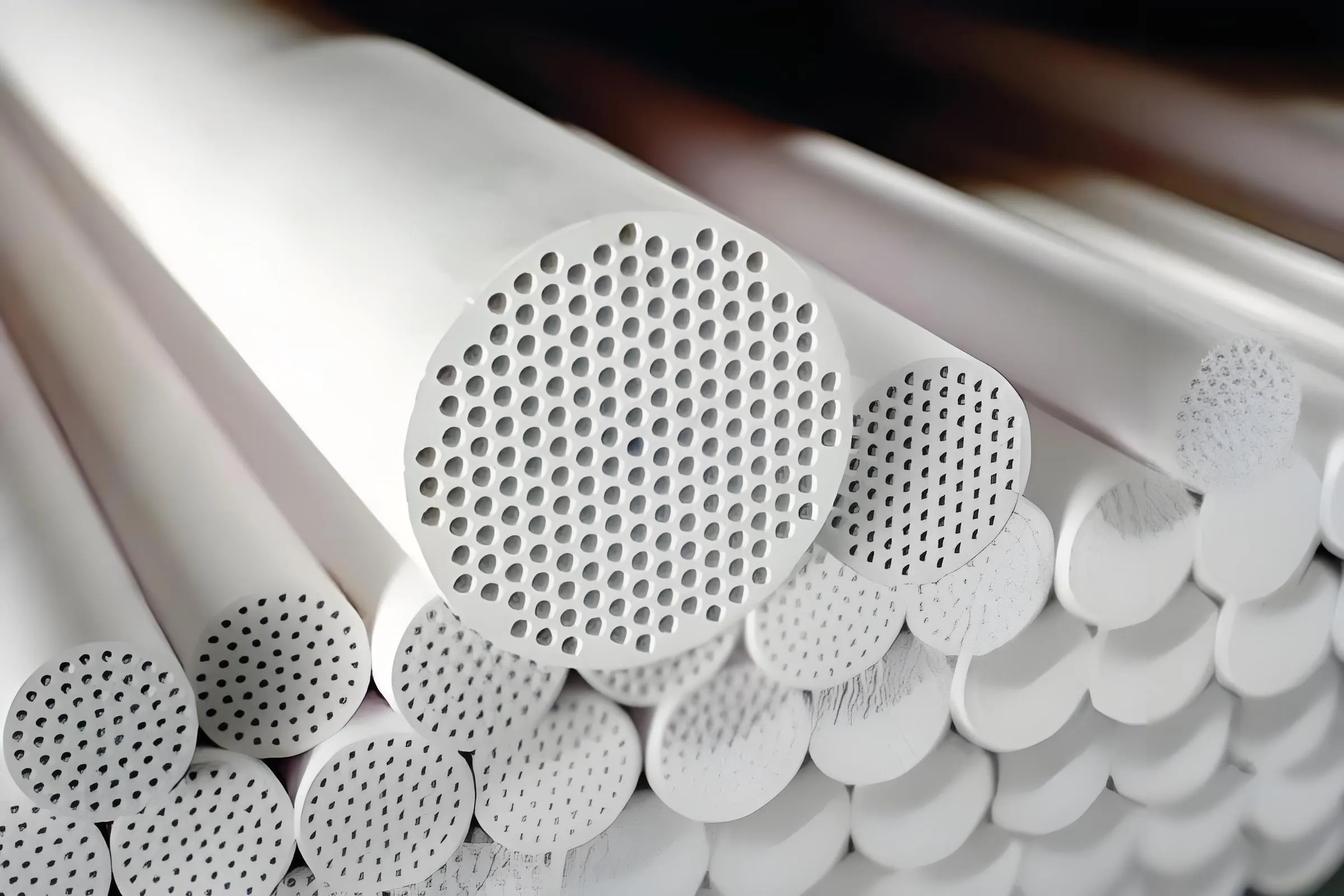
What Makes Ceramic Membranes a Top Choice for Water Treatment?
Ceramic membranes address the key pain points of traditional membrane materials (such as polymeric membranes) by combining three critical advantages:
1. Superior Filtration Performance
Ceramic membranes feature uniform, precise pore structures that range from microfiltration to ultrafiltration scales. This consistency ensures thorough removal of suspended solids, bacteria, viruses, and colloidal particles—delivering high-quality treated water that meets strict regulatory standards. Whether used for municipal drinking water purification, industrial wastewater recycling, or specialty applications like pharmaceutical water treatment, ceramic membranes maintain stable flux rates even in complex water matrices.
2. Exceptional Longevity & Durability
Unlike polymeric membranes that are prone to degradation from high temperatures, harsh chemicals, or biological fouling, ceramic membranes are made from inert materials (e.g., alumina, zirconia, or titania). These materials resist corrosion, tolerate pH extremes (typically 1–14), and withstand high operating temperatures (up to 150°C). As a result, ceramic membranes have a service life of 10–15 years—far longer than the 3–5 years of most polymeric alternatives—reducing the frequency of membrane replacement and associated downtime.
3. Lower Total Operating Costs
While the initial investment in ceramic membranes may be higher than polymeric options, their long lifespan and low maintenance requirements drive significant cost savings over time. Ceramic membranes are easy to clean (via chemical backwashing or steam sterilization) and require fewer replacements, cutting down on labor, material, and disposal costs. Additionally, their high flux rates enable smaller system footprints, reducing energy consumption and facility costs for large-scale water treatment projects.
Ceramic Membranes vs Polymeric Membranes
| Item | Ceramic Membrane | Polymeric Membrane |
|---|---|---|
| Service Life | 10‑15 years | 3‑5 years |
| pH Tolerance | 1‑14 | Typically 2‑12 |
| Max Operating Temperature | Up to 150°C | Below 60‑80°C |
| Chemical Resistance | Excellent, resistant to strong acid/alkali cleaning | Moderate, vulnerable to aggressive chemicals |
| Up‑front Cost | Higher capital cost | Lower initial investment |
| Total Operating Cost | Low (few replacements, low downtime) | Higher (frequent replacement) |
| Cleaning Method | Chemical backwashing, steam sterilization | Chemical cleaning only, limited sanitization options |
Industry Expertise: BluewavBio Ceramic Membrane Efficacy
For nearly 20years, BluewavBio has been a leader in developing innovative water treatment technologies and systems. The company’s deep expertise in membrane applications has solidified its trust in ceramic membranes as a reliable solution for diverse water treatment needs.BluewavBio emphasized the practical benefits of ceramic membranes in real-world scenarios:
“Ceramic membranes align with the industry's demand for efficiency and sustainability,” BluewavBio market mannagernoted. “Our clients—from small municipalities to large industrial facilities—value their ability to perform consistently in challenging conditions, while keeping long-term operational costs in check. Their durability and low maintenance make them a smart investment for any water treatment project focused on reliability.”
BluewavBio's endorsement underscores the credibility of ceramic membranes, as the company’s decades of experience in water treatment validate their performance across municipal, industrial, and commercial applications.
Applications of Ceramic Membranes Across Sectors
Ceramic membranes’ versatility makes them suitable for a wide range of water treatment use cases:
- Municipal Water Treatment: Purifying drinking water by removing pathogens and turbidity, ensuring compliance with safety standards.
- Industrial Wastewater Treatment: Treating wastewater from food and beverage, chemical, and pharmaceutical industries for reuse or safe discharge.
- Groundwater Remediation: Removing contaminants like arsenic, iron, and manganese from groundwater sources.
- Desalination Pretreatment: Enhancing the efficiency of reverse osmosis (RO) systems by reducing fouling and extending RO membrane life.
Why Ceramic Membranes Are Gaining Traction in Driven Water Treatment Searches
As businesses and governments prioritize sustainable, cost-effective water solutions, searches for “high-performance water treatment membranes,” “long-life ceramic membranes,” and “low operating cost water filtration” are on the rise. Ceramic membranes directly address these search intents by offering a holistic solution that balances performance, durability, and affordability—key factors for decision-makers researching water treatment technologies.
Moreover, their alignment with environmental sustainability goals (reduced waste from membrane replacements, lower energy use) resonates with the growing demand for eco-friendly water treatment options, further boosting their relevance in search results.
The Future of Water Treatment: Ceramic Membranes Lead the Way
With stricter environmental regulations and increasing water scarcity, the need for efficient, long-lasting water treatment solutions will only grow. Ceramic membranes, backed by industry leaders like Aqua-Aerobic Systems, are poised to become the gold standard in membrane-based water treatment. Their ability to deliver consistent performance, reduce lifecycle costs, and adapt to diverse applications makes them an indispensable tool for ensuring clean, accessible water worldwide.
For water treatment professionals, municipalities, and industrial facilities looking to upgrade their systems, ceramic membranes offer a proven, future-ready solution—one that delivers value today and sustainability tomorrow.
Looking for reliable ceramic‑membrane water‑treatment solutions for your project? [Contact BluewavBio] to get technical support and quotation.
FAQ
Q1: What is the service life of ceramic water treatment membranes?
A1: Properly operated ceramic membranes achieve a service life of 10‑15 years, much longer than 3‑5 years for most polymeric membrane alternatives.
Q2: What pH and temperature can ceramic membranes withstand?
A2: Ceramic membranes tolerate pH ranging from 1‑14 and operating temperature up to 150 °C, supporting harsh chemical cleaning and steam sterilization.
Q3: Are ceramic membranes more cost‑effective than polymeric membranes?
A3: Ceramic membranes have higher upfront investment, yet lower total operating cost thanks to long lifespan, fewer replacements and reduced maintenance & disposal expenses.
Q4: What applications are ceramic membranes suitable for?
A4: Municipal drinking water purification, industrial wastewater treatment & reuse, groundwater remediation and RO desalination pretreatment.
Q5: What contaminants can ceramic membranes remove?
A5: They effectively remove suspended solids, colloids, bacteria and viruses to meet strict water‑quality regulatory standards.