Natural Plant Pigment Membrane Separation & Low Temperature Concentration Equipment
Background Introduction
Natural pigments deliver soft and natural coloring effects. They enrich color tones and maintain a natural visual appearance. However, natural pigments exist in low concentrations within plant tissues, bringing difficulties to separation and purification. Some coexisting substances may generate peculiar odors, resulting in higher production costs compared with synthetic pigments.
Crude plant pigment extracts contain numerous impurities. Such pigments are sensitive to light, heat, oxygen, microorganisms, metal ions and pH fluctuations, leading to poor stability. During practical application, oxidants and stabilizers have to be added to extend the shelf life of finished products. Therefore, deep purification and refinement of natural pigments have become an urgent industrial problem to resolve.
Disadvantages of Traditional Natural Pigment Extraction Processes
- Traditional plate-and-frame filtration or centrifugal filtration cannot thoroughly remove suspended solids, plant fibers, pectin, proteins, tannins and other impurities from pigment extracts, resulting in poor pigment stability;
- Insufficient filtration effect increases the load of subsequent processing steps;
- Thermal concentration under high temperature decomposes and damages pigment molecules, deteriorating final product quality;
- Long production cycles, high energy consumption, low product yield, low purity and poor quality weaken enterprises’ market competitiveness.
Application of Membrane Separation Technology in Natural Pigment Extraction
With years of practical experience serving natural pigment manufacturers and core advantages in membrane separation technology, Hecheng Filtration has successfully introduced membrane separation technology into natural pigment extraction workflows. Ultrafiltration membranes accurately intercept macromolecular impurities to boost pigment yield, purity and stability. Combined with nanofiltration membranes for dehydration and concentration, the pigment extract can be concentrated multiple times at ambient temperature while removing small-molecule impurities.
Hecheng Filtration provides the following free services for clients:
- Free small-scale lab trials for customers’ raw materials to verify process feasibility;
- Free process optimization suggestions and design references for existing natural pigment extraction production lines.
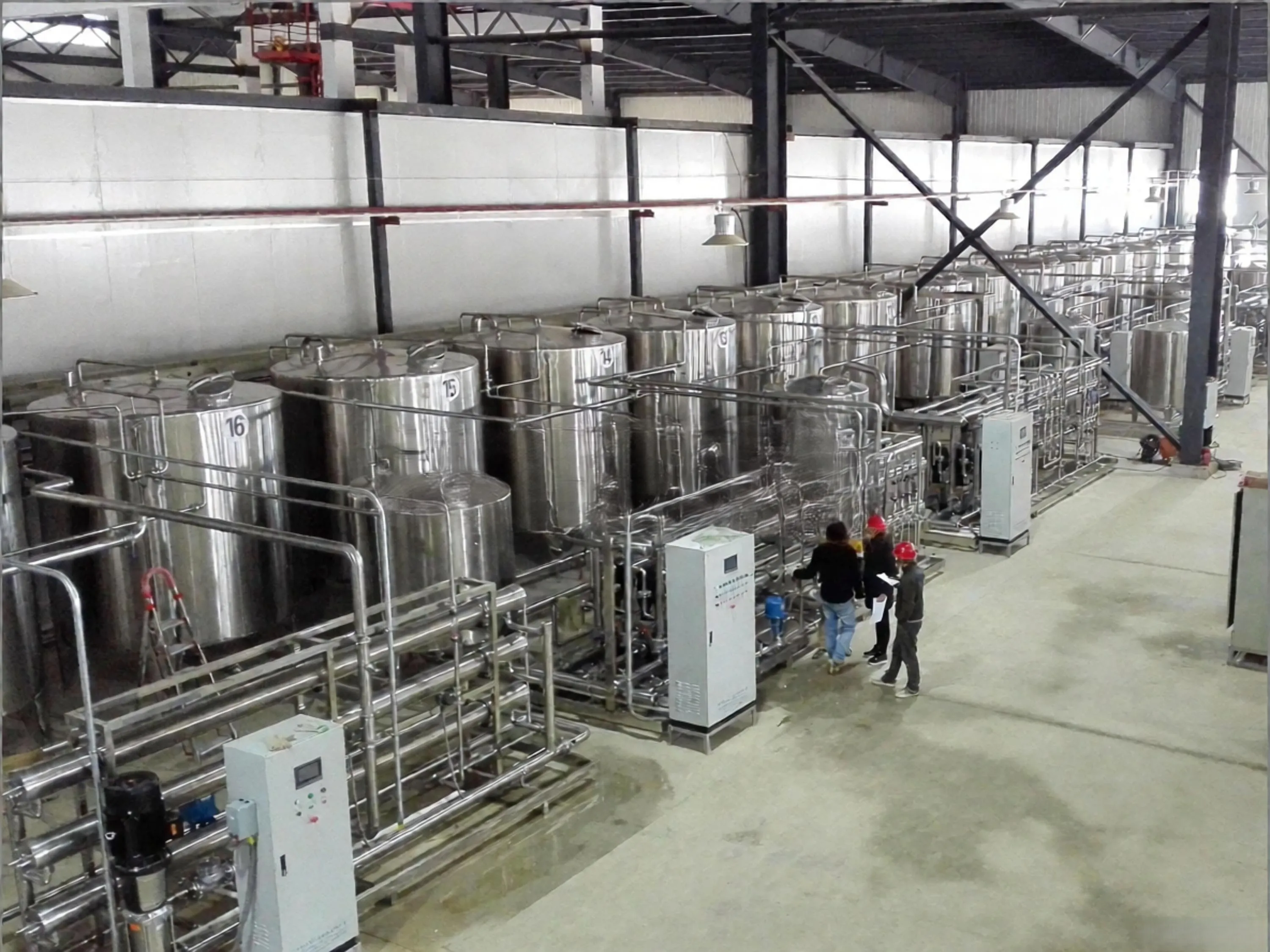
Membrane Separation & Concentration Process for Natural Pigments

Advantages of Membrane Separation Technology for Natural Pigments
- Ultrafiltration membranes feature high filtration precision to effectively eliminate macromolecular impurities and improve the purity of pigment extracts;
- The membrane process recovers residual pigments in supernatant, lifting overall yield by over 20%;
- Concentration membranes realize pre-concentration at room temperature, avoiding pigment degradation caused by thermal evaporation and upgrading finished product quality;
- Nanofiltration membranes remove small-molecule impurities during dehydration for further quality improvement;
- The pigment concentrate can reach a solid content of 20–30%. Only electric pressure boosting is required, consuming merely 1/3 of the energy of traditional thermal concentration;
- Highly purified and concentrated membrane-treated extracts significantly raise the yield of downstream procedures;
- Reduced volume of membrane-concentrated liquid cuts energy consumption in subsequent drying processes;
- Automatic and modular design lowers labor intensity, allows seamless integration into existing production lines and supports scalable mass production;
- The entire system adopts sanitary-grade 304 / 316L stainless steel, complying with QS and GMP standards.
Typical Applications
Curcumin, red cabbage pigment, gardenia yellow pigment, gardenia blue pigment, monascus red pigment, cocoa pigment, safflower yellow pigment, lycopene, capsanthin, zeaxanthin, purple sweet potato pigment, grape skin anthocyanin pigment, etc.