Membrane Separation for Soap Production: Quality, Cost & Environmental Solution
Against the backdrop of the global daily chemical industry's pursuit of green transformation and quality upgrading, the soap production industry is facing core pain points such as low raw material utilization, excessive wastewater discharge, and insufficient product purity. As an efficient, energy-saving, and environmentally friendly new separation technology, membrane separation technology, with its advantages of selective permeability and continuous operation, has gradually replaced traditional filtration and salting-out processes, and is widely used in the entire process of soap production, becoming a key support for promoting the high-quality development of the industry. This article will detail the application scenarios, core advantages, practical cases, and technology selection of membrane separation technology in soap production, helping soap production enterprises achieve cost reduction, efficiency improvement, and green compliance.
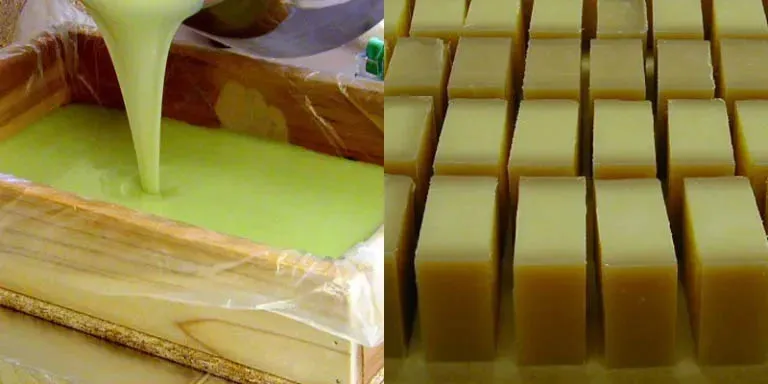
What is Membrane Separation Technology in Soap Production?
Membrane separation technology is a technology that uses selectively permeable membranes to achieve efficient separation and purification of different components (such as oils and fats, soap base, glycerin, impurities, water, etc.) in soap production under the action of driving forces such as pressure and concentration difference. Compared with traditional separation processes, membrane separation technology does not require the addition of chemical reagents, has low energy consumption, simple operation, and can realize resource recovery and wastewater reuse, perfectly meeting the development needs of the modern soap industry for "green production and quality first".
In soap production, the commonly used membrane separation technologies mainly include microfiltration (MF), ultrafiltration (UF), nanofiltration (NF), reverse osmosis (RO), and ceramic membrane separation technology. Different technologies form complementary and coordinated integrated processes according to separation accuracy and application scenarios, covering the entire process from raw material pretreatment to wastewater treatment.
Core Application Scenarios of Membrane Separation Technology in the Soap Production Industry
Membrane separation technology is not only applied to a single link in soap production, but runs through the four core sections of raw material pretreatment, saponification reaction, product refining, and wastewater treatment. Each link can specifically solve the pain points of traditional processes and improve production efficiency and product quality.
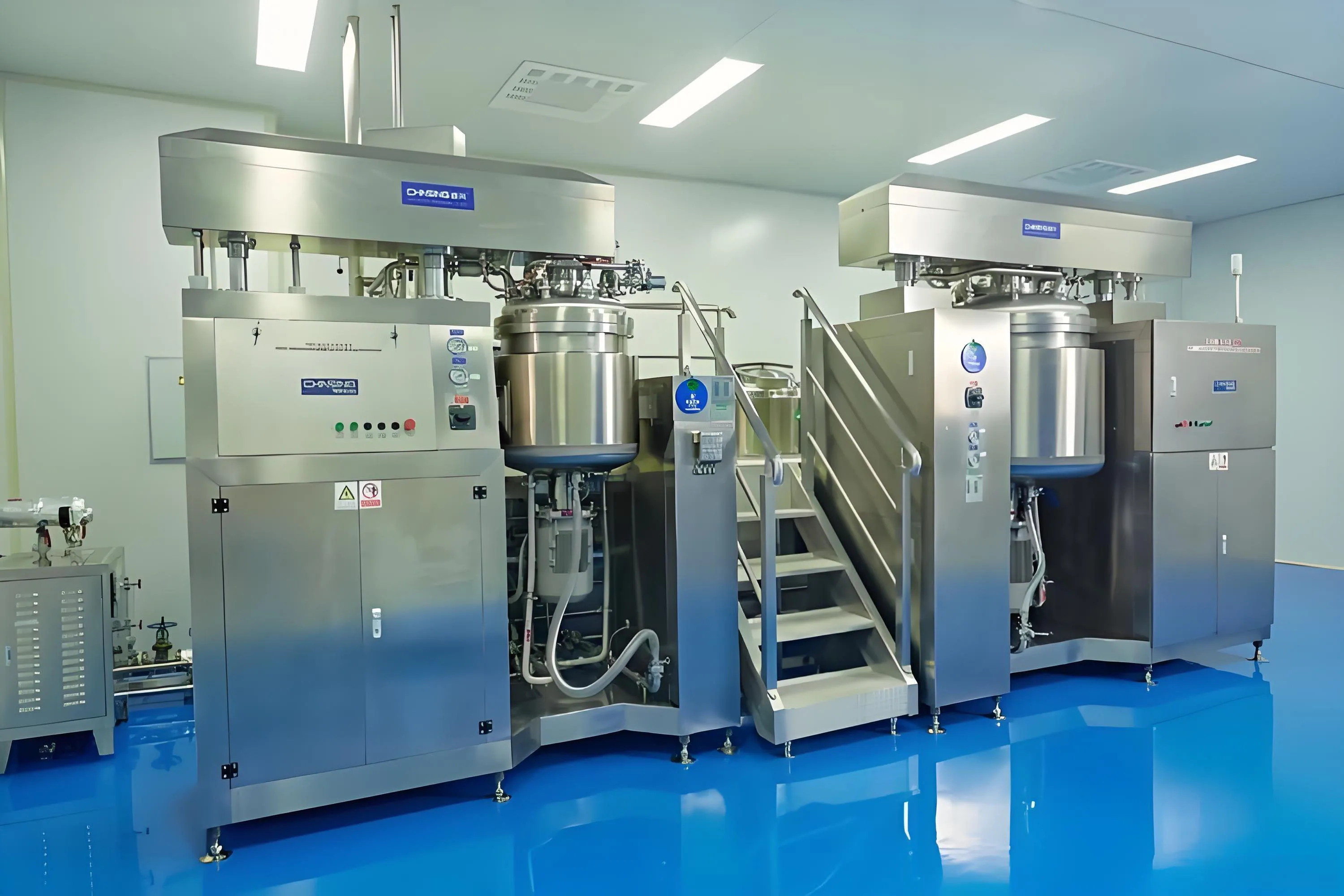
1. Raw Oil Pretreatment: Improve Saponification Efficiency and Reduce Impurity Interference
The core raw materials for soap production are animal and plant crude oils (such as palm oil, soybean oil, camellia seed cake extract, etc.). These raw materials usually contain impurities such as gums, proteins, suspended solids, free fatty acids, and pigments. If not effectively treated, it will lead to insufficient saponification reaction, low soap base purity, and black spots or turbidity in the finished products.
The application of membrane separation technology in this link mainly focuses on microfiltration (MF) and ultrafiltration (UF):
- Microfiltration (MF): Ceramic membranes or PVDF membranes are used to remove suspended solids, mechanical impurities, and part of colloids in crude oil. The impurity removal rate can reach more than 99%, which effectively avoids membrane clogging and abnormal saponification reaction in subsequent processes. It is especially suitable for the pretreatment of natural camellia saponin raw materials, which can retain the bioactive components in the raw materials.
- Ultrafiltration (UF): It further removes gums, proteins, and macromolecular impurities in crude oil, improves the purity and stability of raw oil, reduces the alkali consumption in the subsequent alkali refining and saponification processes, reduces the generation of soap stock, and lays a foundation for the production of high-quality soap base. At the same time, ultrafiltration can be combined with biological fermentation technology to efficiently separate tea saponin from fermentation broth and retain beneficial components such as camellia polypeptides.
2. Saponification Reaction and Separation: Promote the Forward Reaction and Recover High-Value By-Products
Saponification reaction is the core link of soap production. The traditional process uses salting-out method to separate soap base and glycerin, which not only has high salt consumption and serious glycerin loss, but also produces a large amount of high-salt wastewater, increasing the cost of environmental protection treatment. Membrane separation technology completely solves this pain point through the combination of membrane reactor, ultrafiltration (UF) and nanofiltration (NF).
- Membrane reactor: It couples saponification reaction with membrane separation, and continuously removes by-products (glycerin, water) during the reaction. According to Le Chatelier's principle, it promotes the forward progress of saponification reaction, and greatly improves the oil conversion rate and soap base yield. It is especially suitable for the process of preparing soap from waste edible oil, which can effectively separate soaps and glycerides and ensure that the products meet industry standards.
- Ultrafiltration (UF) + Nanofiltration (NF) Integration: After the saponification reaction is completed, the ultrafiltration membrane retains soap gel and unreacted oils and fats, allowing glycerin and water to pass through; the nanofiltration membrane further concentrates glycerin to achieve efficient recovery of glycerin, with a recovery rate of more than 95%. The recovered glycerin can be used as raw material in cosmetics, pharmaceuticals and other industries, adding by-product benefits. At the same time, this process does not require the addition of salt, saves 60%-90% of water, and reduces wastewater pollution from the source.
3. Product Refining: Improve Soap Purity and Quality to Meet High-End Demands
With the continuous improvement of consumers' requirements for soap quality, the market demand for high-end products such as transparent soap, liquid soap, and baby-specific soap is increasing. Such products have extremely high requirements for purity, transparency, and mildness, which are difficult to meet by traditional refining processes. Membrane separation technology realizes deep purification and refining of soap through the application of nanofiltration (NF) and reverse osmosis (RO).
- Nanofiltration (NF): It is used for decolorization and desalination of soap, removing small molecular pigments, salts, and residual impurities in soap base, significantly improving the transparency of soap, and at the same time retaining beneficial components in soap base (such as camellia amide, organosilicon, etc.), improving the moisturizing and antibacterial effects of products, and is suitable for the production of soap for sensitive skin and babies.
- Reverse Osmosis (RO): For high-end transparent soap and liquid soap, it performs deep desalination and small molecular impurity removal treatment, making the salt content of soap base less than 50ppm, meeting cosmetic-grade standards, and at the same time improving the stability and shelf life of products, helping enterprises build a high-end product matrix and enhance market competitiveness.
4. Wastewater Treatment and Resource Recovery: Achieve Green Production and Reduce Environmental Pressure
A large amount of wastewater with high COD, high oil and fat, and high salt content is generated in the soap production process. The traditional biochemical treatment process is difficult to meet the discharge standard, and the treatment cost is high and resources are seriously wasted. Membrane separation technology realizes the up-to-standard discharge and resource utilization of wastewater through the integrated process of "ultrafiltration + nanofiltration + reverse osmosis" or "ceramic membrane + RO", which is in line with the requirements of global environmental protection policies.
- Ceramic Membrane + Reverse Osmosis (RO): Ceramic membranes have the advantages of alkali resistance and pollution resistance, which can effectively remove oils, soap particles and other impurities in wastewater. The oil recovery rate can reach more than 98%, and the recovered oil can be reused in production; RO membranes further treat wastewater, making the effluent COD lower than 58mg/L, far below the discharge standard, and the reuse rate can reach more than 85%, realizing the recycling of water resources.
- Ultrafiltration (UF) + Electrodialysis (ED) + RO: For high-salt and high-COD saponification wastewater, suspended solids are removed by ultrafiltration, salts are separated by electrodialysis, and deep treatment is realized by RO, finally achieving zero wastewater discharge. At the same time, high-concentration salts such as calcium chloride are recovered and made into industrial salt or snow-melting agent, turning waste into treasure, and greatly reducing the environmental protection treatment cost and energy consumption of enterprises.
Core Advantages of Membrane Separation Technology in Soap Production (vs Traditional Processes)
Compared with traditional processes such as sedimentation, filtration, salting-out, and centrifugation, membrane separation technology has significant advantages in soap production, which can not only improve product quality, but also reduce production costs and environmental pressure. The specific advantages are as follows:
- Quality Improvement and Efficiency Enhancement: Effectively remove impurities in raw materials and products, increase soap base purity to more than 99.5%, avoid black spots and turbidity in finished products, and at the same time promote the forward progress of saponification reaction, increase oil conversion rate by 10%-15%, realize continuous production, and reduce labor costs by 50%.
- Cost Reduction and Energy Saving: No need to add chemical reagents such as salt and activated carbon, save 60%-90% of water and more than 80% of salt, reduce energy consumption by 40% compared with traditional processes, and at the same time recover high-value by-products such as glycerin and oil, add enterprise benefits, and shorten the investment return cycle.
- Green and Environmental Protection: Reduce the use of chemical reagents and wastewater discharge, the wastewater reuse rate can reach more than 85%, and some projects achieve zero discharge. The COD removal rate exceeds 90%, meeting EU, domestic and other environmental protection standards, helping enterprises achieve green transformation and avoid the risk of environmental fines.
- Simple Operation: The membrane separation system has a high degree of automation, can realize 24-hour continuous operation, covers a small area, and the membrane modules can be cleaned and reused repeatedly, with a long service life, which reduces the operation and maintenance cost and operation difficulty of enterprises, and solves the problems of low filtration efficiency and frequent shutdown for cleaning in traditional processes.
- Wide Adaptability: It can be applied to the production of various soaps such as animal and plant oil soap, natural soap, transparent soap, and liquid soap, and is also suitable for production enterprises of different scales (from 50,000 tons to more than 100,000 tons per year). The process parameters can be flexibly adjusted to meet different production needs.
Application Cases of Membrane Separation Technology in Global Soap Production Enterprises (Verifiable)
The application of membrane separation technology in soap production is very mature. Many large daily chemical enterprises and soap factories at home and abroad have successfully launched related projects, achieving the multiple goals of quality improvement, cost reduction, and environmental protection. The following are 4 typical cases for industry reference:
Case 1: Large Chinese Daily Chemical Group (100,000 Tons/Year Soap Base)
Enterprise Pain Points: The traditional salting-out method is used to produce soap base, which has high salt consumption, serious glycerin loss, excessive wastewater COD, insufficient soap base purity, and affects the production of high-end products.
Application Process: UF + NF integrated membrane system, combined with ceramic membrane for raw oil pretreatment.
Application Effects: The soap base purity is increased to 99.5%, the glycerin recovery rate is >95%, water is saved by 60%, salt is saved by 80%, and wastewater COD is reduced by 70%. A series of high-end transparent soaps have been successfully launched, the market share has been significantly improved, and the environmental protection treatment cost has been reduced by 30% at the same time.
Case 2: Southeast Asian Export-Oriented Soap Factory (50,000 Tons/Year Natural Soap)
Enterprise Pain Points: The raw oil has many impurities, the finished soap has black spots and low transparency, the wastewater discharge does not meet the standard, it cannot meet the EU export standards, and faces the risk of order loss.
Application Process: Ceramic MF + UF raw material pretreatment + RO wastewater reuse system.
Application Effects: The impurity removal rate of raw oil is >99%, the finished soap has no black spots and significantly improved transparency, the wastewater reuse rate is >85%, the water consumption per ton of soap is reduced from 30 tons to 4 tons, it has successfully passed the EU environmental protection certification, stabilized overseas orders, and the investment return cycle is only 8 months.
Case 3: European High-End Soap Base Factory (Supplying Luxury Cosmetics and Personal Care Brands)
Enterprise Goal: Realize continuous production, improve soap base purity, reduce energy consumption, meet cosmetic-grade standards, and create high-end soap base products.
Application Process: Full-process membrane separation (MF→UF→NF→RO), integrated membrane reactor.
Application Effects: 24-hour continuous production is realized, labor costs are reduced by 50%, soap base salt content is <50ppm, meeting cosmetic-grade standards, energy consumption is reduced by 40% compared with traditional processes, carbon footprint is significantly reduced, and it has become a core soap base supplier for luxury cosmetics and personal care brands.
Case 4: Large American Soap Manufacturer (World-Famous Daily Chemical Brand)
Enterprise Pain Points: The traditional filtration process is outdated, brown spots are generated due to improper glycerin heating, and soap needs to be frequently sent back to the production line for reprocessing, which is inefficient, high-cost, and affects product purity and production progress.
Application Process: Eaton DCF-800 mechanical self-cleaning filtration system (membrane separation integrated equipment).
Application Effects: The problem of brown spots on soap is completely solved, no rework is needed, the soap purity is stably reached 99.44%, the production efficiency is increased by 30%, the labor and rework costs are greatly reduced, and the investment return is quickly realized.
Key Selection and Operation Points of Membrane Separation Technology in Soap Production
The application effect of membrane separation technology is crucial to membrane material selection, process parameter control, and membrane cleaning and maintenance. Combined with the alkaline, high-oil, and high-pollution characteristics of soap production, the following are practical points to help enterprises avoid application risks:
1. Membrane Material Selection (Core Key)
The soap production environment is mostly alkaline (pH 8-12), and contains a lot of pollutants such as oil and soap gel. Therefore, the membrane material must have the characteristics of alkali resistance, oil resistance, and pollution resistance. The following materials are preferred:
- Ceramic Membrane: It is acid and alkali resistant, high temperature resistant (can withstand 40-60℃ operating temperature), and has strong pollution resistance. It is suitable for raw material pretreatment and high-concentration soap-containing wastewater treatment. It has a long service life and good flux recovery after cleaning. It is especially suitable for treating fermentation liquid raw materials containing inorganic silicon.
- Polyvinylidene Fluoride (PVDF), Polyethersulfone (PES): They have excellent alkali resistance and strong pollution resistance, and are suitable for ultrafiltration and nanofiltration links. They can effectively retain soap gel, proteins and other impurities, and are easy to clean and maintain. They are suitable for refined separation scenarios such as methionine saponification liquid decolorization.
2. Key Operation Parameter Control
- Temperature: Controlled at 40-60℃ to avoid membrane material aging and soap gel scaling caused by high temperature, and at the same time ensure saponification reaction and separation efficiency, and avoid glycerin deterioration and impurity generation caused by excessive temperature.
- pH Value: Maintained at 8-12 to adapt to the alkaline environment of soap production, avoid membrane module damage caused by too high or too low pH, and pay special attention to the pH control (10-11) of special raw materials such as methionine saponification liquid.
- Operating Pressure: Adjusted according to the membrane type. Microfiltration/ultrafiltration is 0.1-0.3MPa, nanofiltration is 0.3-0.5MPa, and reverse osmosis is 1.0-1.5MPa. Excessively high pressure is easy to cause membrane damage, and too low pressure will affect separation efficiency.
3. Membrane Cleaning and Maintenance
After long-term use, membrane modules will have problems such as pollution and flux decline, which need regular cleaning and maintenance to extend the membrane life:
- Cleaning Cycle: According to the production load, online cleaning is performed every 1-3 days, and offline deep cleaning is performed every 15-30 days.
- Cleaning Reagents: Alkali solution (such as sodium hydroxide solution) + enzyme preparation are used for alternate cleaning to remove oils, soap gel and other pollutants on the membrane surface. Strong acids and alkalis should be avoided to prevent membrane damage. For scenarios such as methionine saponification liquid, the cleaning formula can be optimized to improve cleaning effect.
- Maintenance Points: Regularly check the tightness and flux of the membrane module, and replace damaged membrane sheets in time; avoid large particles of impurities in raw materials entering the membrane system, and a pre-treatment filter can be added at the front end of the membrane to reduce the risk of membrane clogging.
Application Prospects of Membrane Separation Technology in the Soap Production Industry
With the increasing stringency of global environmental protection policies (such as EU carbon tariff, domestic "dual carbon" goal) and the improvement of consumers' demand for high-quality soap products, the application of membrane separation technology in the soap production industry will become more extensive. The future development trends mainly focus on three aspects:
- Upgrading of Membrane Integrated Processes: Deeply integrate microfiltration, ultrafiltration, nanofiltration, reverse osmosis with biological fermentation, electrodialysis and other technologies to realize the closed-loop of the entire process of "raw material pretreatment - saponification reaction - product refining - wastewater reuse", further improve resource utilization and environmental protection level, and is especially suitable for the production of soap with natural raw materials, retaining more bioactive components.
- Innovation of Membrane Materials and Equipment: Develop membrane materials with better alkali resistance, pollution resistance and high flux (such as new ceramic membranes, modified PVDF membranes), and optimize the automation degree of membrane separation equipment to reduce the operation and maintenance cost of enterprises, adapt to the large-scale application of small and medium-sized soap factories, and promote the popularization of membrane technology.
- Deepening of Green Resource Utilization: Combine membrane separation technology to realize the resource utilization of all by-products (glycerin, oil, salt, wastewater) in the soap production process, create a "zero emission" production mode, help enterprises achieve green transformation, enhance market competitiveness, and conform to the sustainable development trend of the global daily chemical industry.
FAQ (Adapted for Google Search to Improve Long-Tail Traffic)
Q1: Can membrane separation technology be used in soap production?
A1: Yes, membrane separation technology is widely and maturely used in soap production, covering raw material pretreatment, saponification reaction, product refining and wastewater treatment, which can significantly improve product quality, reduce costs and protect the environment.
Q2: What are the common membrane types used in soap production?
A2: The common membrane types include microfiltration (MF), ultrafiltration (UF), nanofiltration (NF), reverse osmosis (RO) and ceramic membranes. Ceramic membranes, PVDF and PES are preferred for their alkali resistance and pollution resistance.
Q3: What are the advantages of membrane separation technology compared with traditional soap production processes?
A3: Compared with traditional processes such as salting out and centrifugation, membrane separation technology has the advantages of high product purity, water and energy saving, no chemical reagent addition, environmental protection, continuous production and easy operation.
Q4: Can membrane separation technology realize wastewater reuse in soap production?
A4: Yes, through the integrated process of ceramic membrane + RO or UF + NF + RO, the wastewater reuse rate can reach more than 85%, and the effluent can meet the discharge standard or be reused in production, realizing resource recycling.
Q5: How to select membrane materials for soap production?
A5: It is necessary to select alkali-resistant, oil-resistant and pollution-resistant membrane materials, such as ceramic membranes, PVDF and PES. Ceramic membranes are suitable for raw material pretreatment and wastewater treatment, while PVDF and PES are suitable for ultrafiltration and nanofiltration links.
Conclusion:Membrane separation technology provides a one-stop solution of "quality improvement, cost reduction and environmental protection" for the soap production industry. It not only solves many pain points of traditional processes, but also helps enterprises achieve green transformation and product upgrading. Whether it is a large daily chemical group or a small and medium-sized soap factory, the rational application of membrane separation technology can not only improve market competitiveness, but also respond to the global call for environmental protection. In the future, with the continuous innovation and upgrading of membrane technology, its application in the soap production industry will be more in-depth, promoting the industry to develop in a more efficient, green and sustainable direction.

