Application of Membrane Separation Systems in the Dairy Industry
Driven by both consumption upgrading and industrial upgrading, the dairy industry has continuously raised requirements for product quality, nutrient retention, production efficiency, and environmental compliance. In traditional dairy processing technologies, pain points such as nutrient loss caused by high-temperature sterilization, high energy consumption in evaporation concentration, and insufficient product stability have become increasingly prominent. With core advantages of low-temperature physical separation, precise interception, energy conservation and high efficiency, membrane separation systems have deeply penetrated the entire dairy production chain, from raw material pretreatment to finished product refinement, comprehensively addressing industry pain points and becoming a core technical support for promoting the high-quality development of the dairy industry.
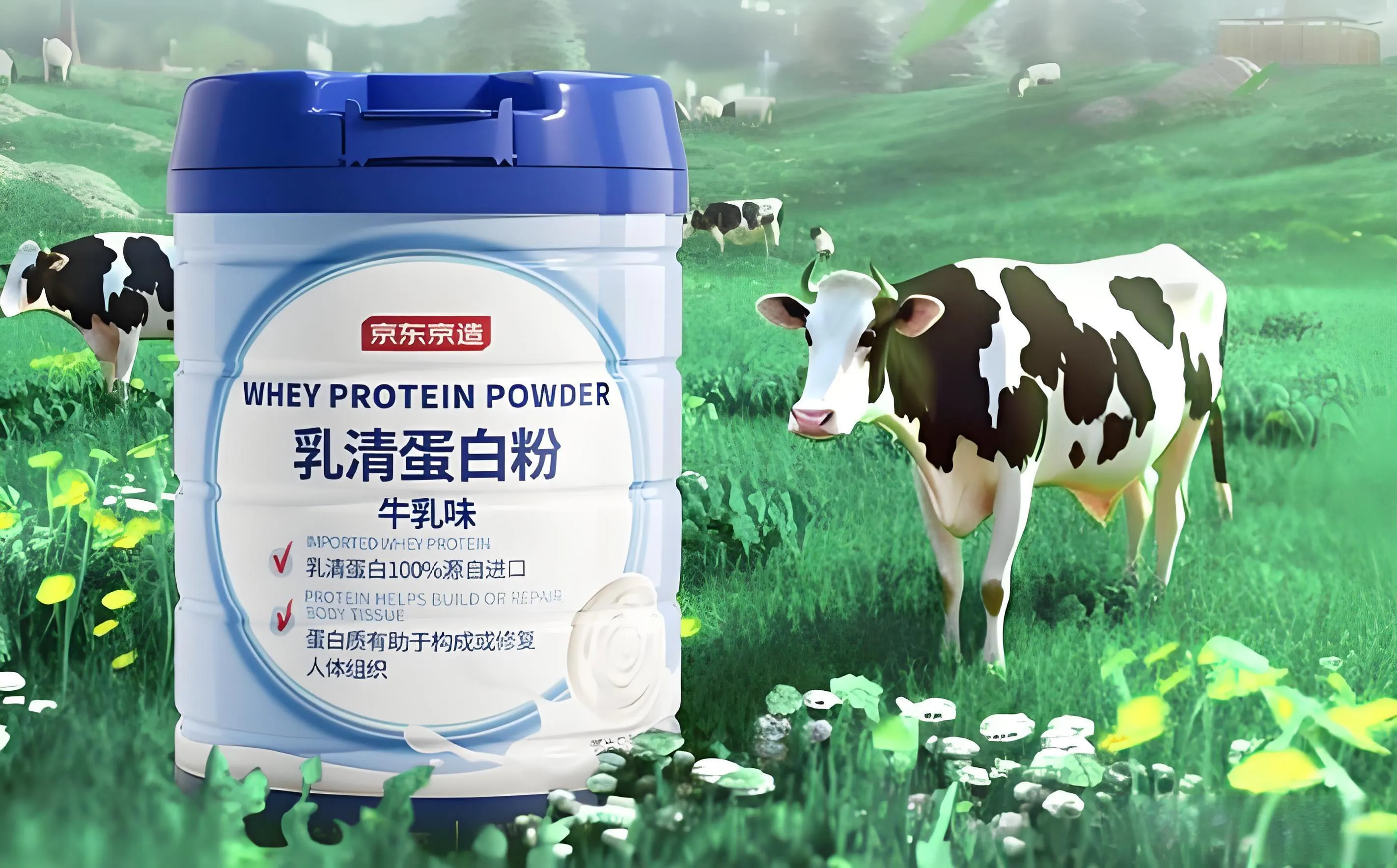
I. Core Advantages of Membrane Separation Systems Adapting to the Dairy Industry
Taking selectively permeable membranes as the core, membrane separation systems achieve molecular-level sieving of substances driven by pressure difference. Their technical characteristics are highly consistent with the needs of dairy processing, with core advantages concentrated in five dimensions:
- Low-temperature operation, no nutrient loss: Operates at room temperature (25-45℃) throughout the process, avoiding thermal denaturation and loss of heat-sensitive nutrients such as whey protein, immunoglobulin, and vitamins, and maximizing the retention of natural nutrients and activity of dairy products.
- Precise separation, controllable quality: Membrane pore size can be customized according to the molecular size of dairy components. While efficiently intercepting bacteria, somatic cells, and macromolecular impurities, it allows target components such as milk protein and lactose to fully pass through, ensuring product clarity and batch stability.
- Green energy conservation, cost reduction and efficiency improvement: The pure physical separation process does not require the addition of chemical agents or filter aids, no secondary pollution, and meets the requirements of clean production; energy consumption is only 30%-40% of traditional thermal processing technologies, significantly reducing water and electricity consumption and operating costs.
- Multi-function integration, strong adaptability: Integrating functions such as sterilization, clarification, concentration, desalination, and purification, it can adapt to the processing of multiple dairy products such as fresh milk, whey, yogurt, and infant formula milk powder, and supports full-scale configuration from laboratory pilot tests to industrial mass production.
- Compliance and safety, controllable risks: All parts in contact with materials are made of compliant materials such as 304/316L stainless steel and food-grade PVDF, meeting international standards such as GMP and FDA, avoiding chemical residue risks, and ensuring the edible safety of dairy products.
II. Core Application Scenarios of Membrane Separation Systems in the Dairy Industry
(I) Raw Milk Pretreatment: Purification and Sterilization, Laying the Foundation for Quality
Raw milk is prone to mixing with bacteria, somatic cells, dust and other impurities during milking and transportation, affecting subsequent processing and product shelf life. Membrane separation systems achieve precise pretreatment through microfiltration (MF) technology:
- Ceramic membranes or PVDF microfiltration membranes with a pore size of 0.1-1μm are used to remove more than 99.99% of bacteria, somatic cells and suspended impurities in raw milk, reducing turbidity to below 0.5 NTU.
- It replaces traditional centrifugal filtration and pasteurization pretreatment, avoids contamination of subsequent equipment by impurities, and retains the natural flavor of raw milk, laying a solid foundation for the production of high-quality dairy products.
(II) Dairy Sterilization and Fresh-keeping: Room-temperature Sterilization, Extending Shelf Life
The core cause of dairy spoilage is microbial contamination. Although traditional high-temperature sterilization can kill bacteria, it will damage nutrients and flavors. Membrane separation systems provide efficient solutions:
- Microfiltration (MF) sterilization: Microfiltration membranes with a pore size of 0.22μm can achieve absolute sterilization, removing yeasts, molds, pathogenic bacteria and other microorganisms in milk with a sterilization rate of 99.99%. It replaces pasteurization and retains the fresh taste and active ingredients of fresh milk and yogurt.
- Ultrafiltration (UF) synergistic sterilization: For probiotic dairy products, ultrafiltration membranes are used to intercept probiotic bacteria, while removing miscellaneous bacteria and small-molecular impurities. It not only ensures the sterile safety of products, but also maintains the activity of probiotics, extending the shelf life to 6-12 months.
(III) Milk Protein Concentration and Purification: High-value Utilization, Expanding Product Matrix
As a high-value by-product of dairy processing, whey protein has low extraction rate and insufficient purity in traditional processes. Membrane separation systems achieve efficient recovery and purification:
- Ultrafiltration membranes with a molecular weight cut-off of 10-50 kDa are used to precisely intercept whey protein and immunoglobulin in whey, and separate and remove small-molecular substances such as lactose and inorganic salts.
- The concentration of whey protein is increased from 0.8% to 80%-90%, and the purity compliance rate is over 98%. It can be directly used to produce high-end products such as whey protein powder, infant formula milk powder and functional dairy products, improving raw material utilization rate and product added value.
(IV) Dairy Concentration and Desalination: Optimizing Taste, Adapting to Diversified Needs
Concentration and desalination are key links in the production of special dairy products. Membrane separation systems solve many pain points of traditional evaporation concentration:
- Nanofiltration (NF) concentration: Increase lactose concentration from 4.5% to 30%-40% at room temperature for the production of condensed milk and milk powder, avoiding lactose crystallization and nutrient damage, and saving more than 50% energy.
- Desalination optimization: For high-salt dairy products or whey liquid, nanofiltration membranes are used to selectively remove 60%-80% of inorganic salts, improving product taste, reducing saltiness and bitterness, and adapting to segmented needs such as low-sodium dairy products and infant dairy products.
(V) Wastewater Treatment and Resource Recovery: Green Compliance, Circular Utilization
Dairy production wastewater contains a large amount of recyclable resources such as organic matter and milk protein. Membrane separation systems achieve a win-win situation of environmental protection and benefits:
- The ultrafiltration + reverse osmosis (RO) combined process is used to treat dairy processing wastewater, removing more than 99% of pollutants. The effluent quality meets the reuse standard and can be used for equipment flushing and green irrigation.
- Recover milk protein and lactose from wastewater as feed raw materials or food additives, improve resource utilization rate, reduce environmental treatment costs, and conform to the policy orientation of circular economy.
III. Core Value of Membrane Separation Systems Promoting the Development of the Dairy Industry
- Enhancing product competitiveness: Through nutrient retention, taste optimization and stability improvement, it helps enterprises build a high-end dairy product matrix, meets consumers' core needs for natural, nutritious and safe products, and enhances brand premium capacity.
- Reducing the whole-life cycle cost: Room-temperature operation reduces energy consumption expenses, no chemical agents reduce procurement costs, the service life of membrane modules reaches 2-3 years, and the long-term operating cost is 30%-50% lower than that of traditional processes.
- Aiding environmental compliance: Characteristics such as no secondary pollution, wastewater reuse and resource recovery help enterprises meet environmental policy requirements, reduce compliance risks, and establish a green corporate image.
- Empowering product innovation: It supports the development of segmented categories such as probiotic dairy products, high-activity whey protein products, low-sodium dairy products and infant formula milk powder, expands market space, and copes with industry homogenized competition.
IV. Industry Development Trend: Upgrade Direction of Membrane Separation Technology
In the future, the application of membrane separation systems in the dairy industry will iterate in three directions: first,anti-pollution technology upgrade, developing anti-pollution membrane materials suitable for high-viscosity and high-protein dairy products to extend the service life of membrane modules; second,intelligent integration, combining PLC control systems with online monitoring technology to realize real-time regulation of parameters such as pressure, flow rate and purity, and improve the level of production automation; third,multi-technology combination, combining with low-temperature freeze-drying, biological fermentation and other technologies to build a full-process efficient production system and further tap the value of dairy raw materials.
In summary, relying on the core advantages of nutrient retention, precise separation, energy conservation and environmental protection, membrane separation systems have upgraded from auxiliary equipment to core production equipment in the dairy industry. Whether it is the large-scale production of large dairy enterprises or the refined processing of characteristic dairy enterprises, membrane separation systems can provide customized solutions, helping the industry solve traditional pain points, realize quality upgrading and green development. In the future, they are expected to be deeply applied in more dairy product segments, injecting sustained growth momentum into the industry.

